
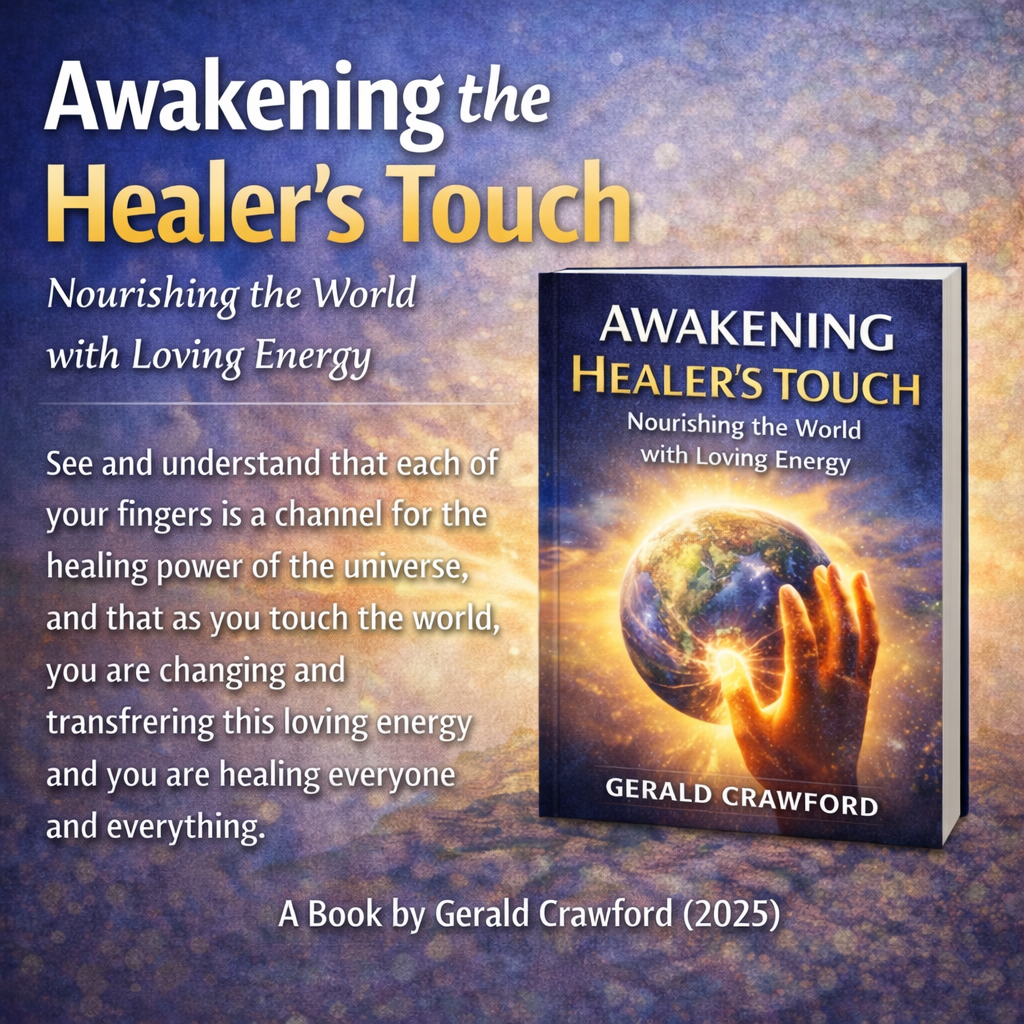
“The Healer’s Touch” is a thought-provoking topic that explores the concept of the patient’s expectations and needs in the context of healing. The title suggests a deeper look into the relationship between the healer, the patient, and the healing process.
The patient’s expectations and needs are a crucial aspect of the healing process, as they can significantly influence the outcome of the treatment. Patients may have various expectations and needs, including:
1. Relief from symptoms: Relief from symptoms, such as pain, discomfort, or distress.
2. Improved quality of life: Improved quality of life, including increased mobility, energy, and overall well-being.
3. Emotional support and comfort: Emotional support and comfort, including empathy, understanding, and reassurance.
4. Personalized care and attention: Personalized care and attention, including a tailored treatment plan and ongoing support.
5. Holistic approach to health: Holistic approach to health, including consideration of physical, emotional, and spiritual well-being.
To meet the patient’s expectations and needs, healers can:
1. Conduct thorough assessments: Conduct thorough assessments to understand the patient’s condition, expectations, and needs.
2. Develop personalized treatment plans: Develop personalized treatment plans that address the patient’s unique needs and expectations.
3. Provide emotional support and comfort: Provide emotional support and comfort, including empathy, understanding, and reassurance.
4. Foster a supportive and non-judgmental environment: Foster a supportive and non-judgmental environment, where patients feel comfortable sharing their concerns and needs.
5. Stay up-to-date with the latest research and techniques: Stay up-to-date with the latest research and techniques, to provide the most effective and evidence-based treatments.
By understanding and meeting the patient’s expectations and needs, healers can:
1. Build trust and rapport: Build trust and rapport with patients, leading to increased patient satisfaction and loyalty.
2. Improve treatment outcomes: Improve treatment outcomes, as patients are more likely to adhere to treatment plans and experience positive results.
3. Enhance patient empowerment: Enhance patient empowerment, as patients feel more informed, supported, and in control of their health and well-being.
4. Foster a sense of community and connection: Foster a sense of community and connection, as patients feel supported and connected to their healers and others who share similar experiences.
5. Promote holistic and sustainable health: Promote holistic and sustainable health, as patients are more likely to adopt healthy habits and lifestyles that support their overall well-being.
As we explore “The Healer’s Touch” and the patient’s expectations and needs, we begin to see the many ways in which healers can provide compassionate, personalized, and effective care. By prioritizing the patient’s expectations and needs, healers can create a supportive and empowering environment that fosters healing, growth, and transformation.



Leave a Reply