
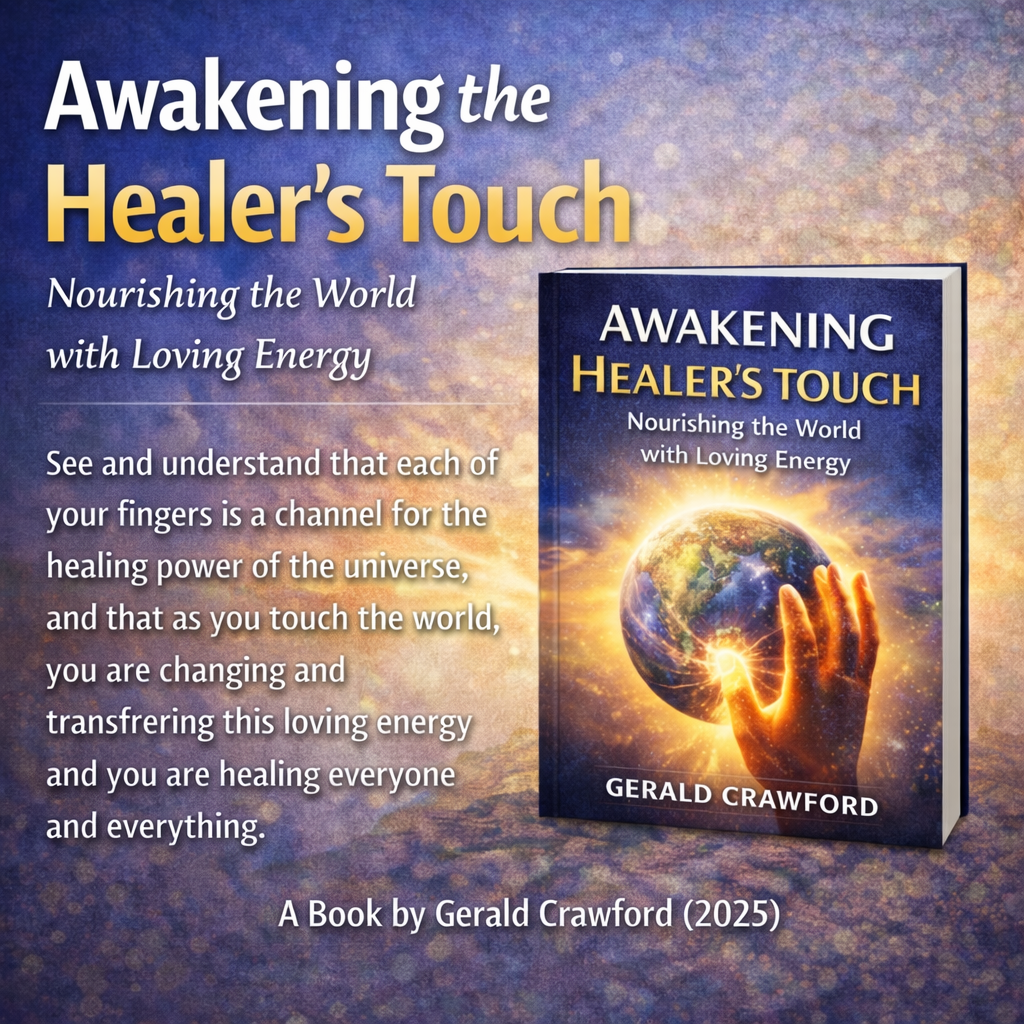
See and understand that each of your finger is a channel for the healing power of the universe, and that as you touch the world, you are changing and transferring this loving energy and you are healing everyone and everything.

Category: Compassion

Why is Non-judgement, Patience and Compassion so important when being a healer?

As a healer, embodying non-judgment, patience, and compassion is essential for creating a safe, supportive, and effective healing environment.

Here’s why:

1. Non-judgment: When you approach a client or patient without judgment, you create a space where they feel comfortable sharing their stories, emotions, and experiences. Non-judgment allows you to see the person beyond their condition, diagnosis, or circumstances, and to understand their unique perspective.

This helps you to:

* Build trust and rapport

* Avoid making assumptions or jumping to conclusions

* Focus on the individual’s strengths and resilience

* Develop a more nuanced and empathetic understanding of their situation

2. Patience: Patience is a vital quality for healers, as it allows you to:

* Take the time to truly listen to and understand the individual’s concerns

* Avoid rushing to diagnoses or solutions

* Create a sense of calm and stability, which can be incredibly soothing for those who are struggling

* Empower the individual to take an active role in their healing process

* Foster a deeper understanding of the complex, often non-linear nature of healing

3. Compassion: Compassion is the foundation of healing, as it acknowledges the individual’s suffering and offers kindness, empathy, and understanding. Compassion:

* Creates a sense of safety and trust, allowing the individual to open up and share their vulnerabilities

* Helps you to understand the emotional and psychological aspects of the individual’s experience

* Encourages a holistic approach to healing, considering the interconnectedness of body, mind, and spirit

* Fosters a sense of connection and community, which is essential for healing and growth

By embodying non-judgment, patience, and compassion, you can:

* Create a supportive and nurturing environment that promotes healing and growth

* Develop a deeper understanding of the individual’s unique needs and circumstances

* Foster a sense of trust, safety, and empowerment

* Encourage the individual to take an active role in their healing process

* Cultivate a more holistic and integrative approach to healing, addressing the physical, emotional, and spiritual aspects of the individual’s experience.

Remember, these qualities are not only essential for the healing process but also for your own personal growth and well-being as a healer. By embracing non-judgment, patience, and compassion, you can create a more positive, supportive, and transformative experience for both yourself and those you serve.

The Healing Power of Compassion

Compassion is a profound and transformative force that has the power to heal emotional, physical, and spiritual wounds. It is a fundamental aspect of human connection, and its impact can be felt on a personal, social, and global level.

What is Compassion?

Compassion is the ability to feel and share the feelings of others, particularly in times of suffering, hardship, or difficulty. It is a natural and spontaneous response to the pain and struggles of others, and it is characterized by a deep sense of empathy, kindness, and understanding.

The Healing Power of Compassion

Compassion has a profound impact on both the giver and the receiver. When we offer compassion to others, we create a safe and supportive environment that allows them to feel heard, seen, and understood. This, in turn, can have a powerful healing effect on their emotional and psychological well-being.

Some of the ways that compassion can heal include:

1. Reducing stress and anxiety: Compassion can help to calm the mind and body, reducing stress and anxiety by promoting feelings of relaxation and well-being.

2. Promoting emotional healing: Compassion can help to heal emotional wounds by acknowledging and validating the feelings and experiences of others.

3. Building resilience: Compassion can help to build resilience by providing a sense of support and connection that can help us navigate difficult times.

4. Improving relationships: Compassion can help to improve relationships by promoting empathy, understanding, and connection with others.

5. Increasing self-awareness: Compassion can help to increase self-awareness by encouraging us to reflect on our own thoughts, feelings, and behaviors.

The Science of Compassion

Research has shown that compassion has a number of physical and psychological benefits, including:

1. Reducing inflammation: Studies have shown that compassion can reduce inflammation, which is associated with a range of chronic diseases, including heart disease and cancer.

2. Lowering blood pressure: Compassion has been shown to lower blood pressure, which can help to reduce the risk of heart disease and stroke.

3. Increasing oxytocin: Compassion can increase oxytocin, often referred to as the “cuddle hormone,” which promotes feelings of relaxation and well-being.

4. Reducing symptoms of depression and anxiety: Compassion has been shown to reduce symptoms of depression and anxiety, and can be an effective adjunct to traditional treatments.

Cultivating Compassion

Cultivating compassion is a skill that can be developed with practice, and there are a number of ways to do so, including:

1. Mindfulness and meditation: Practicing mindfulness and meditation can help to increase compassion by promoting feelings of calm and well-being.

2. Emotional intelligence: Developing emotional intelligence can help to increase compassion by improving our ability to recognize and understand the emotions of others.

3. Empathy and active listening: Practicing empathy and active listening can help to increase compassion by promoting a deeper understanding of the experiences and feelings of others.

4. Self-compassion: Practicing self-compassion can help to increase compassion by promoting a greater sense of kindness and understanding towards ourselves.

In conclusion, compassion is a powerful force that has the ability to heal emotional, physical, and spiritual wounds. By cultivating compassion, we can create a more supportive and nurturing environment that promotes well-being, resilience, and connection.

Step-up and get your seat on my VIP Awakening the Healer's Touch Mentorship Program for 2026

X
Back a Buddy Show your Support