
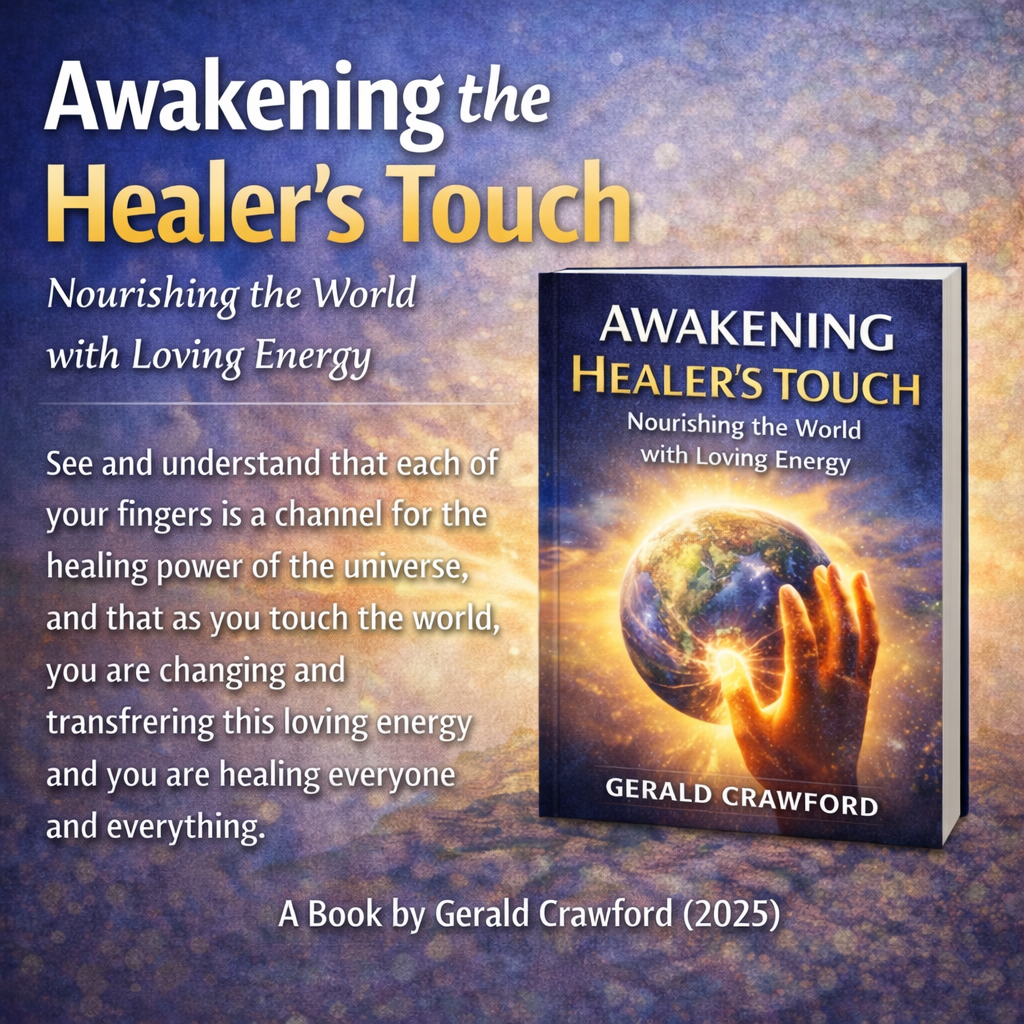
“The Healer’s Touch” is a thought-provoking topic that explores the concept of the impact of the healer’s touch on emotional well-being. The title suggests a deeper look into the relationship between the healer, the patient, and the emotional dimensions of the healing process.
The healer’s touch can have a profound impact on emotional well-being, as it can:
1. Reduce stress and anxiety: Reduce stress and anxiety, as the touch can stimulate the parasympathetic nervous system and promote relaxation.
2. Improve mood and emotional regulation: Improve mood and emotional regulation, as the touch can stimulate the release of neurotransmitters such as serotonin and dopamine.
3. Enhance feelings of comfort and safety: Enhance feelings of comfort and safety, as the touch can create a sense of trust and connection between the healer and the patient.
4. Foster a sense of empathy and understanding: Foster a sense of empathy and understanding, as the touch can create a sense of shared humanity and compassion between the healer and the patient.
5. Promote emotional healing and closure: Promote emotional healing and closure, as the touch can help patients to process and release emotional trauma and pain.
The mechanisms by which the healer’s touch affects emotional well-being are complex and multifaceted, and may involve:
1. Stimulation of the brain’s emotional centers: Stimulation of the brain’s emotional centers, such as the amygdala and the prefrontal cortex, which can affect mood, emotional regulation, and emotional well-being.
2. Release of neurotransmitters and hormones: Release of neurotransmitters and hormones, such as oxytocin, dopamine, and serotonin, which can affect mood, emotional regulation, and emotional well-being.
3. Activation of the parasympathetic nervous system: Activation of the parasympathetic nervous system, which can promote relaxation, reduce stress, and enhance emotional well-being.
4. Modulation of the immune system: Modulation of the immune system, which can affect inflammation, healing, and emotional well-being.
5. Psychological and emotional factors: Psychological and emotional factors, such as the patient’s expectations, beliefs, and emotional state, which can influence the effectiveness of the healer’s touch and emotional well-being.
To optimize the impact of the healer’s touch on emotional well-being, healers can:
1. Use evidence-based touch therapies: Use evidence-based touch therapies, such as massage, acupuncture, or manual therapy, which have been shown to be effective in reducing stress and anxiety and improving mood.
2. Tailor the touch to the individual: Tailor the touch to the individual, taking into account their unique needs, preferences, and experiences.
3. Create a supportive and empathetic environment: Create a supportive and empathetic environment, which can foster a sense of trust and connection between the healer and the patient.
4. Encourage emotional expression and release: Encourage emotional expression and release, as this can help patients to process and heal from emotional trauma and pain.
5. Monitor and adjust the touch: Monitor and adjust the touch, as needed, to ensure that it is comfortable, effective, and tailored to the individual’s needs.
As we explore “The Healer’s Touch” and the impact on emotional well-being, we begin to see the many ways in which the healer’s touch can influence emotional well-being and promote overall health. By incorporating touch therapies and other evidence-based approaches, healers can help patients to manage stress and anxiety, improve mood, and enhance their overall quality of life.



Leave a Reply