
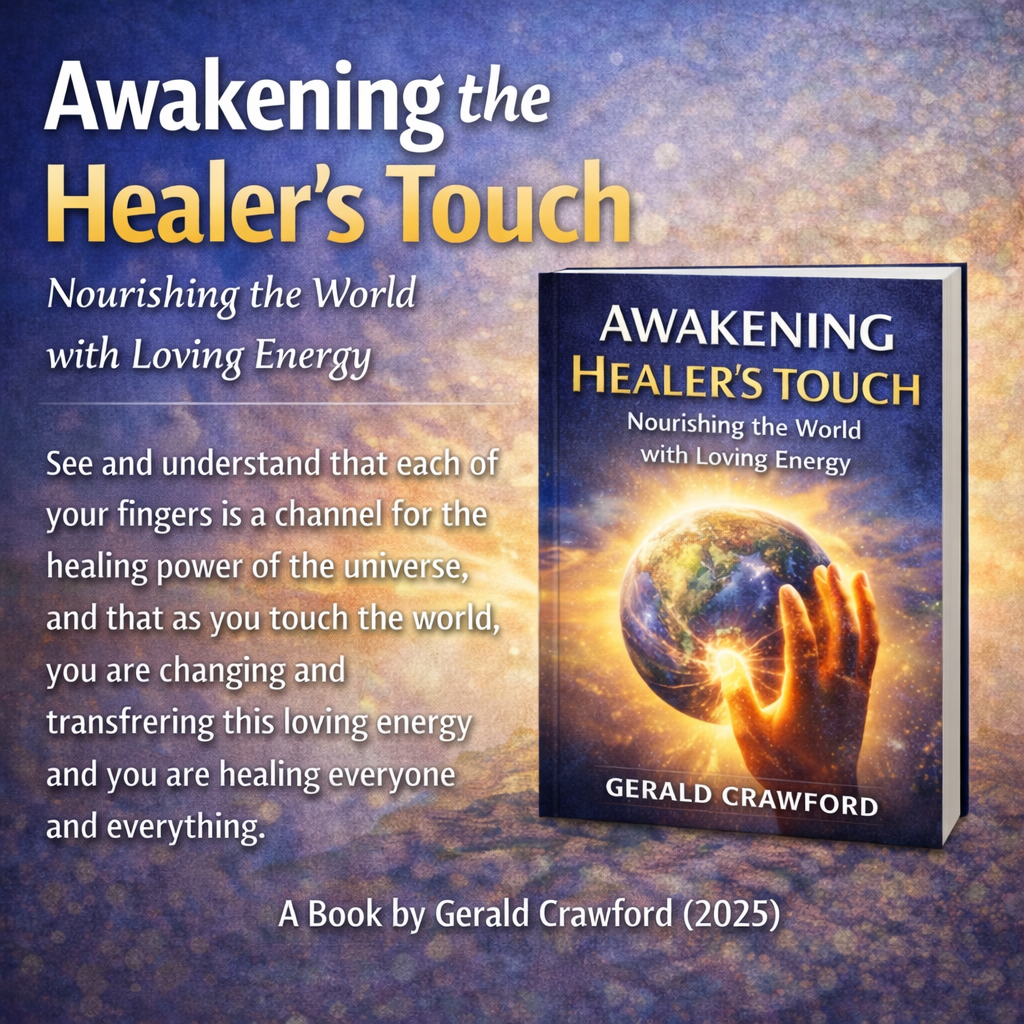
“The Healer’s Touch” is a thought-provoking topic that explores the concept of the healing environment in the context of healing. The title suggests a deeper look into the relationship between the healer, the patient, and the environment in which the healing takes place.
The healing environment refers to the physical and emotional space in which the healing process occurs. This environment can have a profound impact on the patient’s experience, influencing their emotional state, comfort level, and overall well-being. A healing environment that is supportive, calming, and nurturing can:
1. Reduce anxiety and stress: A healing environment that is peaceful and calming can help reduce anxiety and stress, creating a sense of relaxation and tranquility.
2. Promote emotional healing: A healing environment that is supportive and empathetic can promote emotional healing, allowing patients to process and release their emotions in a safe and supportive space.
3. Enhance the healing process: A healing environment that is conducive to healing can enhance the healing process, as the patient feels more comfortable, relaxed, and receptive to the healing energies.
4. Foster a sense of connection: A healing environment that is warm and welcoming can foster a sense of connection between the healer, the patient, and the environment, creating a sense of community and shared experience.
The healing environment is influenced by several factors, including:
1. The physical space: The physical space in which the healing takes place can impact the patient’s experience, as a clean, comfortable, and well-organized space can create a sense of calm and relaxation.
2. The healer’s energy and intention: The healer’s energy and intention can shape the healing environment, as a healer who is calm, centered, and focused can create a sense of peace and tranquility.
3. The patient’s needs and preferences: The patient’s needs and preferences can influence the healing environment, as a healer who is sensitive to the patient’s requirements can create a space that is tailored to their unique needs.
4. The use of sensory elements: The use of sensory elements, such as music, aromatherapy, or natural light, can impact the healing environment, as these elements can create a sense of calm, relaxation, and well-being.
By creating a healing environment that is supportive, calming, and nurturing, healers can promote optimal well-being and growth for their patients. This concept can be applied in various ways, including:
1. Designing a peaceful and calming space: Healers can design a peaceful and calming space, using elements such as soothing colors, comfortable seating, and natural textures to create a sense of relaxation.
2. Using sensory elements to create a supportive atmosphere: Healers can use sensory elements, such as music, aromatherapy, or natural light, to create a supportive atmosphere that promotes relaxation and well-being.
3. Incorporating nature and natural elements: Healers can incorporate nature and natural elements, such as plants, flowers, or water features, to create a sense of connection to the natural world and promote healing.
4. Fostering a sense of community and connection: Healers can foster a sense of community and connection, creating a space that feels welcoming, inclusive, and supportive of the patient’s healing journey.
As we explore “The Healer’s Touch” and the healing environment, we begin to see the many ways in which this space can shape the healing experience. By creating a healing environment that is supportive, calming, and nurturing, healers can promote optimal well-being and growth for their patients.



Recent Comments