
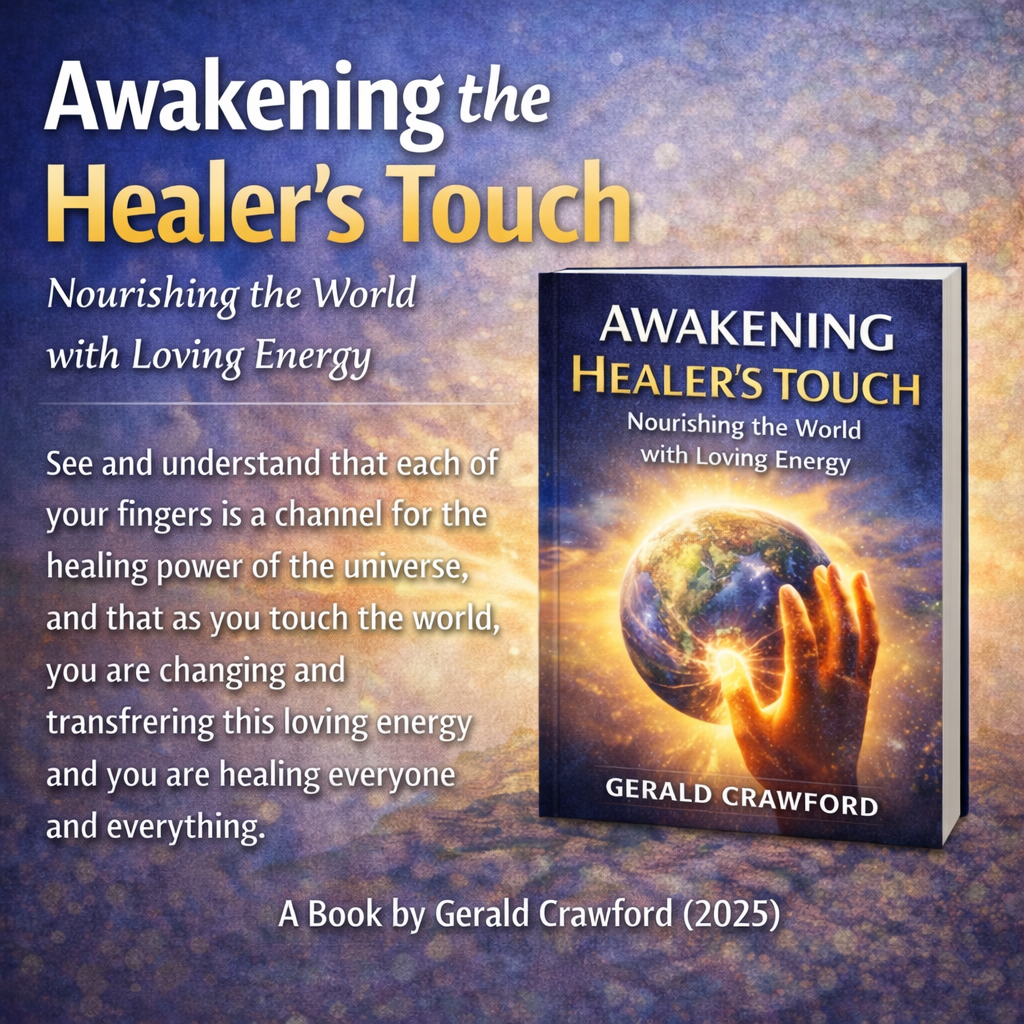
“The Healer’s Touch” is a thought-provoking topic that explores the concept of the healer’s self-awareness and reflection in the context of healing. The title suggests a deeper look into the relationship between the healer, the patient, and the healing process.
The healer’s self-awareness and reflection are crucial aspects of the healing process, as they can significantly influence the outcome of the treatment. Healers who are self-aware and reflective are better able to:
1. Recognize their own biases and limitations: Recognize their own biases and limitations, and to set them aside in order to provide more effective and empathetic care.
2. Develop a growth mindset: Develop a growth mindset, being open to new ideas, techniques, and perspectives, and to continuously learn and improve their skills.
3. Cultivate emotional intelligence: Cultivate emotional intelligence, including self-awareness, empathy, and social skills, in order to better understand and connect with their patients.
4. Maintain healthy boundaries: Maintain healthy boundaries, including setting limits and prioritizing self-care, in order to prevent burnout and maintain their own well-being.
5. Practice self-compassion and self-forgiveness: Practice self-compassion and self-forgiveness, being kind and understanding towards themselves, and to recognize that they are human and imperfect.
To cultivate self-awareness and reflection, healers can:
1. Engage in regular self-reflection and journaling: Engage in regular self-reflection and journaling, to explore their thoughts, feelings, and experiences, and to identify areas for growth and improvement.
2. Seek feedback and supervision: Seek feedback and supervision, from colleagues, mentors, or supervisors, to gain new insights and perspectives, and to develop their skills and abilities.
3. Prioritize self-care and self-compassion: Prioritize self-care and self-compassion, including taking time for rest, relaxation, and rejuvenation, and to practice self-kindness and understanding.
4. Develop a mindfulness practice: Develop a mindfulness practice, including meditation, deep breathing, or yoga, to cultivate greater awareness and presence, and to reduce stress and anxiety.
5. Stay up-to-date with the latest research and best practices: Stay up-to-date with the latest research and best practices, to continuously learn and improve their skills, and to provide the most effective and evidence-based care.
By cultivating self-awareness and reflection, healers can:
1. Improve their relationships with patients: Improve their relationships with patients, by being more empathetic, understanding, and compassionate.
2. Enhance their clinical skills and abilities: Enhance their clinical skills and abilities, by being more aware of their own biases and limitations, and by being more open to new ideas and perspectives.
3. Maintain their own well-being and resilience: Maintain their own well-being and resilience, by prioritizing self-care, self-compassion, and self-awareness.
4. Foster a culture of safety and respect: Foster a culture of safety and respect, by being more aware of their own biases and limitations, and by being more empathetic and understanding towards their patients.
5. Continuously learn and grow: Continuously learn and grow, by being open to new ideas and perspectives, and by prioritizing self-reflection and self-awareness.
As we explore “The Healer’s Touch” and the healer’s self-awareness and reflection, we begin to see the many ways in which self-awareness and reflection can enhance the healing process, and promote greater empathy, understanding, and compassion. By prioritizing self-awareness and reflection, healers can provide more effective and compassionate care, and can maintain their own well-being and resilience.



Recent Comments