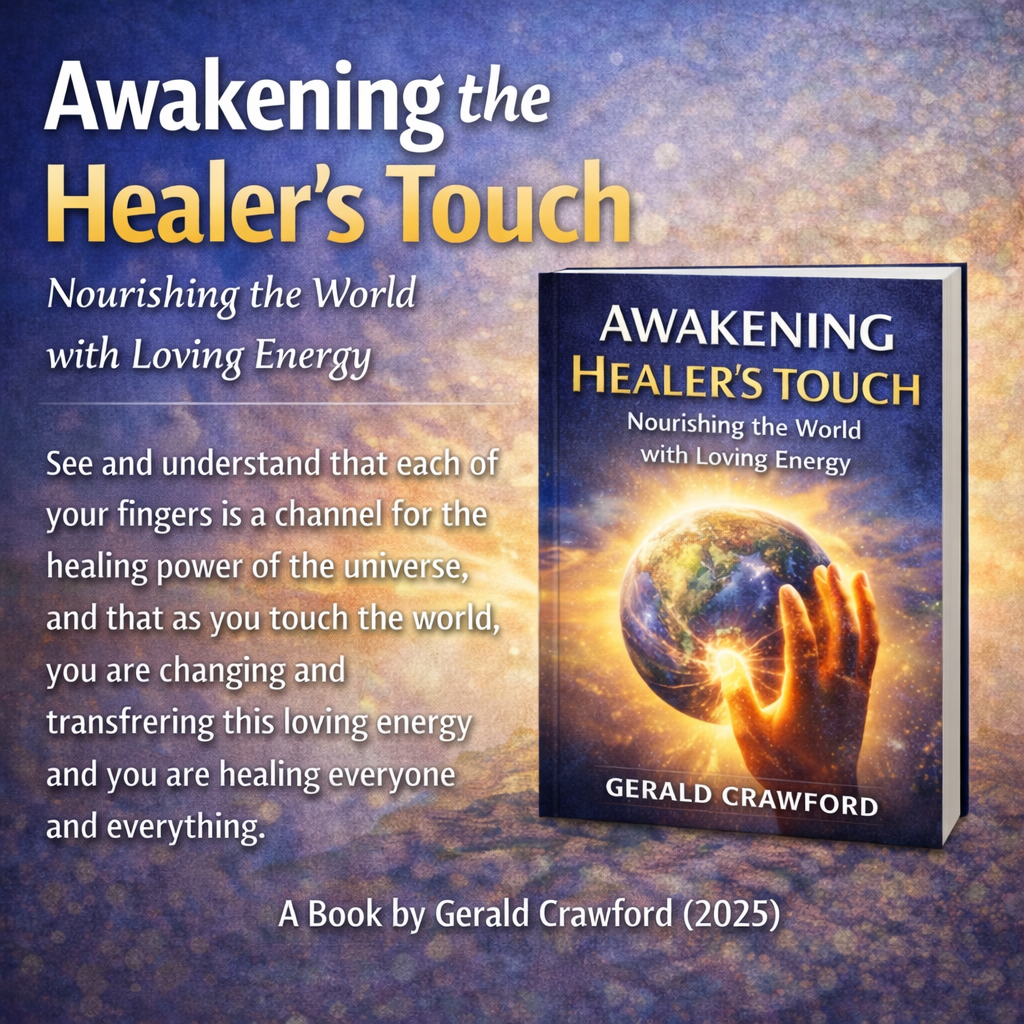
See and understand that each of your finger is a channel for the healing power of the universe, and that as you touch the world, you are changing and transferring this loving energy and you are healing everyone and everything.

Tag: self-care (Page 1 of 2)

Grounded Exercise for Self-healing

Grounding exercises, also known as earthing, can be a powerful tool for self-healing. The concept of grounding involves connecting with the Earth’s energy to promote physical, emotional, and spiritual well-being.

Here’s a simple grounding exercise you can try:

Basic Grounding Exercise:

1. Find a quiet and comfortable space: Sit or lie down in a comfortable position, either indoors or outdoors, where you can relax without distractions.

2. Remove your shoes: Direct contact with the Earth is essential for grounding. If you’re indoors, you can use a grounding mat or sheet, but if you’re outdoors, remove your shoes and socks to make direct contact with the ground.

3. Focus on your breath: Close your eyes and take slow, deep breaths, feeling the air move in and out of your body. As you inhale, imagine fresh energy entering your body, and as you exhale, imagine any stress or tension leaving your body.

4. Imagine roots growing from your body: Visualize roots growing from the base of your spine, deep into the Earth. Imagine these roots spreading out, anchoring you to the ground, and connecting you to the Earth’s energy.

5. Sense the Earth’s energy: As you breathe, imagine the Earth’s energy flowing into your body through the roots. Feel the energy as a warm, comforting sensation, like a gentle hum or vibration.

6. Bring your attention to your body: As you continue to breathe, bring your attention to any areas of tension or discomfort in your body. Imagine the Earth’s energy flowing into these areas, soothing and calming them.

7. Stay grounded for a while: Remain in this state for at least 10-15 minutes, allowing yourself to fully connect with the Earth’s energy and calm your mind and body.

Variations and Tips:

Use visualization techniques: Imagine a warm, golden light filling your body, or picture a peaceful, natural scene, like a forest or a beach, to enhance your grounding experience.

Practice mindfulness: Pay attention to your thoughts, emotions, and physical sensations, and gently acknowledge them without judgment.

Incorporate physical activity: Try grounding while engaging in physical activities like walking, yoga, or tai chi to enhance your connection with the Earth.

Use grounding tools: Experiment with grounding mats, sheets, or bands, which can help you stay connected to the Earth’s energy even when you’re indoors.

Benefits of Grounding:

Reduces stress and anxiety: Grounding can help calm the mind and body, reducing feelings of stress and anxiety.

Improves sleep: Grounding can help regulate your sleep patterns and improve the quality of your sleep.

Enhances physical well-being: Grounding can help reduce inflammation, improve circulation, and boost your immune system.

Supports emotional healing: Grounding can help you process and release emotions, promoting emotional balance and well-being.

Remember, grounding is a personal and subjective experience. Experiment with different techniques and find what works best for you. With regular practice, you can cultivate a deeper connection with the Earth and promote self-healing and well-being.


What Self-care practices do I need to prioritize as a healer to nourish my mind, body, and spirit?

As a healer, it’s essential to prioritize self-care practices that nourish your mind, body, and spirit. Here are some practices to consider:

Mind:

1. Meditation: Regular meditation helps calm the mind, reduce stress, and increase focus. Even 10-15 minutes a day can be beneficial.

2. Journaling: Reflecting on your thoughts, feelings, and experiences through journaling can help you process your emotions and gain insight into your mind.

3. Reading: Reading books, articles, or online resources on topics that interest you can help expand your knowledge and stimulate your mind.

4. Learning: Engage in ongoing education and training to stay updated on the latest healing practices and techniques.

5. Grounding techniques: Practice grounding techniques, such as deep breathing, progressive muscle relaxation, or visualization, to help manage stress and anxiety.

Body:

1. Exercise: Regular physical activity, such as yoga, walking, or dancing, can help reduce stress, improve mood, and increase energy.

2. Healthy eating: Focus on consuming whole, nutrient-dense foods that promote energy and vitality.

3. Sleep: Prioritize getting 7-8 hours of sleep each night to help your body and mind recharge.

4. Self-care rituals: Engage in self-care rituals, such as taking a warm bath, getting a massage, or practicing yoga, to help relax and rejuvenate your body.

5. Bodywork: Consider receiving regular bodywork, such as massage or acupuncture, to help release tension and promote relaxation.

Spirit:

1. Connection with nature: Spend time in nature, whether walking, hiking, or simply sitting in a park or garden, to help you feel grounded and connected to the natural world.

2. Meditation and prayer: Engage in meditation and prayer practices that help you connect with a higher power or your own inner wisdom.

3. Energy work: Consider practicing energy work, such as Reiki or qigong, to help balance and align your energy.

4. Creative expression: Engage in creative activities, such as painting, drawing, or writing, to help express your emotions and connect with your inner self.

5. Community: Surround yourself with a supportive community of like-minded individuals who share your values and passions.

Additional Tips:

1. Schedule self-care: Treat self-care as a non-negotiable part of your daily or weekly routine.

2. Listen to your body: Pay attention to your physical and emotional needs, and take rest when needed.

3. Set boundaries: Establish clear boundaries with clients, colleagues, and loved ones to protect your time and energy.

4. Practice self-compassion: Treat yourself with kindness, understanding, and patience, just as you would a close friend.

5. Seek support: Surround yourself with a supportive network of peers, mentors, or friends who understand the challenges and rewards of being a healer.

By prioritizing these self-care practices, you’ll be better equipped to nourish your mind, body, and spirit, and maintain your energy and well-being as a healer.

Preparation for the Healer’s Touch: Integrating Self-Care, Self-Compassion, and Self-Awareness

As we conclude our exploration of preparing the Healer’s Touch, let’s integrate the essential elements of self-care, self-compassion, and self-awareness. By combining these practices, you’ll become a more effective, compassionate, and resilient healer, equipped to navigate the challenges and opportunities of the healing journey.

Integrating Self-Care:

1. Prioritize Self-Care: Make self-care a non-negotiable part of your daily routine, just like brushing your teeth or taking a shower.

2. Self-Care Rituals: Develop personal self-care rituals, such as meditation, journaling, or spending time in nature, to nurture your body, mind, and spirit.

3. Healthy Boundaries: Establish healthy boundaries to protect your time, energy, and emotional well-being, ensuring you have the resources to care for yourself and others.

4. Self-Care Community: Surround yourself with a supportive community that encourages and models self-care, providing a network of care and connection.

Integrating Self-Compassion:

1. Practice Self-Kindness: Treat yourself with the same kindness, care, and compassion you would offer to a close friend, acknowledging your imperfections and limitations.

2. Reframe Self-Criticism: Challenge negative self-talk and reframe self-criticism, replacing it with gentle, encouraging, and supportive language.

3. Emotional Acceptance: Practice emotional acceptance, allowing yourself to feel and process your emotions, rather than suppressing or denying them.

4. Compassionate Self-Reflection: Engage in compassionate self-reflection, exploring your thoughts, feelings, and behaviors with kindness, understanding, and patience.

Integrating Self-Awareness:

1. Mindfulness Practice: Establish a regular mindfulness practice, such as meditation or deep breathing, to cultivate greater awareness of your thoughts, emotions, and physical sensations.

2. Self-Inquiry: Regularly engage in self-inquiry, asking yourself questions like “What am I feeling?”, “What am I thinking?”, and “What am I needing?” to deepen your understanding of yourself.

3. Emotional Intelligence: Develop emotional intelligence by recognizing and labeling your emotions, as well as understanding the emotional landscapes of those around you.

4. Personal Growth: Prioritize personal growth, seeking out new experiences, learning opportunities, and challenges to expand your knowledge, skills, and self-awareness.

The Healer’s Touch:

1. Embodied Presence: Cultivate an embodied presence, integrating your physical, emotional, and spiritual selves to create a sense of wholeness and coherence.

2. Compassionate Connection: Establish a compassionate connection with yourself and others, recognizing the inherent worth, dignity, and interconnectedness of all beings.

3. Empathic Understanding: Develop empathic understanding, seeking to comprehend the experiences, perspectives, and emotions of those you’re working with.

4. Trauma-Informed Care: Provide trauma-informed care, acknowledging the potential presence of trauma and creating a safe, supportive, and non-judgmental environment for healing.

By integrating self-care, self-compassion, and self-awareness, you’ll become a more effective, compassionate, and resilient healer, equipped to navigate the complexities of the healing journey. Remember, the Healer’s Touch is a journey, not a destination, and it requires ongoing commitment, practice, and self-reflection to deepen your skills and Presence.

This article is written to promote and support:

Awakening the Healer’s Touch: Nourishing the World with Loving Energy – A Book by Gerald Crawford (2025)

See and understand that each of your finger is a channel for the healing power of the universe, and that as you touch the world, you are changing and transferring this loving energy and you are healing everyone and everything.

Please have a look at:

Self-Care: Nourishing the Body, Mind, and Spirit

Self-care is a vital aspect of preparing the Healer’s Touch. Nourishing the body, mind, and spirit is essential to maintaining a healthy, balanced, and compassionate presence.

Here’s a more detailed exploration of self-care practices for each aspect:

Nourishing the Body:

1. Healthy Eating: Focus on whole, nutrient-dense foods like fruits, vegetables, whole grains, lean proteins, and healthy fats.

2. Hydration: Drink plenty of water throughout the day, aiming for at least 8 cups (64 ounces) daily.

3. Exercise: Engage in regular physical activity, such as walking, yoga, or other exercises that bring you joy and help you feel energized.

4. Sleep: Prioritize 7-9 hours of sleep each night to help your body and mind recharge.

5. Bodywork: Treat yourself to massages, acupuncture, or other bodywork therapies to release tension and promote relaxation.

6. Mind work: Take responsibility of what you watch, what you listen to, who you spend your time with and what you read.

Nourishing the Mind:

1. Meditation: Practice mindfulness meditation, guided meditation, or other forms of meditation to calm the mind and reduce stress.

2. Journaling: Write down your thoughts, feelings, and reflections to process your emotions and gain clarity.

3. Reading: Engage with books, articles, or other written materials that inspire, educate, and nourish your mind.

4. Creative Expression: Explore creative activities like painting, drawing, writing, or playing music to express yourself and tap into your imagination.

5. Social Connection: Nurture relationships with loved ones, friends, and community to feel supported and connected.

Nourishing the Spirit:

1. Nature Connection: Spend time in nature, whether it’s walking, hiking, or simply sitting outside, to feel a sense of awe and connection to the natural world.

2. Spiritual Practice: Engage in spiritual practices like prayer, chanting, or yoga to cultivate a sense of inner peace and connection to something greater than yourself.

3. Gratitude Practice: Reflect on the things you’re grateful for each day, no matter how small they may seem, to cultivate a positive and appreciative mindset.

4. Personal Growth: Engage in activities that promote personal growth, such as learning new skills, setting goals, or seeking out new challenges.

5. Self-Reflection: Regularly take time to reflect on your values, intentions, and actions to ensure alignment with your spiritual goals and aspirations.

By incorporating these self-care practices into your daily life, you’ll be better equipped to nourish your body, mind, and spirit, ultimately preparing yourself for the Healer’s Touch and allowing you to offer more compassionate and effective healing to others.

Healing the Self – Discussion of the importance of self-healing and self-care in the Healer’s Touch

“Healing the Self” is a crucial concept in the context of the Healer’s Touch, as it emphasizes the importance of self-healing and self-care for individuals, particularly those in the healing professions. The idea is that in order to effectively heal others, one must first heal and care for themselves.

The Importance of Self-Healing

Self-healing is the process of acknowledging and addressing one’s own physical, emotional, and spiritual wounds. It involves taking responsibility for one’s own well-being and making conscious choices to nurture and care for oneself. By doing so, individuals can:

1. Release emotional baggage: Unresolved emotional issues can weigh heavily on a person, affecting their ability to heal others. Self-healing allows individuals to confront and release these emotions, freeing them to focus on their healing work.

2. Develop emotional resilience: Self-healing helps individuals develop emotional resilience, enabling them to better cope with the stresses and challenges of their healing work.

3. Improve their own health: By prioritizing self-care, individuals can improve their physical, emotional, and spiritual health, which is essential for maintaining the energy and vitality needed to heal others.

The Importance of Self-Care

Self-care is an essential aspect of self-healing, as it involves intentionally taking care of one’s physical, emotional, and spiritual needs. Self-care practices can include:

1. Mindfulness and meditation: Regular mindfulness and meditation practices can help individuals cultivate inner peace, calmness, and clarity, essential for effective healing work.

2. Physical self-care: Engaging in regular exercise, healthy eating, and sufficient sleep can help maintain physical energy and vitality.

3. Boundary setting: Establishing and maintaining healthy boundaries is crucial for self-care, as it helps individuals protect their time, energy, and emotional well-being.

4. Creative expression: Engaging in creative activities, such as art, music, or writing, can provide an outlet for emotions and foster a sense of joy and fulfillment.

The Healer’s Touch

In the context of the Healer’s Touch, self-healing and self-care are essential for several reasons:

1. Compassion fatigue: Healers are often exposed to the suffering and pain of others, which can lead to compassion fatigue. Self-healing and self-care help mitigate this risk.

2. Energetic sustainability: Healers need to maintain their own energetic sustainability to effectively heal others. Self-care practices help replenish and balance their energy.

3. Authenticity and integrity: By prioritizing self-healing and self-care, healers can embody the principles of their work, demonstrating authenticity and integrity in their practice.

In conclusion, “Healing the Self” is a vital aspect of the Healer’s Touch, as it recognizes the importance of self-healing and self-care in maintaining the physical, emotional, and spiritual well-being of healers. By prioritizing self-care and self-healing, individuals can become more effective, compassionate, and resilient healers, better equipped to serve others and make a positive impact in the world.

« Older posts
Back a Buddy Show your Support