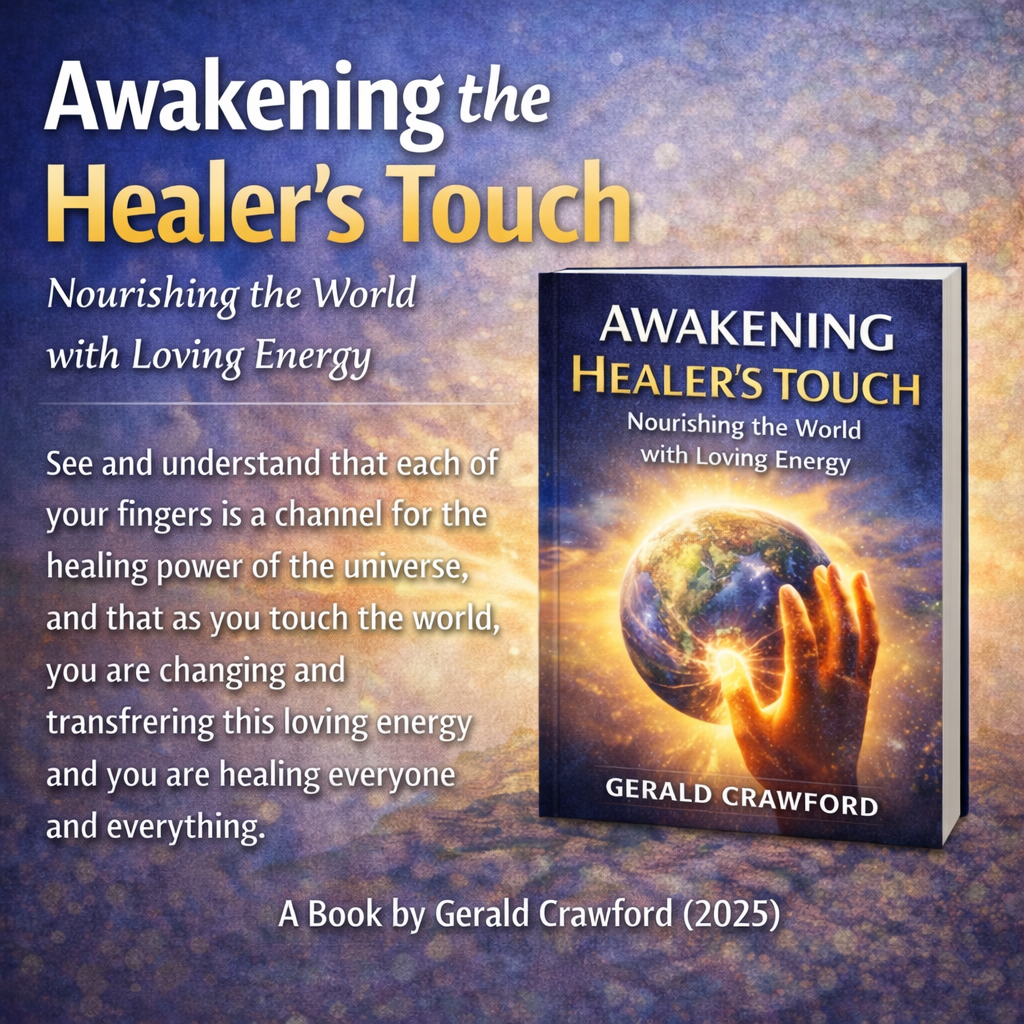
See and understand that each of your finger is a channel for the healing power of the universe, and that as you touch the world, you are changing and transferring this loving energy and you are healing everyone and everything.

Tag: self-awareness

Preparation for the Healer’s Touch: Integrating Self-Care, Self-Compassion, and Self-Awareness

As we conclude our exploration of preparing the Healer’s Touch, let’s integrate the essential elements of self-care, self-compassion, and self-awareness. By combining these practices, you’ll become a more effective, compassionate, and resilient healer, equipped to navigate the challenges and opportunities of the healing journey.

Integrating Self-Care:

1. Prioritize Self-Care: Make self-care a non-negotiable part of your daily routine, just like brushing your teeth or taking a shower.

2. Self-Care Rituals: Develop personal self-care rituals, such as meditation, journaling, or spending time in nature, to nurture your body, mind, and spirit.

3. Healthy Boundaries: Establish healthy boundaries to protect your time, energy, and emotional well-being, ensuring you have the resources to care for yourself and others.

4. Self-Care Community: Surround yourself with a supportive community that encourages and models self-care, providing a network of care and connection.

Integrating Self-Compassion:

1. Practice Self-Kindness: Treat yourself with the same kindness, care, and compassion you would offer to a close friend, acknowledging your imperfections and limitations.

2. Reframe Self-Criticism: Challenge negative self-talk and reframe self-criticism, replacing it with gentle, encouraging, and supportive language.

3. Emotional Acceptance: Practice emotional acceptance, allowing yourself to feel and process your emotions, rather than suppressing or denying them.

4. Compassionate Self-Reflection: Engage in compassionate self-reflection, exploring your thoughts, feelings, and behaviors with kindness, understanding, and patience.

Integrating Self-Awareness:

1. Mindfulness Practice: Establish a regular mindfulness practice, such as meditation or deep breathing, to cultivate greater awareness of your thoughts, emotions, and physical sensations.

2. Self-Inquiry: Regularly engage in self-inquiry, asking yourself questions like “What am I feeling?”, “What am I thinking?”, and “What am I needing?” to deepen your understanding of yourself.

3. Emotional Intelligence: Develop emotional intelligence by recognizing and labeling your emotions, as well as understanding the emotional landscapes of those around you.

4. Personal Growth: Prioritize personal growth, seeking out new experiences, learning opportunities, and challenges to expand your knowledge, skills, and self-awareness.

The Healer’s Touch:

1. Embodied Presence: Cultivate an embodied presence, integrating your physical, emotional, and spiritual selves to create a sense of wholeness and coherence.

2. Compassionate Connection: Establish a compassionate connection with yourself and others, recognizing the inherent worth, dignity, and interconnectedness of all beings.

3. Empathic Understanding: Develop empathic understanding, seeking to comprehend the experiences, perspectives, and emotions of those you’re working with.

4. Trauma-Informed Care: Provide trauma-informed care, acknowledging the potential presence of trauma and creating a safe, supportive, and non-judgmental environment for healing.

By integrating self-care, self-compassion, and self-awareness, you’ll become a more effective, compassionate, and resilient healer, equipped to navigate the complexities of the healing journey. Remember, the Healer’s Touch is a journey, not a destination, and it requires ongoing commitment, practice, and self-reflection to deepen your skills and Presence.

This article is written to promote and support:

Awakening the Healer’s Touch: Nourishing the World with Loving Energy – A Book by Gerald Crawford (2025)

See and understand that each of your finger is a channel for the healing power of the universe, and that as you touch the world, you are changing and transferring this loving energy and you are healing everyone and everything.

Please have a look at:

Self-Awareness: Understanding Your Thoughts, Emotions, and Behaviours

Cultivating self-awareness is a crucial aspect of preparing the Healer’s Touch. It involves developing a deeper understanding of your thoughts, emotions, and behaviors, allowing you to better navigate your own experiences and respond to the needs of others.

Here’s a more in-depth exploration of self-awareness and its importance in the healing journey:

Why Self-Awareness Matters:

1. Recognizing Patterns: Self-awareness helps you recognize patterns in your thoughts, emotions, and behaviors, enabling you to make positive changes and break free from limiting habits.

2. Emotional Regulation: By understanding your emotions and how they impact your behaviors, you can develop more effective emotional regulation strategies, leading to greater stability and resilience.

3. Empathy and Compassion: Self-awareness fosters empathy and compassion, allowing you to better understand and connect with the experiences of others, a crucial aspect of the healing relationship.

4. Personal Growth: Self-awareness is essential for personal growth, as it enables you to identify areas for improvement, set goals, and work towards becoming the best version of yourself.

Understanding Your Thoughts:

1. Mindfulness: Practice mindfulness to become more aware of your thoughts, observing them without judgment or attachment.

2. Journaling: Write down your thoughts and reflections to process and understand your mental landscapes.

3. Self-Inquiry: Engage in self-inquiry, asking yourself questions like “What am I thinking?”, “Why am I thinking this?”, and “How can I reframe my thoughts?”.

4. Cognitive Restructuring: Challenge negative thought patterns and reframe them in a more positive, realistic, and empowering way.

Understanding Your Emotions:

1. Emotional Awareness: Develop emotional awareness by recognizing and labeling your emotions, rather than suppressing or denying them.

2. Emotional Expression: Find healthy ways to express your emotions, such as through creative activities, physical exercise, or talking to a trusted friend or therapist.

3. Emotional Regulation: Learn to regulate your emotions, using techniques like deep breathing, meditation, or visualization to calm and soothe yourself.

4. Empathy and Self-Compassion: Practice empathy and self-compassion, treating yourself with kindness, understanding, and patience, just as you would a close friend.

Understanding Your Behaviours:

1. Self-Observation: Observe your behaviors, noticing patterns, habits, and areas for improvement.

2. Self-Reflection: Reflect on your behaviors, asking yourself questions like “Why am I acting this way?”, “What are the consequences of my actions?”, and “How can I improve?”.

3. Goal-Setting: Set goals for personal growth and development, working towards becoming a more authentic, compassionate, and effective healer.

4. Accountability: Hold yourself accountable for your actions, taking responsibility for your mistakes and learning from them.

By cultivating self-awareness, you’ll become a more empathetic, compassionate, and effective healer, better equipped to navigate the complexities of the healing journey. Remember, self-awareness is a lifelong journey, and it’s essential to be patient, kind, and compassionate with yourself as you explore and deepen your understanding of your thoughts, emotions, and behaviours.

Cultivate Self-Awareness in your healing work

Cultivate self-awareness in your healing work: Regularly reflect on your thoughts, emotions, and actions as you work with others, and be willing to adjust your approach as needed to maintain a clear, compassionate, and effective healing presence.

Cultivating self-awareness is a vital aspect of personal growth and healing. As you work on your healing journey, developing self-awareness can help you better understand yourself, your thoughts, emotions, and behaviors.

Here are some ways to cultivate self-awareness in your healing work:

Reflective Practices

1. Journaling: Write down your thoughts, feelings, and experiences to process and reflect on your emotions.

2. Meditation: Practice mindfulness meditation to increase awareness of your thoughts, emotions, and physical sensations.

3. Self-inquiry: Ask yourself questions like “What am I feeling right now?” “Why am I feeling this way?” or “What can I learn from this experience?”

Emotional Awareness

1. Emotional labeling: Recognize and label your emotions, rather than suppressing or denying them.

2. Emotional regulation: Learn to manage your emotions in a healthy way, such as taking deep breaths, engaging in physical activity, or practicing relaxation techniques.

3. Empathy and self-compassion: Treat yourself with kindness, understanding, and patience, just as you would a close friend.

Values and Intentions

1. Clarify your values: Identify your core values and priorities in life, and align them with your healing work.

2. Set intentions: Establish clear intentions for your healing journey, such as developing greater self-awareness, improving relationships, or increasing self-care.

3. Check-in regularly: Regularly assess your progress, and adjust your intentions and strategies as needed.

Somatic Awareness

1. Body scan: Practice scanning your body for sensations, tension, or relaxation, to increase awareness of your physical experience.

2. Mind-body connection: Recognize the interplay between your thoughts, emotions, and physical sensations, and work on developing a greater sense of connection between your mind and body.

3. Self-care: Engage in activities that promote physical relaxation and comfort, such as yoga, stretching, or spending time in nature.

Seek Feedback and Support

1. Therapy or counseling: Work with a therapist or counselor to gain insights and guidance on your healing journey.

2. Support groups: Join a support group or community to connect with others who share similar experiences and challenges.

3. Trusted friends or family: Share your experiences and feelings with trusted friends or family members, and ask for their feedback and support.

Integrate Self-Awareness into Daily Life

1. Self-reflection: Schedule regular time for self-reflection, whether daily, weekly, or monthly, to check-in with your progress and emotions.

2. Mindful daily activities: Incorporate mindfulness into daily activities, such as eating, walking, or showering, to increase awareness of your thoughts, emotions, and physical experiences.

3. Self-compassion practices: Engage in self-compassion practices, such as loving-kindness meditation or self-forgiveness exercises, to cultivate a more compassionate and supportive relationship with yourself.

Remember, cultivating self-awareness is a lifelong journey. Be patient, kind, and compassionate with yourself as you work on developing greater self-awareness, and don’t hesitate to seek support and guidance along the way.

Preparing the Healer’s Touch – Preparation of the self for the Healer’s Touch, including self-care, self-compassion, and self-awareness

Preparing the Healer’s Touch is a profound journey that begins with preparing the self. This involves cultivating self-care, self-compassion, and self-awareness to create a strong foundation for healing work.

Here’s a deeper exploration of this preparation process:

Self-Care: Nourishing the Body, Mind, and Spirit

1. Physical self-care: Engage in activities that promote physical well-being, such as exercise, healthy eating, and sufficient sleep.

2. Emotional self-care: Practice stress-reducing techniques, like meditation, yoga, or deep breathing, to maintain emotional balance.

3. Spiritual self-care: Connect with nature, practice gratitude, or engage in activities that bring joy and fulfillment to nourish your spirit.

Self-Compassion: Cultivating Inner Kindness and Understanding

1. Develop a growth mindset: Recognize that you are a work in progress and that mistakes are opportunities for growth and learning.

2. Practice self-kindness: Treat yourself with the same kindness, care, and compassion that you would offer to a friend.

3. Reframe self-criticism: Challenge negative self-talk and replace it with gentle, supportive, and encouraging inner dialogue.

Self-Awareness: Understanding Your Thoughts, Emotions, and Behaviors

1. Develop mindfulness: Regularly practice mindfulness meditation or engage in mindful activities, like walking or eating, to increase awareness of your thoughts, emotions, and physical sensations.

2. Explore your values and intentions: Reflect on your core values, principles, and motivations to better understand your actions and decisions.

3. Recognize your emotional triggers: Identify situations, people, or events that trigger strong emotions, and develop strategies to manage these triggers in a healthy way.

Preparation for the Healer’s Touch: Integrating Self-Care, Self-Compassion, and Self-Awareness

1. Establish a daily self-care routine: Prioritize activities that nourish your body, mind, and spirit, and make them a non-negotiable part of your daily schedule.

2. Practice self-compassion in daily life: Incorporate self-compassionate language and behaviors into your daily interactions, including self-kindness, understanding, and patience.

3. Cultivate self-awareness in your healing work: Regularly reflect on your thoughts, emotions, and actions as you work with others, and be willing to adjust your approach as needed to maintain a clear, compassionate, and effective healing presence.

By prioritizing self-care, self-compassion, and self-awareness, you’ll create a strong foundation for the Healer’s Touch, allowing you to offer more effective, compassionate, and sustainable healing to others. Remember, preparing the self is an ongoing process that requires commitment, patience, and kindness.

Back a Buddy Show your Support