
Awakening the Healer’s Touch Newsletter 001 Date: February 2025
The Science behind the Healer’s Touch is a fascinating topic that explores the scientific basis of touch and its effects on the body and mind. The concept of the healer’s touch has been around for centuries, with many cultures and traditions recognizing the importance of touch in promoting healing, relaxation, and overall well-being.
From a scientific perspective, touch can be defined as a complex sensory experience that involves the stimulation of nerve endings in the skin, which then transmit signals to the brain, where they are interpreted and processed. The science behind the healer’s touch can be broken down into several key areas:
1. Neurobiology of touch: The neurobiology of touch involves the study of the neural mechanisms that underlie the perception and processing of touch. Research has shown that touch is processed in the brain’s primary somatosensory cortex, which is responsible for receiving and interpreting sensory information from the body.
The neurobiology of touch is a fascinating field that explores the complex neural mechanisms that enable us to perceive and process tactile sensations. As you mentioned, the primary somatosensory cortex (S1) plays a critical role in processing touch information.
When we touch or are touched, sensory receptors in our skin, such as mechanoreceptors and nociceptors, detect the stimuli and send signals to the spinal cord and eventually to the brain. The primary somatosensory cortex receives these signals and interprets them, allowing us to perceive different sensations such as pressure, texture, temperature, and vibration.
Research has shown that the primary somatosensory cortex is organized in a somatotopic map, which means that different areas of the cortex correspond to different parts of the body. For example, the area of the cortex that processes touch sensations from the hands is located near the area that processes touch sensations from the face.
The neurobiology of touch also involves other brain regions, such as the secondary somatosensory cortex (S2), the insula, and the anterior cingulate cortex, which are involved in processing more complex aspects of touch, such as emotional and social touch.
Studies have also shown that touch can have a profound impact on our emotional and social well-being. For example, gentle touch has been shown to reduce stress and anxiety, while social touch, such as hugging or holding hands, can release oxytocin, often referred to as the “cuddle hormone,” which promotes feelings of attachment and bonding.
Some of the key neurotransmitters involved in the neurobiology of touch include:
* Oxytocin: involved in social bonding and attachment
* Dopamine: involved in reward and pleasure processing
* Serotonin: involved in mood regulation and emotional processing
* Acetylcholine: involved in attention and sensory processing
Overall, the neurobiology of touch is a complex and multifaceted field that continues to be explored by researchers and scientists. By understanding the neural mechanisms that underlie touch, we can gain insights into the importance of touch for our physical and emotional well-being.
As someone who is interested in the healer’s touch, you may be interested to know that the neurobiology of touch has implications for the practice of healing and therapy. For example, research has shown that gentle touch can be an effective tool for reducing pain and anxiety in patients, and that social touch can be an important component of building therapeutic relationships.
2. Physiology of touch: The physiology of touch involves the study of the physiological responses to touch, including changes in heart rate, blood pressure, and hormone levels. Research has shown that touch can have a profound impact on the body’s physiological responses, including reducing stress and anxiety, and promoting relaxation and sleep.
The physiology of touch is a fascinating field that explores the physical responses that occur in the body when we experience touch. As you mentioned, research has shown that touch can have a significant impact on various physiological processes, including heart rate, blood pressure, and hormone levels.
One of the most well-studied physiological responses to touch is the relaxation response. When we experience gentle, soothing touch, our body’s “fight or flight” response is deactivated, and our parasympathetic nervous system is activated. This leads to a decrease in heart rate, blood pressure, and respiratory rate, and an increase in feelings of relaxation and calmness.
Touch has also been shown to have a positive impact on stress and anxiety. Studies have found that massage therapy, for example, can reduce cortisol levels (a hormone associated with stress) and increase oxytocin levels (a hormone associated with relaxation and bonding). Additionally, touch has been shown to reduce symptoms of anxiety and depression, and improve mood and cognitive function.
The physiology of touch also involves changes in hormone levels. For example, touch has been shown to increase the release of oxytocin, dopamine, and serotonin, which are all involved in regulating mood, emotions, and social behavior. Touch has also been shown to decrease the release of stress hormones like cortisol and adrenaline.
Some of the specific physiological responses to touch include:
* Decreased heart rate and blood pressure
* Increased skin temperature
* Decreased respiratory rate
* Increased oxygenation of the body
* Release of endorphins (natural painkillers)
* Increased production of white blood cells (which helps to boost the immune system)
The physiological benefits of touch are not limited to adults. Touch has been shown to be essential for the development and growth of infants and children. For example, skin-to-skin contact between a mother and her newborn baby has been shown to regulate the baby’s heart rate, breathing, and body temperature, and promote bonding and attachment.
As someone who is interested in the healer’s touch, you may be interested to know that the physiological responses to touch have implications for the practice of healing and therapy. For example, touch therapy has been shown to be effective in reducing pain and anxiety in patients, and promoting relaxation and sleep. Additionally, touch has been shown to be an important component of building therapeutic relationships, and can be used to promote feelings of comfort, safety, and trust.
Some of the specific applications of the physiology of touch include:
* Massage therapy
* Physical therapy
* Occupational therapy
* Nursing and healthcare
* Psychology and counseling
* Education and childcare
Overall, the physiology of touch is a complex and multifaceted field that continues to be explored by researchers and scientists. By understanding the physiological responses to touch, we can gain insights into the importance of touch for our physical and emotional well-being, and develop new and effective therapies and interventions to promote health and wellness.
3. Psychology of touch: The psychology of touch involves the study of the psychological and emotional effects of touch, including its impact on mood, emotional regulation, and social bonding. Research has shown that touch can have a powerful impact on psychological and emotional well-being, including reducing symptoms of depression and anxiety, and promoting feelings of comfort and security.
The psychology of touch is a fascinating field that explores the emotional and psychological effects of physical contact. As you mentioned, research has shown that touch can have a profound impact on our emotional well-being, social relationships, and overall mental health.
One of the most significant psychological effects of touch is its ability to reduce stress and anxiety. Studies have shown that physical touch can decrease the production of stress hormones like cortisol and adrenaline, while increasing the production of oxytocin, often referred to as the “cuddle hormone,” which promotes feelings of relaxation and calmness.
Touch has also been shown to have a positive impact on mood and emotional regulation. For example, research has found that massage therapy can reduce symptoms of depression and anxiety by increasing the production of neurotransmitters like serotonin and dopamine, which are involved in regulating mood and emotional responses.
The psychology of touch also involves the study of social bonding and attachment. Physical touch is an essential component of human relationships, and research has shown that it plays a critical role in forming and maintaining social bonds. For example, studies have found that physical touch can increase feelings of trust, loyalty, and commitment in romantic relationships, while also promoting social connection and a sense of belonging.
Some of the specific psychological effects of touch include:
* Reduced symptoms of depression and anxiety
* Improved mood and emotional regulation
* Increased feelings of comfort and security
* Enhanced social bonding and attachment
* Increased feelings of trust and loyalty
* Improved self-esteem and body image
* Reduced stress and anxiety
The psychology of touch has implications for various fields, including psychology, counseling, nursing, and healthcare. For example, touch therapy has been shown to be effective in reducing symptoms of post-traumatic stress disorder (PTSD), while also promoting emotional healing and recovery.
As someone who is interested in the healer’s touch, Gerald, you may be interested to know that the psychological effects of touch have implications for the practice of healing and therapy. For example, touch can be used to:
* Establish a sense of trust and rapport with clients
* Reduce anxiety and stress in clients
* Promote emotional healing and recovery
* Enhance social bonding and attachment
* Improve mood and emotional regulation
Some of the specific applications of the psychology of touch include:
* Massage therapy
* Physical therapy
* Occupational therapy
* Counseling and psychotherapy
* Nursing and healthcare
* Education and childcare
Overall, the psychology of touch is a complex and multifaceted field that continues to be explored by researchers and scientists. By understanding the psychological effects of touch, we can gain insights into the importance of physical contact for our emotional and social well-being, and develop new and effective therapies and interventions to promote mental health and wellness.
It’s also worth noting that the psychology of touch is closely linked to the concept of “touch hunger,” which refers to the physical and emotional need for human touch. Research has shown that touch hunger can have negative effects on mental and physical health, including increased stress, anxiety, and depression. Therefore, it’s essential to prioritize touch and physical contact in our daily lives, whether it’s through hugs, handshakes, or other forms of physical touch.
4. Biochemistry of touch: The biochemistry of touch involves the study of the biochemical changes that occur in response to touch, including changes in hormone levels, neurotransmitters, and other biochemical markers. Research has shown that touch can have a profound impact on the body’s biochemical responses, including reducing inflammation, and promoting healing and tissue repair.
The biochemistry of touch is a fascinating field that explores the biochemical changes that occur in response to physical contact. As you mentioned, research has shown that touch can have a significant impact on the body’s biochemical responses, including changes in hormone levels, neurotransmitters, and other biochemical markers.
One of the most well-studied biochemical effects of touch is its impact on hormone levels. For example, research has shown that physical touch can increase the production of oxytocin, often referred to as the “cuddle hormone,” which plays a critical role in social bonding and attachment. Touch has also been shown to decrease the production of stress hormones like cortisol and adrenaline, which can have negative effects on the body’s biochemical responses.
Touch has also been shown to have a positive impact on neurotransmitters, such as serotonin and dopamine, which are involved in regulating mood, appetite, and sleep. For example, research has found that massage therapy can increase the production of serotonin, which can help to reduce symptoms of depression and anxiety.
The biochemistry of touch also involves the study of inflammatory responses. Research has shown that touch can have anti-inflammatory effects, reducing the production of pro-inflammatory cytokines and promoting the production of anti-inflammatory cytokines. This can have significant implications for the treatment of chronic inflammatory diseases, such as arthritis and fibromyalgia.
Some of the specific biochemical effects of touch include:
* Increased production of oxytocin and vasopressin, which are involved in social bonding and attachment
* Decreased production of stress hormones like cortisol and adrenaline
* Increased production of neurotransmitters like serotonin and dopamine, which are involved in regulating mood and appetite
* Anti-inflammatory effects, reducing the production of pro-inflammatory cytokines and promoting the production of anti-inflammatory cytokines
* Increased production of growth factors, which are involved in tissue repair and regeneration
* Improved immune function, including increased production of antibodies and activation of immune cells
The biochemistry of touch has implications for various fields, including medicine, nursing, and healthcare. For example, touch therapy has been shown to be effective in reducing pain and inflammation, promoting wound healing, and improving immune function.
As someone who is interested in the healer’s touch, Gerald, you may be interested to know that the biochemical effects of touch have implications for the practice of healing and therapy. For example, touch can be used to:
* Reduce inflammation and promote tissue repair
* Improve immune function and reduce the risk of infection
* Promote wound healing and reduce the risk of complications
* Reduce pain and improve mood
* Improve sleep and reduce stress
Some of the specific applications of the biochemistry of touch include:
* Massage therapy
* Physical therapy
* Occupational therapy
* Nursing and healthcare
* Medicine and surgery
* Sports medicine and athletic training
Overall, the biochemistry of touch is a complex and multifaceted field that continues to be explored by researchers and scientists. By understanding the biochemical effects of touch, we can gain insights into the importance of physical contact for our physical and emotional well-being, and develop new and effective therapies and interventions to promote health and wellness.
It’s also worth noting that the biochemistry of touch is closely linked to the concept of “touch deprivation,” which refers to the lack of physical touch and contact. Research has shown that touch deprivation can have negative effects on the body’s biochemical responses, including increased inflammation, decreased immune function, and impaired wound healing. Therefore, it’s essential to prioritize touch and physical contact in our daily lives, whether it’s through hugs, handshakes, or other forms of physical touch.
Some of the key scientific findings related to the healer’s touch include:
1. Oxytocin release: Touch has been shown to stimulate the release of oxytocin, often referred to as the “cuddle hormone,” which plays a critical role in social bonding and attachment.
2. Endorphin release: Touch has been shown to stimulate the release of endorphins, which are natural painkillers that promote feelings of relaxation and well-being.
3. Reduced cortisol levels: Touch has been shown to reduce cortisol levels, which is a hormone associated with stress and anxiety.
4. Improved immune function: Touch has been shown to improve immune function, including increasing the production of antibodies and activating natural killer cells.
In terms of the specific effects of the healer’s touch on the body and mind, research has shown that it can:
1. Reduce pain and inflammation: The healer’s touch has been shown to reduce pain and inflammation, including reducing symptoms of chronic pain, and promoting tissue repair.
2. Promote relaxation and sleep: The healer’s touch has been shown to promote relaxation and sleep, including reducing symptoms of insomnia, and improving overall sleep quality.
3. Improve mood and emotional regulation: The healer’s touch has been shown to improve mood and emotional regulation, including reducing symptoms of depression and anxiety, and promoting feelings of calm and well-being.
4. Enhance social bonding and attachment: The healer’s touch has been shown to enhance social bonding and attachment, including promoting feelings of connection and intimacy, and reducing feelings of loneliness and isolation.
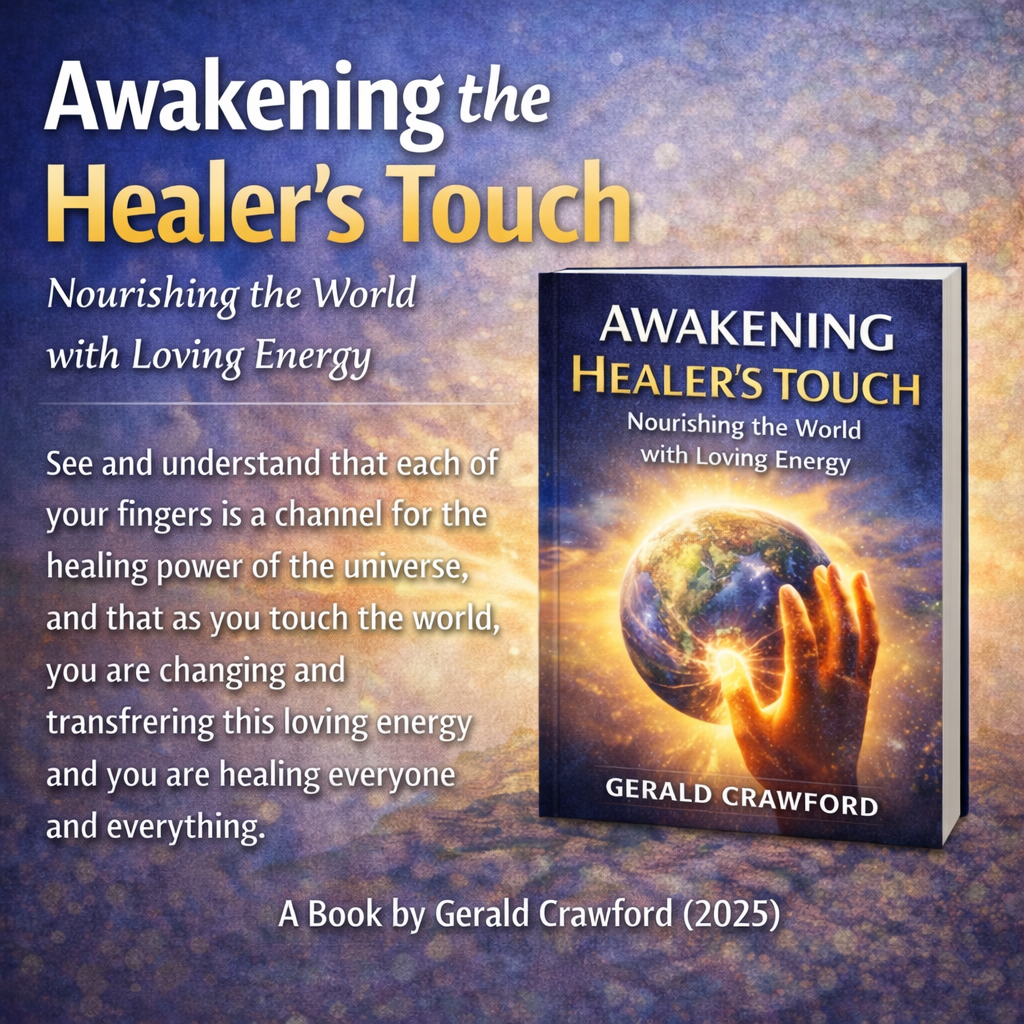
This newsletter is written to promote and support:
Awakening the Healer’s Touch: Nourishing the World with Loving Energy – A Book by Gerald Crawford (2025)
See and understand that each of your finger is a channel for the healing power of the universe, and that as you touch the world, you are changing and transferring this loving energy and you are healing everyone and everything.
Please have a look at:



Recent Comments