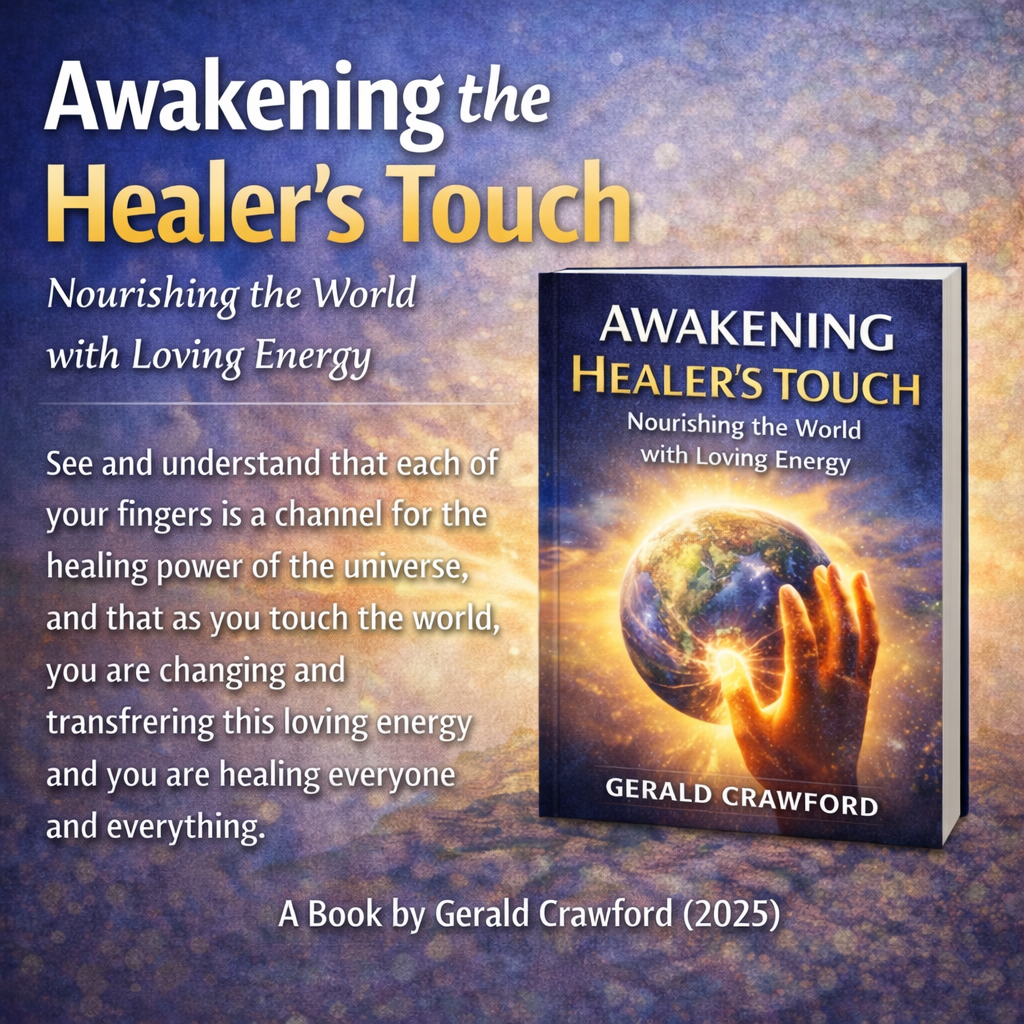
See and understand that each of your finger is a channel for the healing power of the universe, and that as you touch the world, you are changing and transferring this loving energy and you are healing everyone and everything.

Tag: Integration and Embodiment

Integration and Embodiment

Let’s dive deeper into the concept of “Integration and Embodiment – Awakening the Healer’s Touch”.

Integration:

Integration refers to the process of combining different aspects of oneself, such as:

1. Mind, body, and spirit: Integrating the cognitive, emotional, and physical aspects of oneself to create a unified whole.

2. Past, present, and future: Integrating past experiences, present awareness, and future aspirations to create a cohesive sense of self.

3. Multiple identities: Integrating different roles, personas, or identities to create a sense of wholeness and authenticity.

Integration involves:

1. Acknowledging and accepting: Recognizing and accepting all aspects of oneself, including strengths, weaknesses, and areas for growth.

2. Releasing fragmentation: Letting go of dissociation, denial, or compartmentalization, and instead, embracing a holistic sense of self.

3. Embracing paradoxes: Accepting and reconciling contradictory aspects of oneself, such as masculine and feminine, rational and emotional, or spiritual and material.

Embodiment:

Embodiment refers to the process of inhabiting and experiencing one’s physical body as a source of wisdom, intuition, and guidance. This involves:

1. Body awareness: Developing awareness of bodily sensations, feelings, and intuition.

2. Somatic experiencing: Engaging with the body’s sensory experiences, such as touch, movement, and breath.

3. Mind-body connection: Cultivating a deep understanding of the interconnectedness between the mind, body, and emotions.

Embodiment involves:

1. Grounding and centering: Establishing a sense of connection to the body and the present moment.

2. Releasing tension and trauma: Letting go of stored tension, stress, and trauma, and instead, cultivating relaxation, calmness, and flexibility.

3. Embracing sensory experiences: Engaging with the senses, such as sight, sound, touch, taste, and smell, to deepen bodily awareness and connection.

Awakening the Healer’s Touch:

The healer’s touch refers to the ability to transmit loving, nurturing, and compassionate energy to oneself and others. This involves:

1. Cultivating empathy and compassion: Developing the ability to understand and connect with the experiences, emotions, and needs of others.

2. Developing somatic awareness: Cultivating awareness of the body’s sensory experiences and intuition to guide healing and nurturing interactions.

3. Embodying love and kindness: Embodying loving, kind, and compassionate qualities, such as warmth, gentleness, and understanding.

Awakening the healer’s touch involves:

1. Self-healing and self-care: Prioritizing one’s own healing, growth, and self-care to develop a deep sense of inner peace and compassion.

2. Developing healing skills: Cultivating skills and practices that promote healing, such as energy work, breathwork, or mindfulness.

3. Embodied presence: Embodying a sense of presence, calmness, and compassion in interactions with others, allowing for deeper connections and more effective healing.

By integrating and embodying the healer’s touch, individuals can:

1. Deepen self-awareness and self-love: Cultivate a deeper understanding and appreciation of oneself, leading to greater self-acceptance and self-compassion.

2. Develop compassionate connections: Foster more empathetic and nurturing relationships with others, promoting a sense of community and understanding.

3. Embodiment of loving energy: Transmit loving, kind, and compassionate energy to oneself and others, contributing to a more harmonious and peaceful environment.

This article is written to promote and support:

Awakening the Healer’s Touch: Nourishing the World with Loving Energy – A Book by Gerald Crawford (2025)

See and understand that each of your finger is a channel for the healing power of the universe, and that as you touch the world, you are changing and transferring this loving energy and you are healing everyone and everything.

Please have a look at:

Integration and Embodiment – Exploration of the role of embodiment in the healing process and the importance of honoring the body’s wisdom

Let’s dive deeper into the role of embodiment in the healing process and the importance of honoring the body’s wisdom.

Embodiment in the Healing Process

Embodiment plays a crucial role in the healing process by:

1. Allowing the body to process and release trauma: Embodiment enables the body to process and release stored trauma, promoting relaxation, calmness, and a sense of safety.

2. Fostering self-awareness and self-regulation: Embodiment helps individuals develop greater self-awareness, allowing them to regulate their emotions, thoughts, and behaviors, and promoting overall well-being.

3. Cultivating a sense of safety and trust: Embodiment helps individuals develop a sense of safety and trust in their body, allowing them to feel more grounded and connected to their physical and emotional experiences.

4. Supporting the body’s natural healing mechanisms: Embodiment supports the body’s natural healing mechanisms, such as the immune system, and promotes overall physical and emotional well-being.

Honoring the Body’s Wisdom

Honoring the body’s wisdom involves:

1. Listening to the body’s signals: Paying attention to the body’s physical and emotional signals, such as hunger, thirst, fatigue, or pain, and responding in a way that nurtures and supports its needs.

2. Respecting the body’s boundaries: Recognizing and respecting the body’s limits, taking regular breaks, practicing self-care, and prioritizing rest and relaxation.

3. Cultivating self-compassion and self-love: Practicing self-compassion and self-love, acknowledging and accepting the body’s imperfections, and treating it with kindness, care, and respect.

4. Embracing the body’s intuitive wisdom: Trusting the body’s intuitive wisdom, and allowing it to guide decision-making and actions.

The Importance of Embodiment in Healing

Embodiment is essential in healing because it:

1. Supports holistic health: Embodiment promotes holistic health, addressing the interconnectedness of physical, emotional, and spiritual well-being.

2. Empowers individuals: Embodiment empowers individuals to take an active role in their healing process, making informed decisions and taking care of their body’s needs.

3. Fosters resilience: Embodiment helps individuals develop greater resilience, coping with stress, adversity, and uncertainty, and navigating life’s challenges with greater ease and confidence.

4. Promotes self-awareness and self-acceptance: Embodiment promotes self-awareness and self-acceptance, allowing individuals to develop a more positive and compassionate relationship with their body.

Practical Tips for Embodiment

1. Practice mindfulness and meditation: Regularly practice mindfulness and meditation to cultivate greater self-awareness and connection to the body.

2. Engage in somatic practices: Engage in somatic practices, such as yoga, tai chi, or somatic therapy, to promote embodiment and support the body’s natural healing mechanisms.

3. Listen to the body’s signals: Pay attention to the body’s physical and emotional signals, and respond in a way that nurtures and supports its needs.

4. Prioritize self-care: Prioritize self-care, engaging in activities that promote relaxation, calmness, and overall well-being, such as taking a warm bath, getting a massage, or spending time in nature.

By embracing embodiment and honoring the body’s wisdom, you, can promote overall well-being, resilience, and a more positive and compassionate relationship with your body. Remember to listen to your body, respect its boundaries, and cultivate self-compassion and self-love, allowing you to navigate life’s challenges with greater ease, confidence, and joy.

Integration and Embodiment – Introduction to various techniques for integrating the Healer’s Touch, including mindfulness, meditation, and movement practices

Let’s explore various techniques for integrating the Healer’s Touch, including mindfulness, meditation, and movement practices.

Mindfulness Techniques

1. Body Scan Meditation: Lie down or sit comfortably, bringing awareness to each part of the body, starting from the toes and moving up to the head, releasing any tension or discomfort.

2. Mindful Breathing: Focus on the breath, noticing the sensation of the air entering and leaving the nostrils, and the rise and fall of the chest or belly.

3. Walking Meditation: Pay attention to the sensation of each step, the movement of the legs, and the rhythm of the breath, cultivating awareness and calmness.

4. Loving-Kindness Meditation: Focus on sending kindness and compassion to oneself and others, repeating phrases like “May I be happy, may I be healthy, may I be at peace.”

Meditation Techniques

1. Transcendental Meditation: Use a mantra to quiet the mind and access a deeper state of consciousness, promoting relaxation and inner peace.

2. Guided Meditation: Listen to a guided audio recording, leading you through a meditation practice, often focusing on relaxation, visualization, or energy work.

3. Visualization Meditation: Imagine a peaceful, safe, and nurturing environment, using all the senses to create a vivid mental picture, promoting relaxation and calmness.

4. Chakra Meditation: Focus on the different energy centers in the body, using visualization, breathwork, or sound to balance and align the chakras.

Movement Practices

1. Yoga: Combine physical postures, breathwork, and meditation to promote flexibility, balance, and inner peace.

2. Tai Chi: Practice slow, flowing movements, cultivating balance, coordination, and inner harmony.

3. Qigong: Combine movement, breathwork, and meditation to balance and harmonize the body’s energy, promoting relaxation and well-being.

4. Somatic Movement: Engage in gentle, mindful movements, releasing tension and promoting relaxation, often using techniques like rolling, stretching, or shaking.

Energy Work Techniques

1. Reiki: Use light touch or distance healing to transmit universal life energy, promoting relaxation, balance, and well-being.

2. Acupuncture: Use needles or pressure points to balance the body’s energy, promoting relaxation, pain relief, and overall health.

3. Reflexology: Apply pressure to specific points on the feet or hands, corresponding to different organs and systems, promoting relaxation and balance.

4. Sound Healing: Use sound frequencies, like tuning forks or singing bowls, to balance and harmonize the body’s energy, promoting relaxation and well-being.

Breathwork Techniques

1. Holotropic Breathwork: Use rapid, shallow breathing to access non-ordinary states of consciousness, promoting emotional release and spiritual growth.

2. Rebirthing Breathwork: Use conscious, connected breathing to release tension, promote relaxation, and access higher states of consciousness.

3. Box Breathing: Use a specific breathing pattern, inhaling for a count of 4, holding for a count of 4, exhaling for a count of 4, and holding again for a count of 4, promoting relaxation and focus.

4. Alternate Nostril Breathing: Use the fingers to close one nostril, inhaling through the other, then switching to exhale through the other nostril, promoting balance and relaxation.

These techniques can help you, integrate the Healer’s Touch into your daily life, promoting relaxation, balance, and overall well-being. Remember to explore and experiment with different practices, finding what works best for you and your unique needs.

Integration and Embodiment – Discussion of the importance of integrating the Healer’s Touch into daily life and embodiment

Let’s explore the importance of integrating the Healer’s Touch into daily life and embodiment.

Why Integrate the Healer’s Touch into Daily Life?

1. Enhanced Self-Awareness: Integrating the Healer’s Touch into daily life promotes self-awareness, allowing individuals to better understand their thoughts, emotions, and physical sensations.

2. Increased Empathy and Compassion: By embodying the Healer’s Touch, individuals can develop greater empathy and compassion for themselves and others, leading to more harmonious relationships.

3. Improved Physical and Emotional Well-being: The Healer’s Touch can help individuals release tension, stress, and trauma, promoting overall physical and emotional well-being.

4. Greater Sense of Connection: Integrating the Healer’s Touch into daily life can foster a deeper sense of connection to oneself, others, and the world, leading to a more meaningful and purposeful existence.

Embodiment: The Key to Integrating the Healer’s Touch

1. Somatic Experiencing: Embodiment involves engaging with the body’s sensory experiences, such as touch, movement, and breath, to deepen awareness and connection.

2. Mind-Body Connection: Embodiment recognizes the interdependence of the mind, body, and emotions, allowing individuals to address holistic health and well-being.

3. Grounding and Centering: Embodiment involves establishing a sense of grounding and centering, enabling individuals to navigate life’s challenges with greater ease and resilience.

4. Intuition and Inner Wisdom: Embodiment can help individuals tap into their intuition and inner wisdom, guiding them toward more informed decisions and a more authentic life.

Practical Ways to Integrate the Healer’s Touch into Daily Life

1. Mindfulness and Meditation: Regular mindfulness and meditation practice can help individuals cultivate a sense of calm, clarity, and inner peace.

2. Bodywork and Movement: Engaging in activities like yoga, tai chi, or somatic exercises can help individuals develop greater body awareness and embodiment.

3. Breathwork and Energy Work: Practicing breathwork, Reiki, or other energy modalities can help individuals balance and harmonize their energy, promoting a sense of well-being and connection.

4. Self-Care and Self-Compassion: Prioritizing self-care and self-compassion can help individuals develop a deeper sense of love, acceptance, and understanding for themselves and others.

Benefits of Embodiment in Daily Life

1. Increased Resilience: Embodiment can help individuals develop greater resilience, enabling them to better navigate life’s challenges and stressors.

2. Improved Relationships: By embodying the Healer’s Touch, individuals can develop more empathetic and compassionate relationships, leading to greater understanding and connection.

3. Enhanced Creativity and Inspiration: Embodiment can help individuals tap into their creative potential, inspiring new ideas, insights, and perspectives.

4. Greater Sense of Purpose and Meaning: Integrating the Healer’s Touch into daily life can help individuals discover their passions and values, leading to a more purposeful and meaningful existence.

By integrating the Healer’s Touch into daily life and embodiment, individuals can experience a profound shift in their overall well-being, relationships, and sense of purpose. As you, continue on this journey, remember to prioritize self-care, self-compassion, and embodied awareness, allowing you to deepen your connection to yourself and the world around you.

Back a Buddy Show your Support