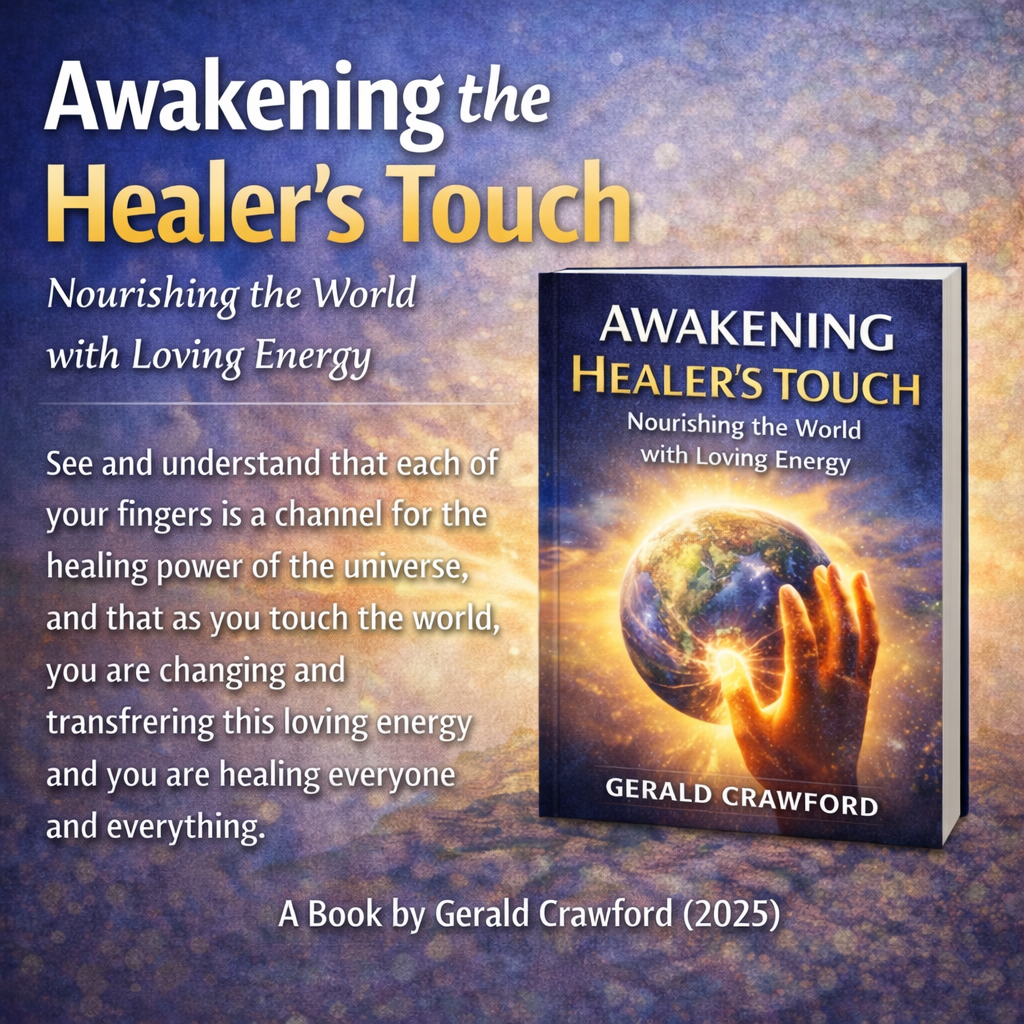
See and understand that each of your finger is a channel for the healing power of the universe, and that as you touch the world, you are changing and transferring this loving energy and you are healing everyone and everything.

Tag: Healing the Self

Healing the Self

Healing the Self is a profound and transformative journey that involves nurturing and caring for one’s own physical, emotional, mental, and spiritual well-being. It’s a process of self-discovery, self-awareness, and self-acceptance, where one learns to let go of past wounds, release negative patterns, and cultivate a deeper sense of love, compassion, and understanding for oneself.

Aspects of Healing the Self

Healing the Self encompasses various aspects, including:

1. Physical Healing: Nurturing one’s physical body through healthy habits, such as balanced nutrition, regular exercise, and sufficient sleep.

2. Emotional Healing: Recognizing, accepting, and releasing emotional wounds, traumas, and negative patterns, and cultivating emotional intelligence, resilience, and well-being.

3. Mental Healing: Calming and focusing the mind, letting go of negative thoughts and patterns, and cultivating a positive, compassionate, and growth-oriented mindset.

4. Spiritual Healing: Connecting with one’s higher self, cultivating a sense of purpose and meaning, and nurturing a deeper sense of connection with the world and others.

5. Energetic Healing: Balancing and aligning one’s energy, releasing blocked or stagnant energy, and cultivating a sense of vitality, vitality, and flow.

Techniques for Healing the Self

Some powerful techniques for Healing the Self include:

1. Meditation and Mindfulness: Cultivating present-moment awareness, calmness, and clarity through meditation and mindfulness practices.

2. Self-Reflection and Journaling: Exploring one’s thoughts, feelings, and experiences through self-reflection and journaling, and gaining insights into one’s patterns, motivations, and desires.

3. Self-Care and Self-Compassion: Practicing self-care, self-compassion, and self-love, and treating oneself with kindness, understanding, and acceptance.

4. Energy Healing: Using techniques such as Reiki, acupuncture, or sound healing to balance and align one’s energy, and cultivate a sense of well-being and vitality.

5. Creative Expression: Engaging in creative activities such as art, music, writing, or dance to express oneself, tap into one’s imagination, and cultivate a sense of joy and fulfillment.

Benefits of Healing the Self

The benefits of Healing the Self are numerous and profound, including:

1. Increased Self-Awareness: Gaining a deeper understanding of oneself, including one’s thoughts, feelings, and behaviors.

2. Improved Emotional Regulation: Developing the ability to manage and regulate one’s emotions, and respond to challenging situations with greater ease and resilience.

3. Enhanced Physical and Mental Well-being: Cultivating a stronger, healthier body and mind, and reducing the risk of chronic diseases and mental health conditions.

4. Greater Sense of Purpose and Meaning: Discovering one’s passions, values, and life purpose, and cultivating a sense of direction and fulfillment.

5. Deeper Connections with Others: Building stronger, more authentic relationships with others, and cultivating a sense of empathy, compassion, and understanding.

Remember, Healing the Self is a journey, not a destination. It’s a process of growth, transformation, and evolution, where one learns to cultivate a deeper sense of love, compassion, and understanding for oneself and others. By embracing this journey, you can experience profound healing, transformation, and growth, and live a more fulfilling, meaningful, and joyful life.


Healing the Self – Introduction to various techniques for healing the self, including self-Reiki, self-massage, and other forms of self-care

I’d like to introduce you to various techniques for healing the self, which can be incredibly empowering and nurturing. These techniques can help you cultivate a deeper sense of self-awareness, self-love, and self-acceptance, ultimately leading to a more balanced and harmonious life.

Self-Reiki

Self-Reiki is a wonderful technique for healing the self. It involves applying the principles of Reiki, a Japanese energy healing modality, to yourself. By using specific hand positions and intentions, you can channel and balance your own energy, promoting relaxation, reduction of stress and anxiety, and overall well-being.

To practice self-Reiki, find a quiet and comfortable space, sit or lie down, and place your hands on your body in specific positions. You can start with your hands on your heart, then move to your solar plexus, and finally to your crown of the head. As you hold each position, focus on your breath and intend to channel and balance your energy.

Self-Massage

Self-massage is another excellent technique for healing the self. It involves using various massage techniques, such as kneading, stroking, and squeezing, to release tension and promote relaxation in your muscles. Self-massage can help reduce stress, improve circulation, and even boost your immune system.

To practice self-massage, start by using a massage oil or lotion and gently warming up your muscles with some light stretches. Then, focus on specific areas of tension, such as your neck, shoulders, or lower back. Use your fingers, palms, or even a massage tool to apply gentle pressure and release any tension or knots.

Other Forms of Self-Care

In addition to self-Reiki and self-massage, there are many other forms of self-care that can be incredibly nourishing for the self. Some examples include:

1. Meditation and mindfulness: Taking a few moments each day to focus on your breath, calm your mind, and cultivate a sense of inner peace.

2. Yoga and tai chi: Practicing gentle stretches, movements, and breathing exercises to promote flexibility, balance, and harmony in your body and mind.

3. Journaling and reflection: Taking time to reflect on your thoughts, feelings, and experiences, and writing down your insights and gratitude.

4. Nature connection: Spending time in nature, whether walking, hiking, or simply sitting in a park or garden, to cultivate a sense of connection and wonder.

5. Creative expression: Engaging in creative activities, such as painting, drawing, writing, or playing music, to express yourself and tap into your imagination.

6. Healthy nutrition and hydration: Nourishing your body with whole, healthy foods and staying hydrated to support your physical and emotional well-being.

7. Rest and relaxation: Allowing yourself time to rest, recharge, and relax, whether through napping, reading, or simply taking a break from your daily activities.

Remember, the key to healing the self is to approach these techniques with kindness, compassion, and patience. Be gentle with yourself, and allow yourself the time and space to explore and discover what works best for you. How would you like to explore these techniques further?

Healing the Self – Exploration of the role of self-compassion and self-forgiveness in the healing process

As we continue to explore the concept of Healing the Self, I’d like to delve into the essential role of self-compassion and self-forgiveness in the healing process.

The Importance of Self-Compassion

Self-compassion is the practice of treating yourself with kindness, understanding, and acceptance, especially when you’re experiencing difficulty or struggling with challenging emotions. It involves acknowledging that it’s okay to make mistakes, that you’re doing the best you can, and that you deserve to be treated with the same care and compassion that you would offer to a friend.

Self-compassion is crucial in the healing process because it allows you to:

1. Acknowledge your emotions: Recognize and validate your feelings, rather than suppressing or denying them.

2. Practice self-kindness: Treat yourself with gentleness, understanding, and patience, just as you would a close friend.

3. Develop a growth mindset: View challenges and setbacks as opportunities for growth, learning, and self-improvement.

The Power of Self-Forgiveness

Self-forgiveness is the process of releasing guilt, shame, and self-criticism, and instead, accepting and forgiving yourself for past mistakes or perceived shortcomings. It’s essential to recognize that everyone makes mistakes, and that it’s a natural part of the learning and growth process.

Self-forgiveness is vital in the healing process because it allows you to:

1. Let go of negative self-talk: Release self-criticism and negative self-judgment, and instead, cultivate a more compassionate and supportive inner dialogue.

2. Release emotional burdens: Free yourself from the weight of guilt, shame, and regret, and instead, focus on the present moment and future possibilities.

3. Cultivate self-acceptance: Accept yourself as you are, with all your strengths and weaknesses, and recognize that you’re doing the best you can.

Practicing Self-Compassion and Self-Forgiveness

To cultivate self-compassion and self-forgiveness, try the following exercises:

1. Mindfulness meditation: Practice mindfulness meditation to increase self-awareness and develop a more compassionate relationship with yourself.

2. Self-compassion journaling: Write down kind and supportive statements to yourself, such as “I am doing the best I can,” or “I am enough.”

3. Letter to yourself: Write a letter to yourself, offering forgiveness and understanding for past mistakes or perceived shortcomings.

4. Self-care rituals: Engage in self-care activities that promote relaxation and self-compassion, such as taking a warm bath, listening to soothing music, or practicing yoga.

5. Seek support: Reach out to friends, family, or a therapist for support and guidance in your healing journey.

Remember, healing is a journey, and it’s essential to be patient, kind, and compassionate with yourself throughout the process. By cultivating self-compassion and self-forgiveness, you’ll be better equipped to navigate life’s challenges and cultivate a deeper sense of inner peace and well-being. How do you feel about exploring these concepts further?

Healing the Self – Discussion of the importance of self-healing and self-care in the Healer’s Touch

“Healing the Self” is a crucial concept in the context of the Healer’s Touch, as it emphasizes the importance of self-healing and self-care for individuals, particularly those in the healing professions. The idea is that in order to effectively heal others, one must first heal and care for themselves.

The Importance of Self-Healing

Self-healing is the process of acknowledging and addressing one’s own physical, emotional, and spiritual wounds. It involves taking responsibility for one’s own well-being and making conscious choices to nurture and care for oneself. By doing so, individuals can:

1. Release emotional baggage: Unresolved emotional issues can weigh heavily on a person, affecting their ability to heal others. Self-healing allows individuals to confront and release these emotions, freeing them to focus on their healing work.

2. Develop emotional resilience: Self-healing helps individuals develop emotional resilience, enabling them to better cope with the stresses and challenges of their healing work.

3. Improve their own health: By prioritizing self-care, individuals can improve their physical, emotional, and spiritual health, which is essential for maintaining the energy and vitality needed to heal others.

The Importance of Self-Care

Self-care is an essential aspect of self-healing, as it involves intentionally taking care of one’s physical, emotional, and spiritual needs. Self-care practices can include:

1. Mindfulness and meditation: Regular mindfulness and meditation practices can help individuals cultivate inner peace, calmness, and clarity, essential for effective healing work.

2. Physical self-care: Engaging in regular exercise, healthy eating, and sufficient sleep can help maintain physical energy and vitality.

3. Boundary setting: Establishing and maintaining healthy boundaries is crucial for self-care, as it helps individuals protect their time, energy, and emotional well-being.

4. Creative expression: Engaging in creative activities, such as art, music, or writing, can provide an outlet for emotions and foster a sense of joy and fulfillment.

The Healer’s Touch

In the context of the Healer’s Touch, self-healing and self-care are essential for several reasons:

1. Compassion fatigue: Healers are often exposed to the suffering and pain of others, which can lead to compassion fatigue. Self-healing and self-care help mitigate this risk.

2. Energetic sustainability: Healers need to maintain their own energetic sustainability to effectively heal others. Self-care practices help replenish and balance their energy.

3. Authenticity and integrity: By prioritizing self-healing and self-care, healers can embody the principles of their work, demonstrating authenticity and integrity in their practice.

In conclusion, “Healing the Self” is a vital aspect of the Healer’s Touch, as it recognizes the importance of self-healing and self-care in maintaining the physical, emotional, and spiritual well-being of healers. By prioritizing self-care and self-healing, individuals can become more effective, compassionate, and resilient healers, better equipped to serve others and make a positive impact in the world.

Back a Buddy Show your Support