Healing Model Case Study 203
Applying the Book’s Principles in a Structured Healing Therapy Model
Case Study 203
Integrating the Healing Model into Therapeutic Practice
Profile
Client Name: Maria K. (Pseudonym)
Age: 35
Presenting Issues: Anxiety, emotional overwhelm, difficulty expressing feelings, chronic chest tightness.
Setting: Integrative therapy practice combining talk therapy with somatic awareness techniques.
The Healing Therapy Model Framework
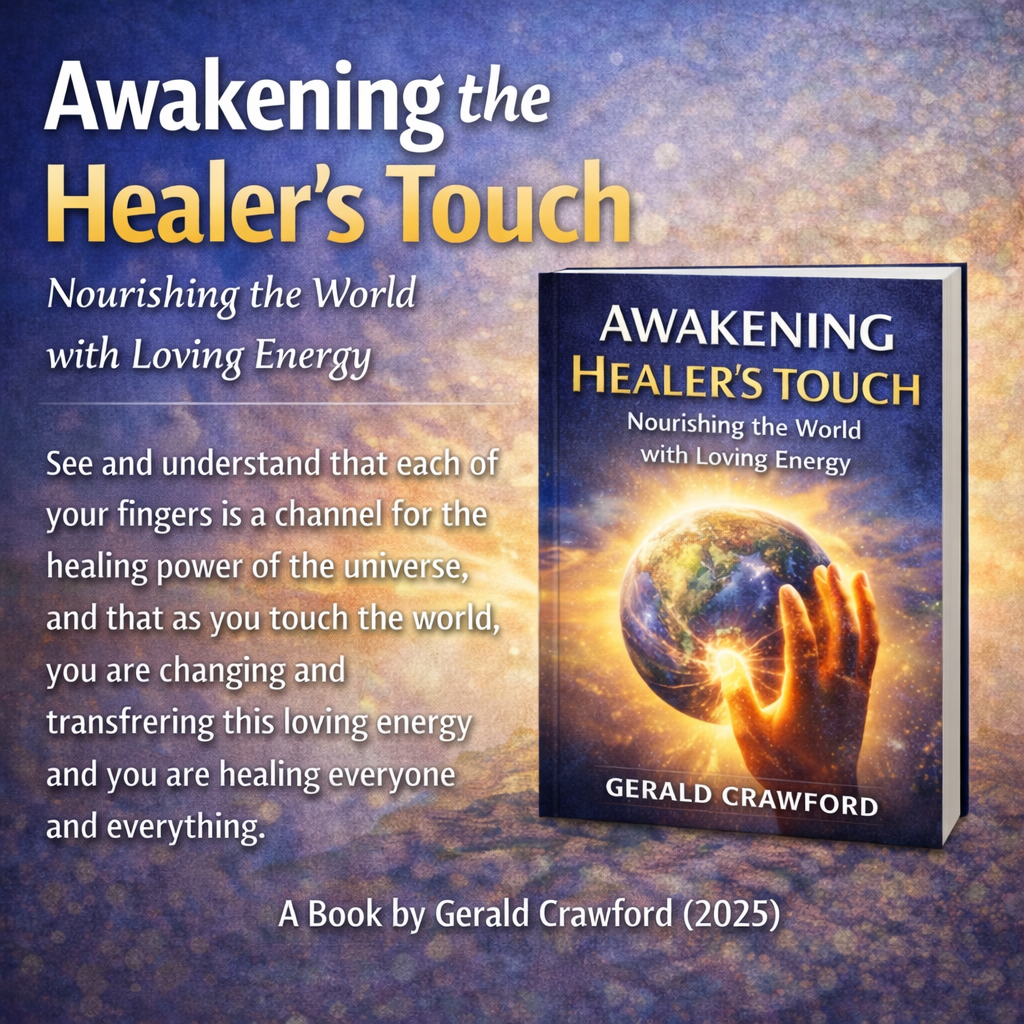
The therapist incorporated principles from Awakening the Healer’s Touch into a structured 6-phase therapeutic model:
- Awareness of Emotional Energy
- Nervous System Regulation
- Intentional Self-Touch Practices
- Reframing Identity as a “Channel”
- Compassionate Presence Training
- Integration into Daily Life
Phase 1: Emotional Energy Awareness
Maria initially described her anxiety as “something happening to me.”
Through guided reflection, she began identifying:
-
Where tension lived in her body
-
When emotional spikes occurred
-
What internal narratives fueled stress
This shifted her from victimhood to observer.
Phase 2: Nervous System Regulation
Using simple grounding practices:
-
One hand over heart
-
One hand on abdomen
-
Slow diaphragmatic breathing
Within sessions, Maria’s visible tension decreased in minutes.
She described feeling “anchored instead of scattered.”
This built confidence in her ability to self-regulate.
Phase 3: Conscious Self-Touch
Rather than viewing touch as external healing, Maria practiced:
-
Gentle self-soothing gestures
-
Intentional hand placement during anxiety spikes
-
Pausing before reacting in difficult conversations
Over time, her body responded more quickly to calming cues.
Phase 4: Identity Reframe — From Reactive to Channel
A breakthrough moment occurred when Maria reflected:
“If I’m a channel of energy, I don’t have to absorb everything around me.”
This understanding reduced emotional over-identification with others’ stress.
She began visualizing energy flowing through her — not staying trapped within her.
Phase 5: Relational Application
Maria applied the model in real-world interactions:
-
Pausing before responding during conflict
-
Setting calming intention before meetings
-
Maintaining grounded posture during emotional discussions
Conflict frequency decreased.
Emotional resilience increased.
Outcomes After 12 Weeks
Emotional
-
Reduced anxiety intensity
-
Greater emotional vocabulary
-
Increased confidence in self-soothing
Physical
-
Decreased chest tightness
-
More consistent breathing patterns
-
Improved sleep quality
Relational
-
Healthier boundaries
-
Reduced emotional reactivity
-
Stronger communication skills
Clinical Insight
The integration of the Healing Model supported therapy by:
-
Enhancing somatic awareness
-
Improving nervous system regulation
-
Empowering client autonomy
-
Encouraging embodied emotional processing
It complemented traditional therapy by adding an experiential, body-centered dimension rooted in awareness and intention.
Key Takeaway
Applying the principles from Awakening the Healer’s Touch within therapy can:
-
Strengthen emotional regulation
-
Improve mind-body connection
-
Reduce stress reactivity
-
Foster sustained inner calm
Healing became not something “done” to Maria —
but something she actively participated in.



Leave a Reply