See and understand that each of your finger is a channel for the healing power of the universe, and that as you touch the world, you are changing and transferring this loving energy and you are healing everyone and everything.

Author: gcstellenbosch (Page 9 of 55)

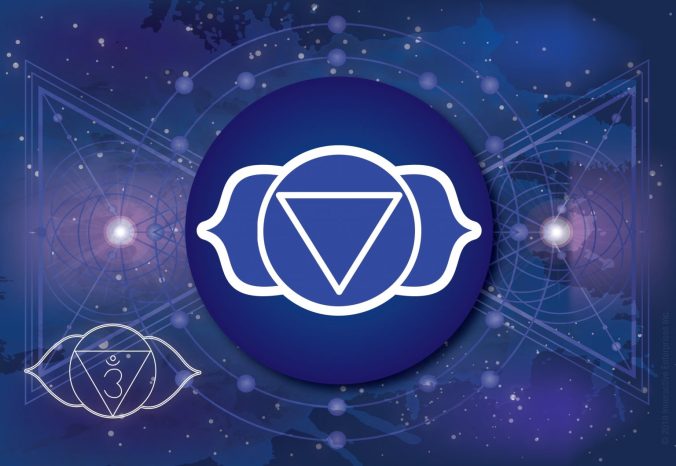
Everything about the Ajna Chakra – Third Eye Chakra

The Ajna Chakra, also known as the Third Eye Chakra, is the sixth energy center in the human body, located between the eyebrows. It plays a vital role in our intuition, insight, and higher states of consciousness. Here’s an in-depth look at the Ajna Chakra:

Location and Position:

The Ajna Chakra is situated between the eyebrows, near the pineal gland, and is associated with the brain, nervous system, and the senses.

Name and Meaning:

The term “Ajna” is derived from two Sanskrit words: “A” meaning “not” or “beyond,” and “Jna” meaning “knowledge” or “perception.” This name signifies the chakra’s role as a center of higher knowledge, intuition, and insight.

Color and Symbolism:

The Ajna Chakra is associated with the color indigo, which represents intuition, insight, and wisdom. The symbol for this chakra is a two-petaled lotus flower, representing the union of the rational and intuitive minds. The seed sound for the Ajna Chakra is “OM” or “AUM”.

Aspects and Functions:

1. Intuition: The Ajna Chakra governs our intuition, including our ability to sense and perceive subtle energies and patterns.

2. Insight: This chakra is associated with our insight, including our ability to see beyond the surface level of things and understand deeper truths.

3. Higher States of Consciousness: The Ajna Chakra influences our ability to access higher states of consciousness, including meditation, psychic abilities, and spiritual awareness.

4. Perception and Cognition: It is also associated with our perception and cognition, including our ability to process and understand information, and to see things from different perspectives.

Characteristics and Traits:

When the Ajna Chakra is balanced and functioning properly, an individual exhibits the following traits:

1. Intuitive: They are intuitive, able to sense and perceive subtle energies and patterns.

2. Insightful: They are insightful, able to see beyond the surface level of things and understand deeper truths.

3. Psychic: They may exhibit psychic abilities, such as clairvoyance, telepathy, or precognition.

4. Spiritually Aware: They are spiritually aware, with a deep understanding of the nature of reality and their place in the universe.

Imbalances and Blockages:

When the Ajna Chakra is imbalanced or blocked, it can lead to various issues, including:

1. Confusion and Disorientation: Experiencing confusion, disorientation, or difficulty seeing things clearly.

2. Lack of Intuition: Struggling with intuition, including difficulty making decisions or sensing subtle energies.

3. Mental Fogginess: Feeling mentally foggy, unfocused, or unable to think clearly.

4. Spiritual Disconnection: Feeling disconnected from one’s spiritual nature, or struggling with spiritual doubts and uncertainties.

Healing and Balancing Techniques:

To heal and balance the Ajna Chakra, try the following practices:

1. Meditation: Practice meditation, including techniques such as visualization, mantra repetition, or mindfulness meditation.

2. Yoga: Engage in yoga practices, including postures, breathwork, and energy work, to balance and align the body’s energy.

3. Intuitive Development: Develop your intuition through practices such as psychic development, tarot reading, or other forms of divination.

4. Gemstones and Crystals: Work with indigo or purple gemstones, such as amethyst, lapis lazuli, or charoite, which are associated with the Third Eye Chakra.

5. Aromatherapy: Use essential oils like frankincense, sandalwood, or lavender, which promote relaxation, focus, and spiritual awareness.

Activating the Ajna Chakra:

To activate and awaken the Ajna Chakra, try the following:

1. Meditation and Visualization: Practice meditation and visualization techniques to activate the Third Eye Chakra and access higher states of consciousness.

2. Intuitive Practices: Engage in intuitive practices, such as psychic development or tarot reading, to develop your intuition and connection to the subtle realms.

3. Yoga and Breathwork: Practice yoga and breathwork to balance and align the body’s energy and prepare for higher states of consciousness.

4. Spiritual Study: Study spiritual texts, teachings, and philosophies to deepen your understanding of the nature of reality and the universe.

5. Chakra-Specific Rituals: Perform rituals that honor the Third Eye Chakra, such as a meditation ceremony or a ritual to activate the pineal gland.

By understanding and working with the Ajna Chakra, you can cultivate intuition, insight, and higher states of consciousness, leading to greater spiritual awareness and connection to the universe.
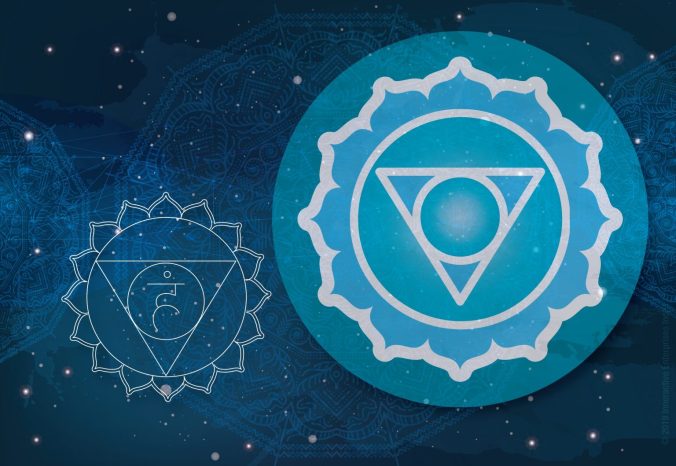
Everything about the Vishuddha Chakra – Throat Chakra

The Vishuddha Chakra, also known as the Throat Chakra, is the fifth energy center in the human body, located in the neck and throat area. It plays a vital role in our communication, self-expression, and personal truth. Here’s an in-depth look at the Vishuddha Chakra:

Location and Position:

The Vishuddha Chakra is situated in the neck and throat area, near the larynx, and is associated with the thyroid gland, which regulates our metabolism and energy levels.

Name and Meaning:

The term “Vishuddha” is derived from two Sanskrit words: “Vi” meaning “pure” or “clear,” and “Shuddha” meaning “purified” or “refined.” This name signifies the chakra’s role as a center of clear and authentic communication, self-expression, and personal truth.

Color and Symbolism:

The Vishuddha Chakra is associated with the color blue, which represents clarity, truth, and communication. The symbol for this chakra is a sixteen-petaled lotus flower, representing the sixteen vowels of the Sanskrit language and the power of sound and vibration. The seed sound for the Vishuddha Chakra is “HAM.”

Aspects and Functions:

1. Communication: The Vishuddha Chakra governs our ability to communicate effectively, express ourselves authentically, and speak our truth.

2. Self-Expression: This chakra is associated with our creative expression, including our ability to write, speak, and convey our ideas and emotions.

3. Personal Truth: The Vishuddha Chakra influences our ability to discern and express our personal truth, including our values, beliefs, and integrity.

4. Listening and Receiving: It is also associated with our ability to listen and receive information, including our intuition and inner wisdom.

Characteristics and Traits:

When the Vishuddha Chakra is balanced and functioning properly, an individual exhibits the following traits:

1. Effective Communicator: They are able to express themselves clearly, authentically, and assertively.

2. Creative and Articulate: They are creative, articulate, and able to convey their ideas and emotions effectively.

3. Truthful and Authentic: They are truthful, authentic, and transparent in their communication and self-expression.

4. Good Listener: They are able to listen actively, receive information, and respond thoughtfully.

Imbalances and Blockages:

When the Vishuddha Chakra is imbalanced or blocked, it can lead to various issues, including:

1. Communication Difficulties: Experiencing difficulties with expression, articulation, or being heard.

2. Self-Doubt and Insecurity: Struggling with self-doubt, insecurity, or fear of speaking one’s truth.

3. Lack of Creativity: Feeling uninspired, uncreative, or unable to express oneself authentically.

4. Hearing and Listening Problems: Experiencing hearing or listening difficulties, including tinnitus, ear infections, or difficulties with focus and attention.

Healing and Balancing Techniques:

To heal and balance the Vishuddha Chakra, try the following practices:

1. Yoga and Breathwork: Practice yoga postures that target the neck and throat, such as shoulder stands, plow pose, or lion pose. Engage in deep, diaphragmatic breathing exercises to stimulate the Vishuddha Chakra.

2. Meditation and Visualization: Practice guided meditations that focus on clear communication, self-expression, and personal truth. Visualize a bright, blue light at the throat center, and imagine yourself speaking your truth with clarity and confidence.

3. Creative Expression: Engage in creative activities, such as writing, singing, or public speaking, to express yourself authentically and build confidence.

4. Gemstones and Crystals: Work with blue gemstones, such as lapis lazuli, turquoise, or blue topaz, which are associated with the Throat Chakra.

5. Aromatherapy: Use essential oils like eucalyptus, peppermint, or frankincense, which promote clarity, focus, and communication.

Activating the Vishuddha Chakra:

To activate and awaken the Vishuddha Chakra, try the following:

1. Public Speaking: Engage in public speaking, teaching, or leadership activities to build confidence and self-expression.

2. Creative Writing: Practice creative writing, journaling, or poetry to express yourself authentically and develop your self-expression.

3. Singing or Music: Engage in singing, music, or sound healing to cultivate your creative expression and build confidence.

4. Truth-Telling: Practice telling your truth, being honest, and authentic in your communication and self-expression.

5. Chakra-Specific Rituals: Perform rituals that honor the throat center, such as a blue candle ceremony or a ritual to release fear and doubt.

By understanding and working with the Vishuddha Chakra, you can cultivate clear and authentic communication, self-expression, and personal truth, leading to greater confidence, creativity, and spiritual growth.

Everything about the Swadhishthana Chakra – Sacral Chakra

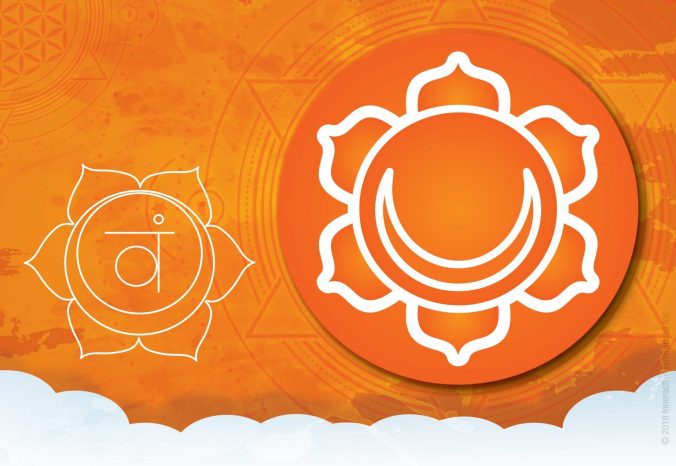
The Swadhisthana Chakra, also known as the Sacral Chakra, is the second energy center in the human body, located in the lower abdomen, about two inches below the navel. It plays a vital role in our emotional, creative, and sensual experiences. Here’s an in-depth look at the Swadhisthana Chakra:

Location and Position:

The Swadhisthana Chakra is situated in the lower abdomen, in the sacrum area, which is the triangular bone at the base of the spine and the center of the pelvis. It is associated with the reproductive organs, the kidneys, and the adrenal glands.

Name and Meaning:

The term “Swadhisthana” is derived from two Sanskrit words: “Swa,” meaning “one’s own,” and “Adhisthana,” meaning “dwelling place” or “abode.” This name signifies the chakra’s role as the center of our emotional and creative expression.

Color and Symbolism:

The Swadhisthana Chakra is associated with the color orange, which represents creativity, passion, and enthusiasm. The symbol for this chakra is a crescent moon, representing the ebb and flow of emotions and the cyclical nature of life. The seed sound for the Swadhisthana Chakra is “VAM.”

Aspects and Functions:

1. Emotional Aspect: The Swadhisthana Chakra governs our emotional experiences, including joy, pleasure, and creativity. It influences our ability to connect with others, form relationships, and experience intimacy.

2. Creative Aspect: This chakra is the seat of our creative potential, inspiring imagination, innovation, and artistic expression.

3. Sensual Aspect: The Swadhisthana Chakra is connected to our sensual experiences, including our sense of touch, taste, and pleasure.

4. Energetic Aspect: It plays a role in our energetic balance, influencing our vitality, passion, and enthusiasm for life.

Characteristics and Traits:

When the Swadhisthana Chakra is balanced and functioning properly, an individual exhibits the following traits:

1. Emotionally expressive: They are able to express their emotions in a healthy and authentic way.

2. Creative and inspired: They are imaginative, innovative, and inspired, with a passion for creative pursuits.

3. Sensually aware: They are in touch with their desires, needs, and boundaries, and are able to express themselves sensually in a healthy way.

4. Emotionally resilient: They are able to navigate emotional challenges, bounce back from setbacks, and maintain a positive outlook.

Imbalances and Blockages:

When the Swadhisthana Chakra is imbalanced or blocked, it can lead to various issues, including:

1. Emotional turmoil: Experiencing intense emotional highs and lows, mood swings, or emotional numbness.

2. Creative blockages: Struggling with inspiration, imagination, or self-expression.

3. Sensual disconnection: Experiencing a lack of pleasure, intimacy, or connection in relationships.

4. Energetic depletion: Feeling drained, lethargic, or disconnected from one’s passion and enthusiasm.

Healing and Balancing Techniques:

To heal and balance the Swadhisthana Chakra, try the following practices:

1. Yoga and movement: Engage in creative and expressive movement practices, such as dance, tai chi, or qigong.

2. Meditation and visualization: Practice guided meditations that focus on emotional release, creative expression, and sensual awareness.

3. Creative expression: Engage in creative activities, such as painting, drawing, writing, or playing music.

4. Sensual practices: Practice self-care and self-love, including massage, bathing, or other sensual pleasures.

5. Gemstones and crystals: Work with orange or coral-colored gemstones, such as carnelian, orange calcite, or sunstone, which are associated with the Sacral Chakra.

6. Aromatherapy: Use essential oils like orange, bergamot, or ylang-ylang, which promote creativity, relaxation, and sensual awareness.

Activating the Swadhisthana Chakra:

To activate and awaken the Swadhisthana Chakra, try the following:

1. Creative exploration: Engage in new creative pursuits, take risks, and experiment with different forms of self-expression.

2. Emotional release: Practice emotional release techniques, such as journaling, crying, or screaming, to release pent-up emotions.

3. Sensual connection: Cultivate sensual awareness and connection with your body, through practices like massage, yoga, or dance.

4. Relationship building: Nurture and cultivate healthy relationships, focusing on emotional intimacy, trust, and communication.

5. Chakra-specific rituals: Perform rituals that honor the cycles of life, such as a full moon ceremony or a seasonal equinox celebration.

By understanding and working with the Swadhisthana Chakra, you can tap into your creative potential, cultivate emotional awareness, and nurture your sensual and emotional well-being. This can lead to greater joy, inspiration, and fulfillment in your life.

The Power of Intention

The power of intention is a fascinating topic. Intention is a powerful tool that can help us manifest our desires, achieve our goals, and create positive change in our lives. As we explore the power of intention, let’s dive deeper into its meaning, importance, and applications.

What is Intention?

Intention is a focused and deliberate thought or feeling that is directed towards a specific outcome or goal. It’s a mental or emotional state that is aimed at achieving something, whether it’s a personal goal, a desired outcome, or a positive change. Intention is often accompanied by a sense of purpose, commitment, and determination.

The Importance of Intention

Intention is important because it:

1. Focuses our energy: Intention helps us focus our energy and attention on what we want to achieve, making it more likely that we’ll succeed.

2. Creates clarity: Intention provides clarity on what we want to achieve, helping us to make decisions and take action towards our goals.

3. Amplifies our energy: Intention can amplify our energy and manifestation power, helping us to attract what we want into our lives.

4. Helps us overcome obstacles: Intention can help us overcome obstacles and challenges by providing a clear sense of purpose and direction.

5. Enhances our well-being: Intention can enhance our well-being by helping us to create positive change and achieve our goals, leading to increased happiness and fulfillment.

How to Use the Power of Intention

To use the power of intention effectively, follow these steps:

1. Set a clear intention: Define what you want to achieve or create, and make sure your intention is specific, positive, and focused.

2. Feel the emotion: Connect with the emotion behind your intention, and feel the excitement and motivation that comes with it.

3. Visualize the outcome: Imagine yourself achieving your goal or creating the desired outcome, and visualize the feelings and sensations that come with it.

4. Take action: Take consistent and focused action towards your goal, and make sure your actions are aligned with your intention.

5. Let go and trust: Let go of attachment to the outcome, and trust that the universe will provide what you need to achieve your intention.

Intention in Healing

Intention plays a crucial role in healing, as it can help us to:

1. Focus our energy: Intention helps us focus our energy and attention on the healing process, making it more effective.

2. Create a positive environment: Intention can create a positive and supportive environment for healing, helping to reduce stress and anxiety.

3. Amplify our energy: Intention can amplify our energy and manifestation power, helping us to attract healing and wellness into our lives.

4. Enhance our intuition: Intention can help us to connect with our intuition and inner wisdom, guiding us towards the most effective healing approaches.

5. Facilitate self-healing: Intention can facilitate self-healing by helping us to tap into our own inner healing potential and connect with our body’s natural healing abilities.

Conclusion

The power of intention is a powerful tool that can help us achieve our goals, create positive change, and enhance our well-being. By setting a clear intention, feeling the emotion, visualizing the outcome, taking action, and letting go, we can tap into the power of intention and manifest our desires. Remember, the power of intention is not just about achieving a specific outcome, but also about the journey and the growth that comes with it. As you work with the power of intention, may you find clarity, purpose, and fulfillment on your own healing journey.

Energetic Healing

Energetic Healing: Balancing and aligning one’s energy, releasing blocked or stagnant energy, and cultivating a sense of vitality, vitality, and flow.

Energetic healing is a fascinating and powerful approach to promoting overall well-being, and it’s wonderful that you’re interested in exploring this topic. Energetic healing involves working with the body’s energy systems to restore balance, harmony, and vitality, and to promote physical, emotional, and spiritual healing.

Aspects of Energetic Healing

Energetic healing encompasses various aspects, including:

1. Energy and Vibrational Healing: Working with the body’s energy fields, such as the aura, chakras, and meridians, to promote balance, harmony, and healing.

2. Chakra Balancing: Balancing and aligning the body’s energy centers, or chakras, to promote emotional, mental, and spiritual well-being.

3. Meridian Therapy: Working with the body’s meridian system to promote energy flow, balance, and harmony, and to address physical, emotional, and spiritual imbalances.

4. Reiki and Energy Transfer: Using Reiki and other energy transfer techniques to channel and transmit healing energy to the body, mind, and spirit.

5. Sound and Vibrational Healing: Using sound and vibration to promote healing, balance, and harmony, and to address physical, emotional, and spiritual imbalances.

Techniques for Energetic Healing

Some powerful techniques for energetic healing include:

1. Reiki: A gentle, hands-on energy transfer technique that promotes relaxation, balance, and healing.

2. Qigong: A Chinese energy practice that combines movement, breath, and meditation to promote energy flow, balance, and harmony.

3. Acupuncture: A traditional Chinese medicine technique that uses needles to stimulate energy flow, balance, and harmony in the body.

4. Sound Healing: Using sound and vibration to promote healing, balance, and harmony, and to address physical, emotional, and spiritual imbalances.

5. Meditation and Visualization: Using meditation and visualization to promote energy flow, balance, and harmony, and to cultivate a deeper sense of connection to oneself and the universe.

Benefits of Energetic Healing

The benefits of energetic healing are numerous and profound, including:

1. Improved Energy and Vitality: Experiencing a greater sense of energy, vitality, and well-being, and being more able to navigate life’s challenges with ease and resilience.

2. Emotional Balance and Harmony: Cultivating emotional balance and harmony, and being more able to manage stress, anxiety, and other emotional challenges.

3. Physical Healing and Recovery: Promoting physical healing and recovery, and addressing chronic pain, inflammation, and other physical imbalances.

4. Spiritual Growth and Connection: Cultivating a deeper sense of spiritual connection and growth, and being more able to navigate life’s challenges with purpose, meaning, and direction.

5. Increased Sense of Calmness and Relaxation: Experiencing a greater sense of calmness, relaxation, and tranquility, and being more able to manage stress and anxiety.

Remember, energetic healing is a powerful and holistic approach to promoting overall well-being, and it’s essential to be patient, kind, and compassionate with yourself as you navigate this process. By prioritizing your energetic health and well-being, you can experience profound healing, transformation, and growth, and live a more vibrant, energetic, and fulfilling life.

« Older posts Newer posts »
Back a Buddy Show your Support