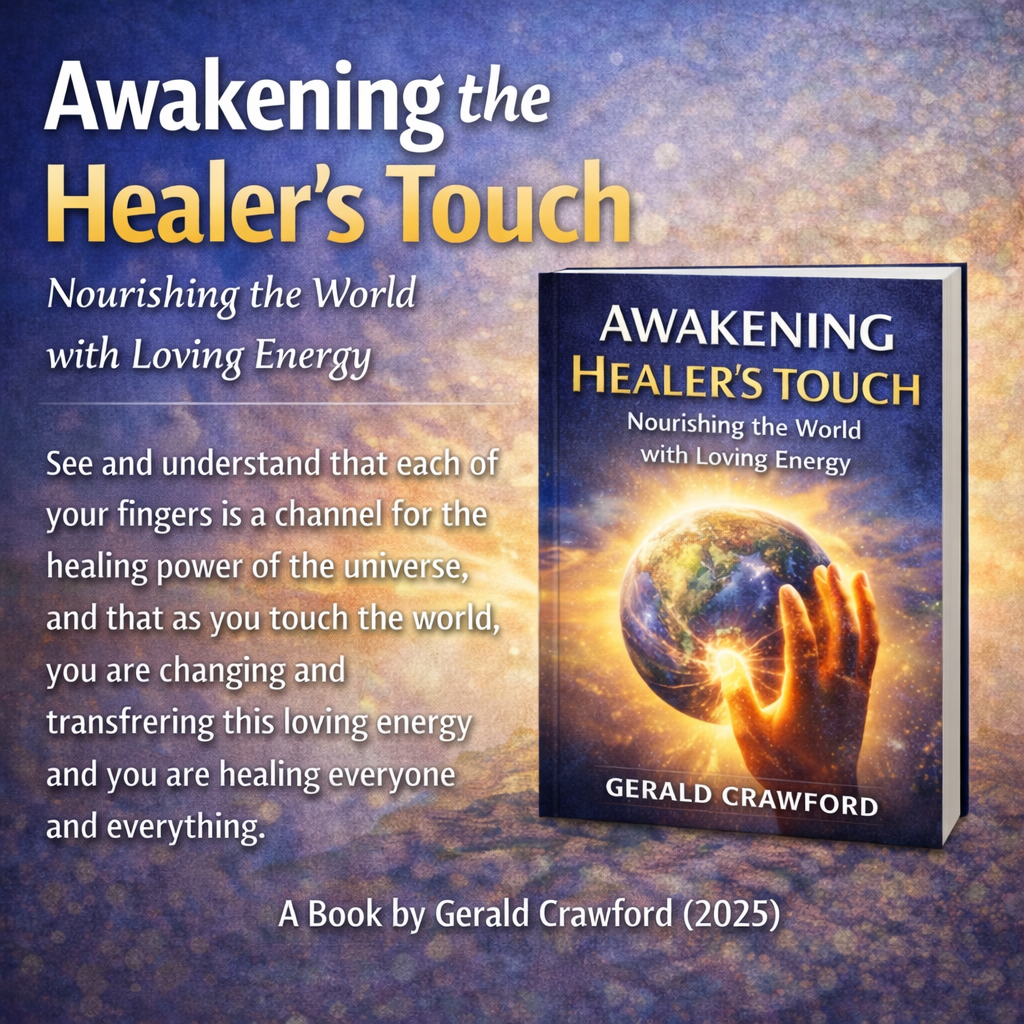
See and understand that each of your finger is a channel for the healing power of the universe, and that as you touch the world, you are changing and transferring this loving energy and you are healing everyone and everything.

Author: gcstellenbosch (Page 8 of 55)

Self-compassion

Self-compassion is an essential aspect of our overall well-being and happiness. It’s the practice of treating ourselves with kindness, understanding, and acceptance, especially when we’re experiencing difficulties or making mistakes.

What is Self-Compassion?

Self-compassion is the ability to be gentle, supportive, and understanding towards ourselves, even in the face of challenges, failures, or setbacks. It involves recognizing that we are human, that we will make mistakes, and that it’s okay to not be perfect.

Why is Self-Compassion Important?

Self-compassion is essential for several reasons:

1. Reduces self-criticism: Self-compassion helps us to be kinder to ourselves, reducing self-criticism and negative self-talk.

2. Increases resilience: Self-compassion helps us to bounce back from difficulties and setbacks, developing resilience and coping skills.

3. Improves mental health: Self-compassion has been linked to lower levels of anxiety, depression, and stress, and improved overall mental health.

4. Enhances self-awareness: Self-compassion helps us to develop a greater understanding of ourselves, our strengths, and our weaknesses.

5. Fosters personal growth: Self-compassion creates a safe and supportive environment for personal growth, allowing us to learn from our mistakes and develop new skills.

How to Practice Self-Compassion

Practicing self-compassion involves several key elements:

1. Self-kindness: Treat yourself with kindness, understanding, and patience, just as you would a close friend.

2. Common humanity: Recognize that you are not alone in your struggles, and that everyone experiences difficulties and challenges.

3. Mindfulness: Practice mindfulness, being present in the moment, and aware of your thoughts, feelings, and sensations.

4. Self-awareness: Develop a greater understanding of yourself, your values, and your goals.

5. Gentle self-talk: Use gentle, supportive language when speaking to yourself, avoiding self-criticism and negative self-talk.

Exercises for Self-Compassion

Here are some exercises to help you cultivate self-compassion:

1. Loving-kindness meditation: Practice loving-kindness meditation, focusing on sending kindness and compassion to yourself and others.

2. Self-compassion journaling: Write yourself a kind and supportive letter, acknowledging your strengths and weaknesses.

3. Gratitude practice: Reflect on the things you are grateful for, cultivating a sense of appreciation and kindness towards yourself.

4. Self-care: Engage in activities that bring you joy and relaxation, such as yoga, reading, or spending time in nature.

5. Compassionate self-inquiry: Ask yourself questions like “What do I need right now?” or “What would I say to a friend in this situation?”

Challenges to Self-Compassion

While self-compassion is an essential aspect of our well-being, there are several challenges that may arise:

1. Self-criticism: We may struggle with self-criticism, making it difficult to practice self-compassion.

2. Perfectionism: We may strive for perfection, making it challenging to accept our mistakes and imperfections.

3. Social comparison: We may compare ourselves to others, feeling inadequate or insufficient.

4. Trauma and shame: We may experience trauma or shame, making it difficult to practice self-compassion.

Overcoming Challenges to Self-Compassion

To overcome these challenges, remember that:

1. Self-compassion is a practice: It takes time and effort to develop self-compassion, and it’s okay to start small.

2. Be patient and kind: Treat yourself with patience and kindness, just as you would a close friend.

3. Seek support: Reach out to friends, family, or a therapist for support and guidance.

4. Focus on the present: Focus on the present moment, rather than dwelling on the past or worrying about the future.

Remember, self-compassion is a journey, and it’s okay to take it one step at a time. By practicing self-compassion, you can develop a greater sense of kindness, understanding, and acceptance towards yourself, leading to a more fulfilling and happy life.


Grounded Exercise for Self-healing

Grounding exercises, also known as earthing, can be a powerful tool for self-healing. The concept of grounding involves connecting with the Earth’s energy to promote physical, emotional, and spiritual well-being.

Here’s a simple grounding exercise you can try:

Basic Grounding Exercise:

1. Find a quiet and comfortable space: Sit or lie down in a comfortable position, either indoors or outdoors, where you can relax without distractions.

2. Remove your shoes: Direct contact with the Earth is essential for grounding. If you’re indoors, you can use a grounding mat or sheet, but if you’re outdoors, remove your shoes and socks to make direct contact with the ground.

3. Focus on your breath: Close your eyes and take slow, deep breaths, feeling the air move in and out of your body. As you inhale, imagine fresh energy entering your body, and as you exhale, imagine any stress or tension leaving your body.

4. Imagine roots growing from your body: Visualize roots growing from the base of your spine, deep into the Earth. Imagine these roots spreading out, anchoring you to the ground, and connecting you to the Earth’s energy.

5. Sense the Earth’s energy: As you breathe, imagine the Earth’s energy flowing into your body through the roots. Feel the energy as a warm, comforting sensation, like a gentle hum or vibration.

6. Bring your attention to your body: As you continue to breathe, bring your attention to any areas of tension or discomfort in your body. Imagine the Earth’s energy flowing into these areas, soothing and calming them.

7. Stay grounded for a while: Remain in this state for at least 10-15 minutes, allowing yourself to fully connect with the Earth’s energy and calm your mind and body.

Variations and Tips:

Use visualization techniques: Imagine a warm, golden light filling your body, or picture a peaceful, natural scene, like a forest or a beach, to enhance your grounding experience.

Practice mindfulness: Pay attention to your thoughts, emotions, and physical sensations, and gently acknowledge them without judgment.

Incorporate physical activity: Try grounding while engaging in physical activities like walking, yoga, or tai chi to enhance your connection with the Earth.

Use grounding tools: Experiment with grounding mats, sheets, or bands, which can help you stay connected to the Earth’s energy even when you’re indoors.

Benefits of Grounding:

Reduces stress and anxiety: Grounding can help calm the mind and body, reducing feelings of stress and anxiety.

Improves sleep: Grounding can help regulate your sleep patterns and improve the quality of your sleep.

Enhances physical well-being: Grounding can help reduce inflammation, improve circulation, and boost your immune system.

Supports emotional healing: Grounding can help you process and release emotions, promoting emotional balance and well-being.

Remember, grounding is a personal and subjective experience. Experiment with different techniques and find what works best for you. With regular practice, you can cultivate a deeper connection with the Earth and promote self-healing and well-being.

Case Study 00160 – 5 Dec 2025 – 10 Week Healing Program using the Seven Chakras to heal the your body, your mind and your spirit and to put them back into balance again and making them work as one again with Hypnotherapy

Here’s a 10-week healing program using the Seven Chakras to heal and balance your body, mind, and spirit with hypnotherapy:

Week 1: Root Chakra – Grounding and Stability

* Hypnotherapy session: “Connect with the Earth” – focus on feeling grounded and secure

* Exercises:

+ Practice deep breathing and progressive muscle relaxation

+ Visualize roots growing from the base of your spine, deep into the earth

+ Spend time in nature, walking barefoot or sitting on the ground

* Affirmations: “I am safe and supported”, “I trust in the universe’s plan”

* Journaling: Write about your experiences, feelings, and insights about stability and security

Week 2: Sacral Chakra – Creativity and Emotional Balance

* Hypnotherapy session: “Unleash Your Creativity” – focus on tapping into your creative potential

* Exercises:

+ Engage in a creative activity (art, music, writing, etc.)

+ Practice self-care and self-love (take a relaxing bath, get a massage, etc.)

+ Visualize a bright, flowing orange light in your sacral area

* Affirmations: “I am creative and expressive”, “I trust my emotions and intuition”

* Journaling: Write about your creative pursuits, emotional insights, and self-care practices

Week 3: Solar Plexus Chakra – Confidence and Personal Power

* Hypnotherapy session: “Empower Your Inner Strength” – focus on building confidence and self-esteem

* Exercises:

+ Practice assertive communication and boundary-setting

+ Visualize a bright, radiant yellow light in your solar plexus area

+ Engage in physical activities that make you feel strong and empowered (exercise, yoga, etc.)

* Affirmations: “I am confident and capable”, “I trust my inner strength and intuition”

* Journaling: Write about your experiences, successes, and challenges with personal power and confidence

Week 4: Heart Chakra – Love and Compassion

* Hypnotherapy session: “Open Your Heart” – focus on cultivating love, compassion, and self-love

* Exercises:

+ Practice loving-kindness meditation and self-compassion

+ Visualize a bright, pulsing green light in your heart area

+ Engage in activities that bring you joy and connect you with others (socialize, volunteer, etc.)

* Affirmations: “I am worthy of love and compassion”, “I trust in the power of love and kindness”

* Journaling: Write about your experiences, feelings, and insights about love and compassion

Week 5: Throat Chakra – Authentic Expression

* Hypnotherapy session: “Find Your Authentic Voice” – focus on speaking your truth and expressing yourself authentically

* Exercises:

+ Practice honest and open communication

+ Visualize a bright, shimmering blue light in your throat area

+ Engage in creative activities that help you express yourself (writing, singing, etc.)

* Affirmations: “I am authentic and truthful”, “I trust my voice and expression”

* Journaling: Write about your experiences, insights, and challenges with authentic expression

Week 6: Third Eye Chakra – Intuition and Insight

* Hypnotherapy session: “Awaken Your Intuition” – focus on developing your inner wisdom and intuition

* Exercises:

+ Practice meditation and mindfulness

+ Visualize a bright, indigo light in your third eye area

+ Engage in activities that stimulate your intuition (tarot, astrology, etc.)

* Affirmations: “I trust my intuition and inner wisdom”, “I am open to new insights and perspectives”

* Journaling: Write about your experiences, insights, and intuitions

Week 7: Crown Chakra – Spiritual Connection

* Hypnotherapy session: “Connect with the Divine” – focus on connecting with a higher power and the universe

* Exercises:

+ Practice spiritual practices (prayer, meditation, etc.)

+ Visualize a bright, shimmering violet light in your crown area

+ Engage in activities that bring you a sense of connection to the universe (nature, yoga, etc.)

* Affirmations: “I am connected to the universe and its wisdom”, “I trust in the divine plan”

* Journaling: Write about your experiences, feelings, and insights about spiritual connection

Week 8: Chakra Balance and Alignment

* Hypnotherapy session: “Balance and Align Your Chakras” – focus on balancing and aligning your energy

* Exercises:

+ Practice Chakra meditation and visualization

+ Engage in activities that promote balance and alignment (yoga, tai chi, etc.)

+ Visualize a bright, flowing light connecting all your Chakras

* Affirmations: “I am balanced and aligned”, “I trust in the flow of my energy”

* Journaling: Write about your experiences, insights, and observations about Chakra balance

Week 9: Integrating the Chakras

* Hypnotherapy session: “Integrate Your Chakras” – focus on integrating the lessons and insights from the previous weeks

* Exercises:

+ Practice self-reflection and self-awareness

+ Engage in activities that promote integration and wholeness (journaling, therapy, etc.)

+ Visualize a bright, shimmering light connecting all your Chakras

* Affirmations: “I am whole and integrated”, “I trust in my growth and evolution”

* Journaling: Write about your experiences, insights, and observations about integration

Week 10: Embodiment and Manifestation

* Hypnotherapy session: “Embodiment and Manifestation” – focus on embodying and manifesting your newfound balance and alignment

* Exercises:

+ Practice embodiment and presence

+ Engage in activities that promote manifestation and creation (vision boards, affirmations, etc.)

+ Visualize a bright, flowing light filling your entire being

* Affirmations: “I am embodied and manifesting my dreams”, “I trust in my power and potential”

* Journaling: Write about your experiences, insights, and observations about embodiment and manifestation

Remember, this is a personalized program, and you should feel free to adapt it to your needs and preferences. Be patient and kind to yourself throughout the journey, and trust in the power of hypnotherapy and the Seven Chakras to guide you towards healing and balance. How do you feel about starting this program?

Case Study 00160 – 5 Dec 2025 – 30 Questions a Hypnotherapist might ask to Customize a Healing Program using Seven Chakras to heal your body, your mind and your spirit and to put them back into balance again and making them work as one again.

Here are 30 questions a hypnotherapist might ask to create a customized healing program using the Seven Chakras:

1. What motivates you to seek healing and balance at this time?

2. How do you currently take care of your physical health?

3. What are your biggest stressors in life, and how do you typically manage them?

4. How would you describe your emotional state over the past few weeks?

5. Do you have any recurring physical ailments or discomforts?

6. How do you nurture your mind and stay mentally stimulated?

7. What are your spiritual beliefs, and how do you practice them?

8. Do you have any past traumatic experiences that still affect you?

9. How do you handle relationships and connections with others?

10. What are your goals for this healing program, and what do you hope to achieve?

11. How do you currently prioritize self-care and self-love?

12. Are there any specific Chakras you feel are blocked or imbalanced?

13. How do you express yourself creatively, and do you make time for creative pursuits?

14. Do you have any fears or phobias that hold you back?

15. How do you deal with feelings of anger, sadness, or frustration?

16. What are your thoughts on forgiveness, and have you struggled with forgiving yourself or others?

17. Do you have a regular meditation or mindfulness practice?

18. How do you perceive your place in the world, and do you feel connected to a higher purpose?

19. Are there any areas in your life where you feel stuck or uncertain?

20. How do you communicate your needs and boundaries to others?

21. Do you have any recurring dreams or nightmares that might be related to Chakra imbalances?

22. How do you prioritize your personal energy and protect yourself from negative influences?

23. What are your thoughts on abundance and prosperity, and do you feel like you’re living a fulfilling life?

24. Do you have any physical sensations or intuitions that might be related to specific Chakras?

25. How do you handle change and transitions in your life?

26. Are there any patterns or habits that you feel are holding you back?

27. Do you have a supportive network of friends, family, or community?

28. How do you take care of your emotional heart, and do you prioritize self-compassion?

29. Are there any areas in your life where you feel a sense of disconnection or separation?

30. What does a balanced, harmonious life look like to you, and how will you know when you’ve achieved it?

These questions can help a hypnotherapist understand your unique needs and create a personalized program to heal and balance your body, mind, and spirit using the Seven Chakras.

Everything about the Sahastrara Chakra – Crown Chakra

The Sahastrara Chakra, also known as the Crown Chakra, is the seventh energy center in the human body, located at the crown of the head. It plays a vital role in our spiritual connection, higher states of consciousness, and enlightenment. Here’s an in-depth look at the Sahastrara Chakra:

Location and Position:

The Sahastrara Chakra is situated at the crown of the head, near the pineal gland, and is associated with the brain, nervous system, and the senses.

Name and Meaning:

The term “Sahastrara” is derived from two Sanskrit words: “Saha” meaning “thousand” and “Sara” meaning “petals” or “spokes.” This name signifies the chakra’s role as a center of spiritual connection, with a thousand petals representing the infinite possibilities of the universe.

Color and Symbolism:

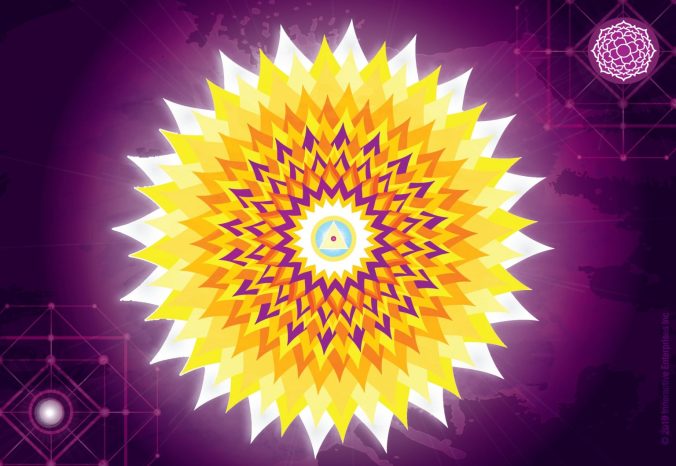
The Sahastrara Chakra is associated with the color violet, which represents spiritual connection, enlightenment, and higher states of consciousness. The symbol for this chakra is a thousand-petaled lotus flower, representing the infinite possibilities of the universe and the interconnectedness of all things. The seed sound for the Sahastrara Chakra is “OM” or “AUM”.

Aspects and Functions:

1. Spiritual Connection: The Sahastrara Chakra governs our spiritual connection, including our ability to access higher states of consciousness and connect with the divine.

2. Enlightenment: This chakra is associated with enlightenment, including our ability to transcend the limitations of the ego and access higher levels of awareness.

3. Higher States of Consciousness: The Sahastrara Chakra influences our ability to access higher states of consciousness, including meditation, psychedelic experiences, and spiritual awareness.

4. Unity and Interconnectedness: It is also associated with our sense of unity and interconnectedness, including our ability to see beyond the boundaries of the individual self and connect with the universe as a whole.

Characteristics and Traits:

When the Sahastrara Chakra is balanced and functioning properly, an individual exhibits the following traits:

1. Spiritually Aware: They are spiritually aware, with a deep understanding of the nature of reality and their place in the universe.

2. Enlightened: They are enlightened, with a sense of transcendence and unity with the universe.

3. Higher States of Consciousness: They are able to access higher states of consciousness, including meditation, psychedelic experiences, and spiritual awareness.

4. Compassionate and Wise: They are compassionate and wise, with a deep understanding of the human condition and the interconnectedness of all things.

Imbalances and Blockages:

When the Sahastrara Chakra is imbalanced or blocked, it can lead to various issues, including:

1. Spiritual Disconnection: Feeling disconnected from one’s spiritual nature, or struggling with spiritual doubts and uncertainties.

2. Ego Attachment: Being overly attached to the ego, including a sense of separation and disconnection from the universe.

3. Limited Awareness: Having a limited sense of awareness, including a lack of understanding of the nature of reality and the interconnectedness of all things.

4. Lack of Compassion: Struggling with a lack of compassion, empathy, or understanding for others.

Healing and Balancing Techniques:

To heal and balance the Sahastrara Chakra, try the following practices:

1. Meditation: Practice meditation, including techniques such as visualization, mantra repetition, or mindfulness meditation.

2. Yoga: Engage in yoga practices, including postures, breathwork, and energy work, to balance and align the body’s energy.

3. Spiritual Study: Study spiritual texts, teachings, and philosophies to deepen your understanding of the nature of reality and the universe.

4. Gemstones and Crystals: Work with violet or purple gemstones, such as amethyst, charoite, or sugilite, which are associated with the Crown Chakra.

5. Aromatherapy: Use essential oils like frankincense, sandalwood, or lavender, which promote relaxation, spiritual awareness, and higher states of consciousness.

Activating the Sahastrara Chakra:

To activate and awaken the Sahastrara Chakra, try the following:

1. Meditation and Visualization: Practice meditation and visualization techniques to activate the Crown Chakra and access higher states of consciousness.

2. Spiritual Practices: Engage in spiritual practices, such as prayer, chanting, or energy work, to deepen your spiritual connection and sense of unity with the universe.

3. Yoga and Breathwork: Practice yoga and breathwork to balance and align the body’s energy and prepare for higher states of consciousness.

4. Self-Inquiry: Engage in self-inquiry, including introspection and self-reflection, to deepen your understanding of the nature of reality and the self.

5. Chakra-Specific Rituals: Perform rituals that honor the Crown Chakra, such as a meditation ceremony or a ritual to activate the pineal gland.

By understanding and working with the Sahastrara Chakra, you can cultivate spiritual connection, enlightenment, and higher states of consciousness, leading to greater unity, compassion, and wisdom.

« Older posts Newer posts »
Back a Buddy Show your Support