See and understand that each of your finger is a channel for the healing power of the universe, and that as you touch the world, you are changing and transferring this loving energy and you are healing everyone and everything.

Author: gcstellenbosch (Page 7 of 55)

Loving-Kindness Meditation

Loving-Kindness Meditation: Cultivate feelings of love, compassion, and kindness towards yourself and others, promoting emotional balance and warmth.

Loving-Kindness Meditation, also known as Metta Meditation, is a beautiful practice that cultivates feelings of love, compassion, and kindness towards oneself and others.

What is Loving-Kindness Meditation?

Loving-Kindness Meditation is a type of meditation that involves repeating phrases or mantras to yourself and others, with the intention of cultivating loving-kindness, compassion, and understanding. The practice typically begins with directing kindness towards oneself, then towards friends, neutral people, and eventually towards those you may have difficulty with.

Benefits of Loving-Kindness Meditation

1. Increases feelings of love and compassion: Regular practice can increase positive emotions, such as love, compassion, and empathy.

2. Reduces stress and anxiety: Loving-Kindness Meditation can help calm the mind and reduce stress and anxiety.

3. Improves relationships: By cultivating kindness and understanding towards others, you can improve your relationships and interact with others more positively.

4. Enhances self-acceptance: Practicing loving-kindness towards yourself can increase self-acceptance, self-esteem, and self-compassion.

5. Increases positive social connections: Loving-Kindness Meditation can increase feelings of social connection and community.

How to Practice Loving-Kindness Meditation

1. Find a quiet and comfortable space: Identify a quiet, comfortable, and distraction-free spot where you can sit and meditate.

2. Set aside a regular time: Commit to a regular meditation practice, ideally at the same time each day.

3. Start with yourself: Begin by directing kindness towards yourself, repeating phrases such as:

* “May I be happy”

* “May I be healthy”

* “May I be at peace”

4. Move to friends and loved ones: Direct kindness towards friends and loved ones, repeating phrases such as:

* “May they be happy”

* “May they be healthy”

* “May they be at peace”

5. Include neutral people: Direct kindness towards neutral people, such as acquaintances or strangers, repeating the same phrases.

6. Include those you may have difficulty with: Finally, direct kindness towards those you may have difficulty with, repeating the same phrases.

7. End with a sense of compassion: Conclude your meditation by cultivating a sense of compassion and understanding towards all beings.

Tips for Establishing a Loving-Kindness Meditation Practice

1. Be patient and consistent: Develop a regular practice, and be patient with yourself as you cultivate loving-kindness.

2. Start small: Begin with short sessions and gradually increase the duration.

3. Find a meditation community: Connect with others who practice loving-kindness meditation to stay motivated and inspired.

4. Incorporate loving-kindness into daily activities: Bring loving-kindness into your daily routine by practicing random acts of kindness and compassion towards others.

Remember, the key to Loving-Kindness Meditation is to approach the practice with an open and compassionate heart. With regular practice, you can experience the many benefits of loving-kindness meditation and cultivate a greater sense of love, compassion, and understanding in your life.


 

The importance of setting Clear Boundaries and creating a safe and Sacred Space for Healing for males and female.

Setting clear boundaries and creating a safe, sacred space for healing is essential for both males and females, yet it often serves different psychological and emotional needs for each. When done well, it becomes the foundation for deep transformation, trust, and self-restoration.


1. Why Boundaries Matter in Healing

Boundaries are not walls; they are containers for safety. They define what is allowed, what is respected, and what is protected.

Healthy boundaries:

  • Prevent re-traumatization

  • Restore a sense of control and autonomy

  • Clarify responsibility (what is mine vs. what is yours)

  • Create emotional predictability, which calms the nervous system

For people who have experienced abandonment, betrayal, abuse, or rejection, unclear boundaries often feel like danger.


2. Creating a Safe and Sacred Healing Space

A healing space becomes sacred when it is:

  • Consistent (no emotional ambushes)
  • Non-judgmental
  • Confidential
  • Emotionally regulated
  • Respectful of pace and readiness

This space tells the body and subconscious:

“You are safe here. You are not being used. You are not being rushed. You matter.”

Healing happens when the nervous system feels safe enough to soften.


3. Healing Needs of Women: Safety, Voice, and Emotional Permission

Many women carry wounds related to:

  • Emotional or verbal abuse
  • Manipulation
  • Fear of rejection
  • Loss of voice or self-trust

For women, boundaries often restore:

  • Emotional safety
  • The right to say no without punishment
  • The freedom to feel without being minimized
  • The ability to trust intuition again

A sacred space for women emphasizes:

  • Being heard without fixing
  • Emotional validation
  • Gentle pacing
  • Respect for vulnerability

When boundaries are honored, a woman can move from hyper-vigilance to receptivity, from survival to softness.


4. Healing Needs of Men: Emotional Safety, Permission, and Respect

Many men were conditioned to:

  • Suppress emotions
  • “Be strong” at all costs
  • Avoid vulnerability to prevent shame
  • Measure worth through performance or control

For men, boundaries often provide:

  • Permission to feel without judgment
  • Safety from ridicule or emotional invalidation
  • Clear roles and expectations
  • Respect for personal space and processing time

A sacred space for men includes:

  • Emotional expression without loss of dignity
  • Clear structure
  • Freedom from pressure to “fix” or “lead”
  • Acceptance of silence as part of healing

When boundaries are clear, men can shift from emotional shutdown to emotional presence.


5. Why Boundaries Heal the Nervous System

Trauma lives in the body. Boundaries help regulate:

  • Fight-or-flight responses
  • Freeze or collapse states
  • Emotional flooding

Clear boundaries tell the subconscious:

  • “I am not in danger.”
  • “I have choice.”
  • “I am respected.”

This allows integration instead of survival.


6. Shared Benefits for Both Males and Females

When boundaries and sacred space are present:

  • Trust deepens
  • Shame dissolves
  • Authentic expression emerges
  • Old patterns lose power
  • Self-respect is restored

Healing becomes relationally safe, not isolating.


7. The Deeper Truth

Boundaries are not about control.

They are about self-honour.

A sacred healing space is not created by perfection, but by presence, integrity, and respect.

  • When people feel safe, they heal.
  • When they feel seen, they soften.
  • When boundaries are honored, the soul opens.

Rediscover your Healer’s Touch with Hypnotherapy

Here’s a script for a hypnotherapy session focused on rediscovering your healer’s touch:

Introduction

(Soothing music starts playing. Speak in a calm, gentle voice)

“Welcome to this hypnotherapy session, where you’ll rediscover your healer’s touch. Allow yourself to settle in, get comfortable, and take a deep breath in through your nose and out through your mouth. Feel the air fill your lungs, and then release any tension or stress as you exhale.

Imagine yourself in a peaceful, serene environment, surrounded by nature’s beauty. Notice the sensations in your body, the sounds around you, and the sensation of the air on your skin. Take another deep breath in, and as you exhale, allow any worries or concerns to melt away.”

Induction

“Close your eyes, and take a deep breath in. As you inhale, imagine fresh, calming energy entering your body. As you exhale, imagine any doubts or fears leaving your body. Repeat this process a few times, allowing yourself to relax further with each breath.

Now, imagine yourself standing at the top of a staircase. With each step down, you’ll become more relaxed, more focused, and more connected to your inner healer. Take the first step down, and feel your body relax a bit more. Take the second step down, and notice your mind quieting. Take the third step down, and sense your heart opening up to its full potential.

As you reach the bottom of the stairs, imagine yourself in a peaceful, safe space. You’re surrounded by a warm, comforting light that fills you with a sense of calm and tranquility.”

Deepening

“Imagine this light growing brighter, filling your entire body with its soothing energy. As it spreads, it dissolves any tension, any stress, or any doubts you may have. You feel your muscles relaxing, your mind quieting, and your heart opening up to its full potential.

Now, bring to mind a memory of a time when you felt fully connected to your healer’s touch. It could be a moment when you helped someone, or when someone helped you. Recall the sensations, the emotions, and the thoughts you experienced during that moment. Allow yourself to relive that experience, and feel the sense of compassion, empathy, and understanding that comes with it.

As you relive this memory, imagine that you’re absorbing the essence of your healer’s touch. You’re rediscovering the qualities that make you a compassionate, caring, and skilled healer. Allow these qualities to grow stronger, to become more vibrant, and to fill you with confidence and purpose.”

Healer’s Touch Visualization

“Imagine that you’re now surrounded by a warm, golden light. This light represents your healer’s touch, and it’s filling you with its nurturing energy. As you breathe in, imagine that you’re inhaling this light, and it’s spreading throughout your body.

Visualize your hands, filled with this golden light. See them glowing with an otherworldly energy, as if they’re infused with the power to heal and comfort. Imagine that you’re using your hands to touch someone who needs your help. It could be a friend, a family member, or even yourself.

As you touch this person, imagine that your healer’s touch is flowing through you, filling them with calm, comfort, and peace. See their face relax, their body unwind, and their spirit lift. Know that you’re making a positive difference in their life, and that your touch is a source of healing and comfort.

Repeat the following phrase to yourself, allowing its truth to sink deep into your mind and heart: ‘I am a skilled and compassionate healer, and my touch has the power to comfort and transform.'”

Counting Up and Grounding

“Take a deep breath in, and as you exhale, imagine that you’re slowly coming back to the present moment. Take a moment to notice how you’re feeling, and acknowledge any shifts or insights you’ve experienced during this session.

When you’re ready, slowly open your eyes. Take a deep breath in, and as you exhale, say to yourself: ‘I am refreshed, renewed, and ready to share my healer’s touch with the world.’

Take a moment to stretch, to move your body, and to ground yourself in the present moment. Notice the sensations in your feet, the sounds around you, and the sensation of the air on your skin. Know that you’re back in your body, and that you’re ready to integrate the insights and feelings from this session into your daily life.”

Closing

“Remember, your healer’s touch is always within you, waiting to be rediscovered and shared with others. Trust in your abilities, trust in your compassion, and trust in the power of your touch to comfort and transform. Take one final, deep breath in, and when you’re ready, slowly get up and go about your day with a sense of purpose, clarity, and connection to your inner healer.”

Everything about the Anahata Chakra – Heart Chakra

The Anahata Chakra, also known as the Heart Chakra, is the fourth energy center in the human body, located in the center of the chest. It plays a vital role in our emotional, social, and spiritual well-being, and is associated with feelings of love, compassion, and connection. Here’s an in-depth look at the Anahata Chakra:

Location and Position:

The Anahata Chakra is situated in the center of the chest, near the heart, and is associated with the cardiac plexus, a complex network of nerves that regulates heart function.

Name and Meaning:

The term “Anahata” is derived from two Sanskrit words: “An” meaning “unstruck” or “unbeaten,” and “Hata” meaning “sound” or “tone.” This name signifies the chakra’s role as a center of emotional balance, harmony, and spiritual connection.

Color and Symbolism:

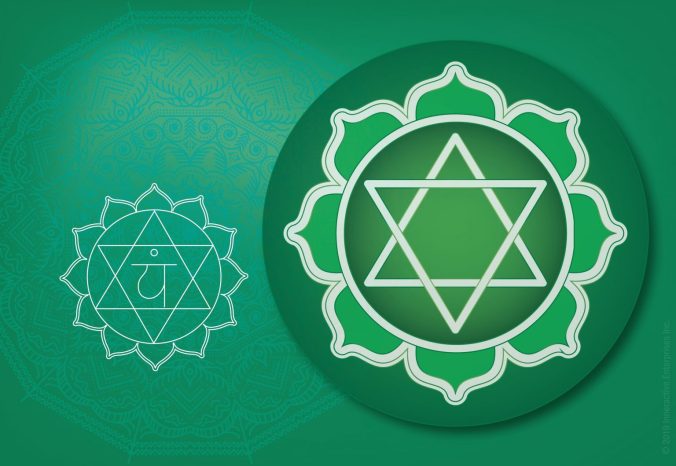
The Anahata Chakra is associated with the color green, which represents balance, harmony, and growth. The symbol for this chakra is a twelve-petaled lotus flower, representing the twelve virtues of the heart, including love, compassion, and forgiveness. The seed sound for the Anahata Chakra is “YAM.”

Aspects and Functions:

1. Emotional Balance: The Anahata Chakra governs our emotional balance, influencing our ability to experience and express emotions in a healthy way.

2. Love and Compassion: This chakra is associated with feelings of love, compassion, and connection, and plays a role in our ability to form and maintain healthy relationships.

3. Social Connection: The Anahata Chakra influences our social connections and relationships, including our ability to communicate effectively, empathize with others, and build strong bonds.

4. Spiritual Connection: It is also associated with our spiritual connection, influencing our sense of purpose, meaning, and connection to something greater than ourselves.

Characteristics and Traits:

When the Anahata Chakra is balanced and functioning properly, an individual exhibits the following traits:

1. Emotionally Balanced: They are able to experience and express emotions in a healthy way, and are less reactive to stress and challenges.

2. Loving and Compassionate: They are able to give and receive love, and are compassionate and empathetic towards others.

3. Socially Connected: They have strong, healthy relationships, and are able to communicate effectively and build strong bonds with others.

4. Spiritually Connected: They have a sense of purpose and meaning, and are connected to something greater than themselves.

Imbalances and Blockages:

When the Anahata Chakra is imbalanced or blocked, it can lead to various issues, including:

1. Emotional Instability: Experiencing mood swings, anxiety, or emotional turmoil.

2. Relationship Problems: Struggling with relationships, including difficulties with communication, intimacy, or emotional connection.

3. Lack of Empathy: Being unable to understand or connect with others, and struggling with empathy or compassion.

4. Spiritual Disconnection: Feeling disconnected from something greater than oneself, and lacking a sense of purpose or meaning.

Healing and Balancing Techniques:

To heal and balance the Anahata Chakra, try the following practices:

1. Yoga and Breathwork: Practice yoga postures that target the heart center, such as camel pose, cat-cow pose, or shoulder stands. Engage in deep, diaphragmatic breathing exercises to stimulate the Anahata Chakra.

2. Meditation and Visualization: Practice guided meditations that focus on emotional balance, love, and compassion. Visualize a bright, green light at the heart center, and imagine yourself surrounded by loving energy.

3. Self-Reflection and Journaling: Engage in self-reflection and journaling to explore your emotions, relationships, and spiritual connection. Write down your thoughts, feelings, and insights, and reflect on your progress and challenges.

4. Gemstones and Crystals: Work with green or pink gemstones, such as emerald, rose quartz, or green aventurine, which are associated with the Heart Chakra.

5. Aromatherapy: Use essential oils like rose, lavender, or geranium, which promote emotional balance, love, and compassion.

Activating the Anahata Chakra:

To activate and awaken the Anahata Chakra, try the following:

1. Heart-Centered Meditation: Practice meditation techniques that focus on the heart center, such as loving-kindness meditation or transcendental meditation.

2. Self-Love and Self-Care: Practice self-love and self-care, including activities that nourish your body, mind, and spirit, such as yoga, massage, or spending time in nature.

3. Relationship Building: Cultivate healthy, loving relationships, and focus on building strong bonds with others.

4. Volunteer Work: Engage in volunteer work or community service, which can help you connect with others and cultivate a sense of compassion and empathy.

5. Chakra-Specific Rituals: Perform rituals that honor the heart center, such as a rose petal ceremony or a ritual to release emotional blockages.

By understanding and working with the Anahata Chakra, you can cultivate emotional balance, love, and compassion, leading to greater connection, harmony, and spiritual growth.

Universal Compassion

Universal compassion is the practice of feeling and showing compassion towards all beings, regardless of their background, culture, or circumstances. It’s the ability to see the interconnectedness of all life and to recognize that we are all part of a larger web of relationships.

What is Universal Compassion?

Universal compassion is a state of being that transcends individual perspectives and empathizes with the suffering and struggles of all beings. It’s the ability to see the world from a universal perspective, recognizing that we are all connected and that our actions have an impact on others.

Why is Universal Compassion Important?

Universal compassion is essential for several reasons:

1. Global understanding: Universal compassion promotes global understanding and empathy, helping to break down cultural and social barriers.

2. Environmental awareness: Universal compassion encourages us to recognize the interconnectedness of all life and to take care of the environment, which is essential for the well-being of all beings.

3. Conflict resolution: Universal compassion can help to resolve conflicts and promote peace, as it encourages us to see things from other perspectives and to understand the struggles and suffering of others.

4. Personal growth: Universal compassion can lead to personal growth and transformation, as it helps us to develop a greater sense of empathy, understanding, and compassion for all beings.

5. Spiritual evolution: Universal compassion is a key aspect of spiritual evolution, as it helps us to recognize our place in the universe and to connect with something greater than ourselves.

How to Practice Universal Compassion

Practicing universal compassion involves several key elements:

1. Meditation and mindfulness: Practice meditation and mindfulness to develop a greater sense of awareness and connection to the world around you.

2. Empathy and understanding: Cultivate empathy and understanding for all beings, recognizing that we are all connected and that our actions have an impact on others.

3. Gratitude and appreciation: Focus on the things that you are grateful for, and cultivate a sense of appreciation for the beauty and diversity of the world around you.

4. Compassionate action: Take compassionate action in the world, volunteering, donating to charities, and supporting causes that promote the well-being of all beings.

5. Self-reflection and self-awareness: Engage in self-reflection and self-awareness, recognizing your own biases and limitations, and working to overcome them.

Exercises for Universal Compassion

Here are some exercises to help you cultivate universal compassion:

1. Loving-kindness meditation: Practice loving-kindness meditation, focusing on sending kindness and compassion to all beings.

2. Universal compassion mantra: Repeat a universal compassion mantra, such as “May all beings be happy, may all beings be healthy, may all beings be at peace.”

3. Nature connection: Spend time in nature, recognizing the interconnectedness of all life and the beauty and diversity of the natural world.

4. Volunteer work: Engage in volunteer work or community service, helping to promote the well-being of all beings and cultivating a sense of compassion and connection.

5. Global awareness: Stay informed about global issues and events, recognizing the interconnectedness of all life and the impact of our actions on others.

Challenges to Universal Compassion

While universal compassion is essential for promoting global understanding and empathy, there are several challenges that may arise:

1. Cultural and social barriers: Cultural and social barriers can make it difficult to connect with others and to understand their perspectives and experiences.

2. Personal biases and limitations: Personal biases and limitations can make it challenging to cultivate universal compassion, as we may struggle to see things from other perspectives and to understand the struggles and suffering of others.

3. Global conflicts and challenges: Global conflicts and challenges can make it difficult to cultivate universal compassion, as we may feel overwhelmed and disillusioned by the state of the world.

4. Environmental degradation: Environmental degradation can make it challenging to cultivate universal compassion, as we may feel disconnected from the natural world and unaware of the impact of our actions on the environment.

Overcoming Challenges to Universal Compassion

To overcome these challenges, remember that:

1. Universal compassion is a practice: It takes time and effort to develop universal compassion, and it’s okay to start small.

2. Be patient and understanding: Treat others with patience and understanding, recognizing that we are all connected and that our actions have an impact on others.

3. Seek common ground: Look for common ground and shared interests with others, even if you disagree on certain issues.

4. Practice self-reflection and self-awareness: Engage in self-reflection and self-awareness, recognizing your own biases and limitations, and working to overcome them.

Remember, universal compassion is a journey, and it’s okay to take it one step at a time. By cultivating universal compassion, you can promote global understanding and empathy, and contribute to a more harmonious and compassionate world.

« Older posts Newer posts »
Back a Buddy Show your Support