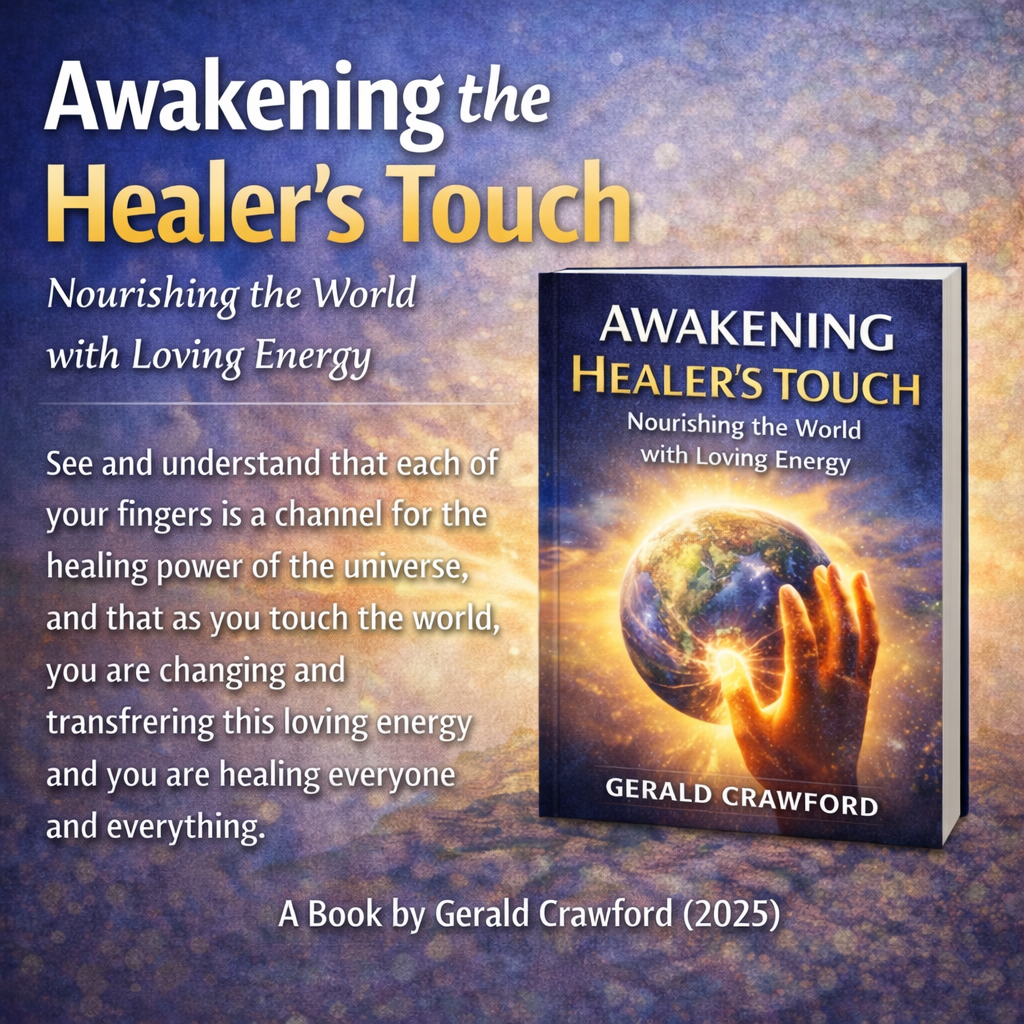
See and understand that each of your finger is a channel for the healing power of the universe, and that as you touch the world, you are changing and transferring this loving energy and you are healing everyone and everything.

Author: gcstellenbosch (Page 4 of 55)

Healing Program for your Stomach, Gut and Digestive System Pain – Gut / Intestines Pain

Pain in the gut or intestines often reflects unprocessed emotions, holding onto the past, or control issues. The body “stores” emotional residue in the gut, and tension here can manifest as cramps, bloating, or general discomfort. Healing the underlying emotional and subconscious blocks can greatly ease gut pain. Here’s a targeted healing program:


Healing Program for Gut / Intestines Pain

1. Awareness & Mind-Body Connection

Goal: Recognize how unprocessed emotions and control issues are manifesting physically.

  • Body Scan: Sit or lie comfortably. Place your hands over your lower abdomen. Notice tightness, heaviness, or discomfort.

  • Emotional Check-In: Ask yourself:

    • “What emotions am I holding onto that I haven’t processed?”

    • “What past experiences am I resisting or refusing to release?”

    • “Where am I trying to control life or people instead of letting go?”

  • Journaling Prompt:

    • “What part of my past am I still carrying?”

    • “What emotions am I refusing to feel or release?”

Insight: Gut pain often mirrors emotional “stagnation” or an attempt to control what cannot be controlled.


2. Emotional Release

Goal: Safely process unprocessed emotions and release past burdens.

  • Tapping (EFT) Exercise: Focus on gut area:

    • “Even though I am holding onto past pain, I deeply and completely accept myself.”

    • “Even though I feel tension in my gut, I allow myself to release what no longer serves me.”

  • Writing Exercise: Write a letter expressing unresolved feelings from past events. You can symbolically release it by tearing, burning, or discarding the paper.

  • Visualization: Imagine your intestines filled with warm, healing light that dissolves old, stuck emotions.


3. Breathwork & Gut Relaxation

Goal: Release tension and support digestive health while calming the nervous system.

  • Diaphragmatic Breathing:

    • Inhale deeply through the nose, expanding the belly fully.

    • Exhale slowly through the mouth, imagining tension and past burdens leaving the gut.

    • Repeat 5–10 times, focusing on letting go.

  • Twisting & Stretching:

    • Gentle seated or lying spinal twists massage the intestines and release tension.

    • Yoga poses like Supine Twist, Child’s Pose, and Wind-Relieving Pose.


4. Mindfulness & Letting Go

Goal: Release control and resistance to life’s flow.

  • Meditation: Visualize life flowing smoothly through you, as water moves through a river, letting go of the need to control outcomes.

  • Affirmations:

    • “I release the past and allow life to flow freely through me.”

    • “I trust the natural flow of life and let go of control.”

  • Daily Reflection: Ask: “Where did I resist today, and how can I soften?”


5. Processing the Past

Goal: Heal lingering emotional patterns affecting the gut.

  • Memory Release Exercise: Recall a past event that still causes tension. Visualize yourself sending love and forgiveness to yourself and others involved.

  • Gratitude Shift: Focus on lessons learned, not what still hurts, to transform emotional energy.


6. Physical Support

Goal: Support gut health while emotional healing occurs.

  • Gentle abdominal massage clockwise to support digestion and release tension.

  • Warm compresses or heating pads on the abdomen for comfort.

  • Mindful eating and hydration to reduce additional strain.

  • Light movement or yoga to improve gut motility and circulation.


7. Daily Integration

Goal: Connect emotional healing to physical relief.

  • Evening check-in:

    • “What emotions did I acknowledge and release today?”

    • “Did my gut feel lighter or more relaxed?”

  • Track patterns over time: as emotional release and letting go improves, gut discomfort often diminishes.


Key Principle: Gut and intestinal pain often signal unprocessed emotions, attachment to the past, or control struggles. By acknowledging emotions, releasing old patterns, and practicing trust in life’s flow, you restore physical and emotional ease.


Healing Program for your Stomach, Gut and Digestive System Pain – Stomach Pain / Nausea Pain

Pain in the stomach, gut, or digestive system often mirrors anxiety, fear of the future, or difficulty “digesting” life experiences. The body reflects unresolved mental and emotional tension through physical discomfort, nausea, or digestive disturbances. Healing emotional and subconscious patterns can greatly relieve stomach pain. Here’s a targeted healing program:


Healing Program for Stomach / Gut Pain

1. Awareness & Mind-Body Connection

Goal: Identify the emotional and subconscious roots of digestive discomfort.

  • Body Scan: Sit or lie comfortably. Place your hands over your stomach and notice sensations: tightness, churning, or discomfort.

  • Emotional Check-In: Ask yourself:

    • “What worries or fears am I holding about the future?”

    • “What experiences or emotions am I struggling to process?”

  • Journaling Prompt:

    • “What in my life feels hard to digest or accept?”

    • “Where am I resisting change or uncertainty?”

Insight: Stomach pain is often a physical manifestation of mental and emotional tension—anxiety literally gets “stuck in the gut.”


2. Emotional Release

Goal: Process anxiety, fear, and emotional resistance.

  • Tapping (EFT) Exercise: Focus on stomach area:

    • “Even though I feel anxious and unsettled in my stomach, I deeply and completely accept myself.”

    • “Even though I fear what is coming, I allow myself to release worry and tension.”

  • Journaling or Talking: Write down or speak aloud your fears, worries, or unresolved situations. Release them symbolically by burning or discarding the paper.

  • Visualization: Imagine your stomach filled with warm, calming light, dissolving knots and tension.


3. Breathwork & Gut Relaxation

Goal: Calm the nervous system and release tension in the digestive system.

  • Diaphragmatic Breathing:

    • Place hands on the stomach.

    • Inhale deeply so the stomach rises, exhale slowly so it falls.

    • Visualize tension leaving the gut with each exhale.

    • Repeat 5–10 times.

  • Ocean Breath / Ujjayi Breath: Focus on smooth, deep breaths to soothe the gut and mind.

  • Gentle twists or yoga poses (Seated Spinal Twist, Child’s Pose, Cat-Cow) to massage and relax the digestive organs.


4. Mindfulness & Acceptance

Goal: Help the mind and body process life situations more easily.

  • Meditation: Visualize life’s challenges flowing through you like water—absorbed, processed, and released without causing harm.

  • Affirmations:

    • “I can digest life with ease and clarity.”

    • “I release fear and trust the flow of life.”

  • Daily Reflection: Ask: “Where did I resist today, and how can I soften and accept it?”


5. Anxiety & Future-Fear Release

Goal: Address fear-based tension that affects digestion.

  • Grounding Exercise: Stand barefoot, feel the connection to the earth, and imagine fears flowing from your gut into the ground.

  • Future Visualization: Picture yourself navigating upcoming challenges calmly and confidently.

  • Boundary Practice: Identify what is within your control and what is not—release the rest.


6. Physical Support

Goal: Support digestive health while emotional healing occurs.

  • Gentle abdominal massage clockwise to stimulate digestion.

  • Warm compress on the stomach for comfort.

  • Hydrate well and consume calming herbal teas (chamomile, peppermint).

  • Eat mindfully, slowly, and with awareness.


7. Daily Integration

Goal: Connect emotional healing to physical relief.

  • Evening check-in:

    • “Where in my stomach did I feel tension today?”

    • “Did acknowledging my anxiety or releasing my fears ease my pain?”

  • Track patterns: as emotional and mental processing improves, stomach discomfort often diminishes.


Key Principle: Stomach and gut pain are physical mirrors of anxiety, fear, and difficulty processing life. By acknowledging fears, releasing emotional tension, and practicing acceptance, you allow your digestive system and body to relax naturally.

Healing Program for your Lungs and Breath Pain – Lungs / Breathing Issues Pain

Pain or tension in the lungs and breathing area often reflects suppressed sadness, fear of fully living, or feeling restricted/controlled. The body physically mirrors emotional restriction, grief, or unexpressed longing for freedom. Healing these emotional and spiritual blocks can deeply improve lung function, breathing, and vitality. Here’s a targeted healing program:


Healing Program for Lungs / Breathing Issues

1. Awareness & Mind-Body Connection

Goal: Recognize emotional or spiritual blocks reflected in your breath.

  • Body Scan: Sit or lie comfortably. Place your hands over your chest. Notice areas of tightness, heaviness, or shallow breathing.

  • Emotional Check-In: Ask:

    • “What sadness am I holding back?”

    • “Where do I feel restricted or controlled in my life?”

    • “What is stopping me from fully living?”

  • Journaling Prompt:

    • “If I allowed myself to breathe fully, what emotions would I feel?”

    • “Where in my life am I holding back my freedom or joy?”

Insight: Lung tension or shallow breathing often mirrors unexpressed sadness or fear of living fully.


2. Emotional Release

Goal: Release suppressed grief, sadness, and fear.

  • Tapping (EFT) Exercise: Focus on lungs/chest area:

    • “Even though I feel restricted in my chest, I deeply and completely accept myself.”

    • “Even though I hold sadness inside, I allow myself to feel and release it.”

  • Grief Expression: Write a letter to yourself or the situation causing sadness. Express feelings fully—cry if needed.

  • Vocal Release: Hum, sigh, or gently vocalize to release tension in the chest.


3. Breathwork & Energy Expansion

Goal: Expand lung capacity and release emotional blocks.

  • Deep Conscious Breathing:

    • Inhale slowly through the nose, expanding the chest fully.

    • Pause briefly.

    • Exhale fully through the mouth, imagining releasing sadness and restriction.

    • Repeat 5–10 times, visualizing energy flowing freely in the lungs.

  • Box Breathing: Inhale 4 counts → Hold 4 → Exhale 4 → Hold 4, to calm fear and nervous tension.

  • Movement: Gentle yoga poses that open chest and lungs (e.g., Camel Pose, Cobra, and Bridge).


4. Mindfulness & Emotional Acceptance

Goal: Allow yourself to fully feel and integrate suppressed emotions.

  • Meditation: Visualize the chest and lungs filled with warm, healing light, dissolving heaviness and restrictions.

  • Affirmations:

    • “I am safe to breathe fully and express my emotions.”

    • “I release restrictions and allow myself to live freely.”

  • Daily Reflection: Ask: “Where did I allow myself to fully experience life today?”


5. Boundary & Freedom Awareness

Goal: Release feelings of control or restriction in life.

  • Reflect on areas where you feel restricted—relationships, work, or self-imposed limits.

  • Practice setting small, clear boundaries to reclaim personal freedom.

  • Visualize inhaling freedom and exhaling restriction.


6. Physical Support

Goal: Support lung and respiratory health while healing emotionally.

  • Gentle chest and upper back stretches daily.

  • Warm showers or steam inhalation to loosen tension.

  • Stay hydrated and practice posture alignment to free the chest area.

  • Consider light aerobic activity (walking, yoga) to expand lung capacity gradually.


7. Daily Integration

Goal: Connect emotional release to physical breathing ease.

  • End each day with a 1–2 minute deep-breath reflection:

    • “Where in my chest did I feel tension today?”

    • “Did I allow myself to release sadness or fear?”

  • Track changes: over time, chest and lung tightness eases as emotional and spiritual blocks release.


Key Principle: Lung tension or restricted breathing reflects suppressed sadness, fear, or lack of freedom. By honoring grief, releasing fear, and opening to life fully, you restore vitality, emotional balance, and physical ease.

Healing Program for your Chest, Heart and Upper Back Pain – Upper Back / Shoulders Pain

Pain in the upper back and shoulders often reflects carrying emotional burdens, over-responsibility, or feeling unsupported. The body literally “carries the weight” of unprocessed emotions and responsibilities. Healing the underlying emotional and spiritual patterns can relieve this physical tension. Here’s a targeted healing program:


Healing Program for Upper Back / Shoulder Pain

1. Awareness & Mind-Body Connection

Goal: Recognize where emotional burdens and stress are manifesting physically.

  • Body Scan: Sit or lie down. Focus attention on your upper back and shoulders. Notice stiffness, heaviness, or tightness.

  • Emotional Check-In: Ask yourself:

    • “What am I carrying that is not mine to bear?”

    • “Where do I feel unsupported or over-responsible?”

  • Journaling Prompt:

    • “Which responsibilities are weighing me down unnecessarily?”

    • “What support do I need that I haven’t asked for?”

Insight: Upper back and shoulder tension often mirrors carrying more than your share of emotional or relational weight.


2. Emotional Release

Goal: Let go of burdens and acknowledge your feelings.

  • Tapping (EFT) Exercise: Focus on shoulder and upper back tension:

    • “Even though I feel weighed down by responsibility, I deeply and completely accept myself.”

    • “Even though I feel unsupported, I allow myself to release this burden.”

  • Letter of Release: Write a letter acknowledging the burdens you carry for others and symbolically release them (burn, tear, or discard).

  • Visualization: Imagine the weight being lifted off your shoulders and dissolving into light.


3. Breathwork & Physical Release

Goal: Relax shoulder and upper back muscles, release tension and trapped emotions.

  • Deep Shoulder Breathing:

    • Inhale slowly, raising shoulders gently toward ears.

    • Exhale fully, letting shoulders drop and tension release.

    • Repeat 5–10 times.

  • Stretching:

    • Shoulder rolls (forward and backward)

    • Cat-Cow pose for spine flexibility

    • Arm stretches across chest and overhead stretches

  • Gentle Massage: Focus on knots in upper back and shoulder blades to release physical and emotional tension.


4. Boundary & Responsibility Awareness

Goal: Release unnecessary burdens and reclaim personal energy.

  • Reflection Questions:

    • “Which responsibilities are truly mine?”

    • “What support do I need and haven’t asked for?”

  • Affirmations:

    • “I release what is not mine to carry.”

    • “It is safe to ask for support.”

  • Practical Step: Set one small boundary today where you usually overextend yourself.


5. Mindfulness & Emotional Integration

Goal: Increase self-compassion and connection to your own needs.

  • Meditation: Visualize shoulders as free and light, no longer burdened. Imagine emotional weight lifting and floating away.

  • Self-Compassion Practice: Speak kindly to yourself:

    • “I am allowed to rest.”

    • “I honor my limits and release burdens gently.”

  • Daily Reflection: Journal one area where you let go of unnecessary responsibility or allowed yourself support.


6. Relational & Spiritual Healing

Goal: Address feelings of being unsupported or over-responsible.

  • Reach out for support from friends, family, or community—express your needs clearly.

  • Visualize sending gratitude and forgiveness to anyone for whom you’ve carried unneeded burdens.

  • Practice energy release visualization: imagine your upper back filled with bright, light energy instead of weight.


7. Daily Integration

Goal: Connect emotional and relational healing to physical relief.

  • Evening Check-In: Notice if shoulders feel lighter after expressing boundaries or letting go of emotional weight.

  • Journal: Track moments of self-care, support received, or burdens released.


Key Principle: Upper back and shoulder pain signals emotional and relational overload. By releasing unnecessary responsibility, expressing needs, and practicing self-compassion, you free both your body and mind from tension.

Healing Program for your Chest, Heart and Upper Back Pain – Chest / Heart Area Pain

Pain in the chest, heart, or upper back often reflects emotional grief, heartbreak, or fear of vulnerability. The body holds unresolved emotional pain in these areas, signaling a need to process loss, open to healing, and restore emotional balance. Healing the emotional, relational, or spiritual aspects can profoundly relieve physical discomfort. Here’s a targeted healing program:


Healing Program for Chest / Heart Area Pain

1. Awareness & Mind-Body Connection

Goal: Recognize how grief, heartbreak, or fear of vulnerability manifests physically.

  • Body Scan: Sit or lie down and place your hands over your heart. Notice tightness, pressure, or heaviness without judgment.

  • Emotional Check-In: Ask yourself:

    • “What grief or loss am I carrying?”

    • “Where am I afraid to be vulnerable or express my feelings?”

  • Journaling Prompt:

    • “What am I holding onto that no longer serves me?”

    • “How has fear of rejection affected my heart?”

Insight: Heart and chest pain is often the body holding emotional weight. Acknowledgment is the first step toward release.


2. Emotional Release

Goal: Process grief, heartbreak, and emotional loss safely.

  • Tapping (EFT) Exercise: Focus on the chest area while voicing feelings:

    • “Even though my heart hurts, I deeply and completely accept myself.”

    • “Even though I fear vulnerability, I allow myself to feel and release my emotions.”

  • Letter to the Heart: Write a letter to yourself or the source of heartbreak. Express all emotions—grief, sadness, anger, or fear. This can be burned, buried, or simply stored as symbolic release.

  • Tear Therapy: Crying releases stored emotional tension—let your body express naturally.


3. Breathwork & Heart Opening

Goal: Release tension, expand emotional capacity, and increase oxygenation to the heart.

  • Deep Heart Breathing:

    • Place your hands over your heart.

    • Inhale slowly through the nose, imagining your chest expanding with light and healing energy.

    • Exhale through the mouth, releasing grief and tension.

    • Repeat 5–10 times.

  • Heart-Opening Postures:

    • Interlace hands behind your back, gently lift chest upward.

    • Lie on your back with a pillow under the shoulder blades to open the chest.


4. Mindfulness & Emotional Acceptance

Goal: Create space for vulnerability and self-compassion.

  • Meditation: Visualize a warm, glowing light in the chest area dissolving pain and fear.

  • Affirmations:

    • “I honor my grief and allow my heart to heal.”

    • “It is safe for me to be vulnerable and open to love.”

  • Daily Reflection: Ask: “Where did I resist feeling today? Can I soften that resistance?”


5. Relational & Spiritual Healing

Goal: Heal emotional wounds connected to relationships, heartbreak, and self-worth.

  • Forgiveness Practice: Forgive yourself and others for past emotional pain.

  • Compassion Exercise: Send loving energy to your heart area and to past relationships that caused hurt.

  • Gratitude Journaling: Even small moments of joy or support can slowly balance heart energy.


6. Physical Support

Goal: Support chest and upper back while emotional healing occurs.

  • Gentle upper back and shoulder stretches.

  • Warm compresses on the chest area to relax muscles and improve circulation.

  • Yoga or tai chi for heart-opening poses.

  • Maintain good posture to reduce physical strain that can amplify emotional tension.


7. Daily Integration

Goal: Connect emotional processing to physical relief.

  • At the end of each day, reflect:

    • “What grief, loss, or fear did I allow myself to feel today?”

    • “Did my chest feel lighter or more open after emotional acknowledgment?”

  • Track patterns of tension versus emotional processing to see gradual improvement.


Key Principle: Chest and heart pain often signal unresolved emotional loss, fear of vulnerability, or grief. By honoring emotions, practicing self-compassion, and opening to emotional expression, you release physical tension and restore energetic balance to the heart.

« Older posts Newer posts »
Back a Buddy Show your Support