
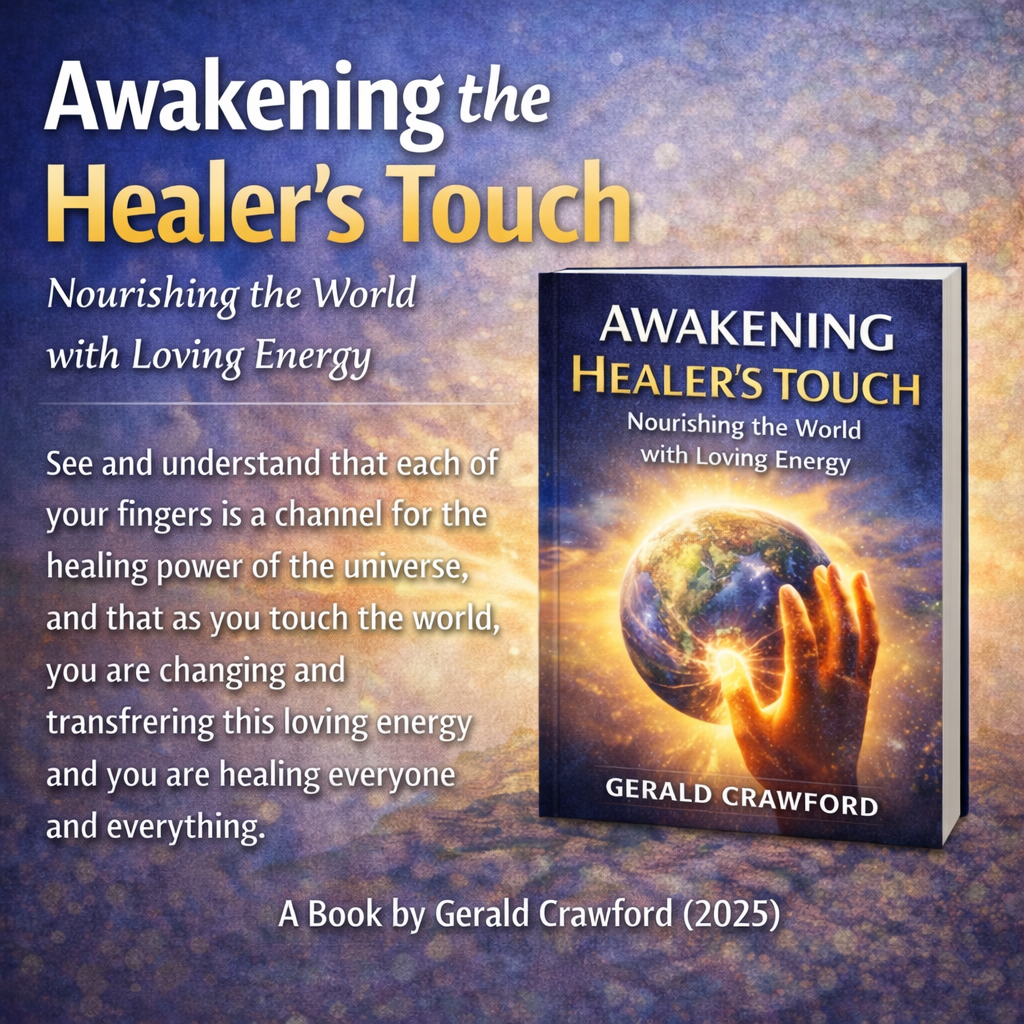
“The Healer’s Touch” is a thought-provoking topic that explores the concept of the sensory elements in the context of healing. The title suggests a deeper look into the relationship between the healer, the patient, and the sensory elements that can enhance the healing process.
The sensory elements play a crucial role in the healing process, as they can significantly influence the patient’s experience and outcome. The sensory elements can include:
1. Touch: Touch is a powerful sensory element that can convey comfort, empathy, and compassion. Healers can use touch to connect with patients, to reassure them, and to promote relaxation and calmness.
2. Sight: Sight is another important sensory element that can influence the healing process. Healers can use visual aids, such as images, colors, and light, to create a calming and soothing atmosphere, and to promote relaxation and focus.
3. Sound: Sound is a sensory element that can have a profound impact on the healing process. Healers can use music, nature sounds, or guided meditations to create a calming and soothing atmosphere, and to promote relaxation and focus.
4. Smell: Smell is a sensory element that can evoke emotions and memories, and can influence the healing process. Healers can use essential oils, aromatherapy, or scented candles to create a calming and soothing atmosphere, and to promote relaxation and well-being.
5. Taste: Taste is a sensory element that can influence the healing process, particularly in relation to nutrition and diet. Healers can use nutrition and diet to promote healing, and to support the patient’s overall well-being.
To incorporate the sensory elements into the healing process, healers can:
1. Create a soothing atmosphere: Create a soothing atmosphere that incorporates the sensory elements, such as calming music, soft lighting, and comfortable seating.
2. Use sensory-based therapies: Use sensory-based therapies, such as aromatherapy, massage, or guided meditation, to promote relaxation and calmness.
3. Incorporate natural elements: Incorporate natural elements, such as plants, flowers, or water, to create a calming and soothing atmosphere.
4. Use visualization techniques: Use visualization techniques, such as guided imagery or visualization exercises, to help patients focus and relax.
5. Encourage patient participation: Encourage patient participation, such as through meditation, deep breathing, or creative expression, to promote relaxation and well-being.
By incorporating the sensory elements into the healing process, healers can:
1. Promote relaxation and calmness: Promote relaxation and calmness, and reduce stress and anxiety.
2. Enhance patient engagement: Enhance patient engagement, and encourage patients to take an active role in their healing process.
3. Improve patient outcomes: Improve patient outcomes, by creating a supportive and nurturing environment that promotes healing and well-being.
4. Foster a sense of community: Foster a sense of community, by creating a shared experience that incorporates the sensory elements and promotes connection and understanding.
5. Support holistic healing: Support holistic healing, by incorporating the sensory elements into the healing process, and promoting a comprehensive approach to health and well-being.
As we explore “The Healer’s Touch” and the sensory elements, we begin to see the many ways in which the sensory elements can enhance the healing process, and promote greater relaxation, calmness, and well-being. By incorporating the sensory elements into the healing process, healers can provide more effective and compassionate care, and can support patients in their journey towards healing and wellness.



Leave a Reply