
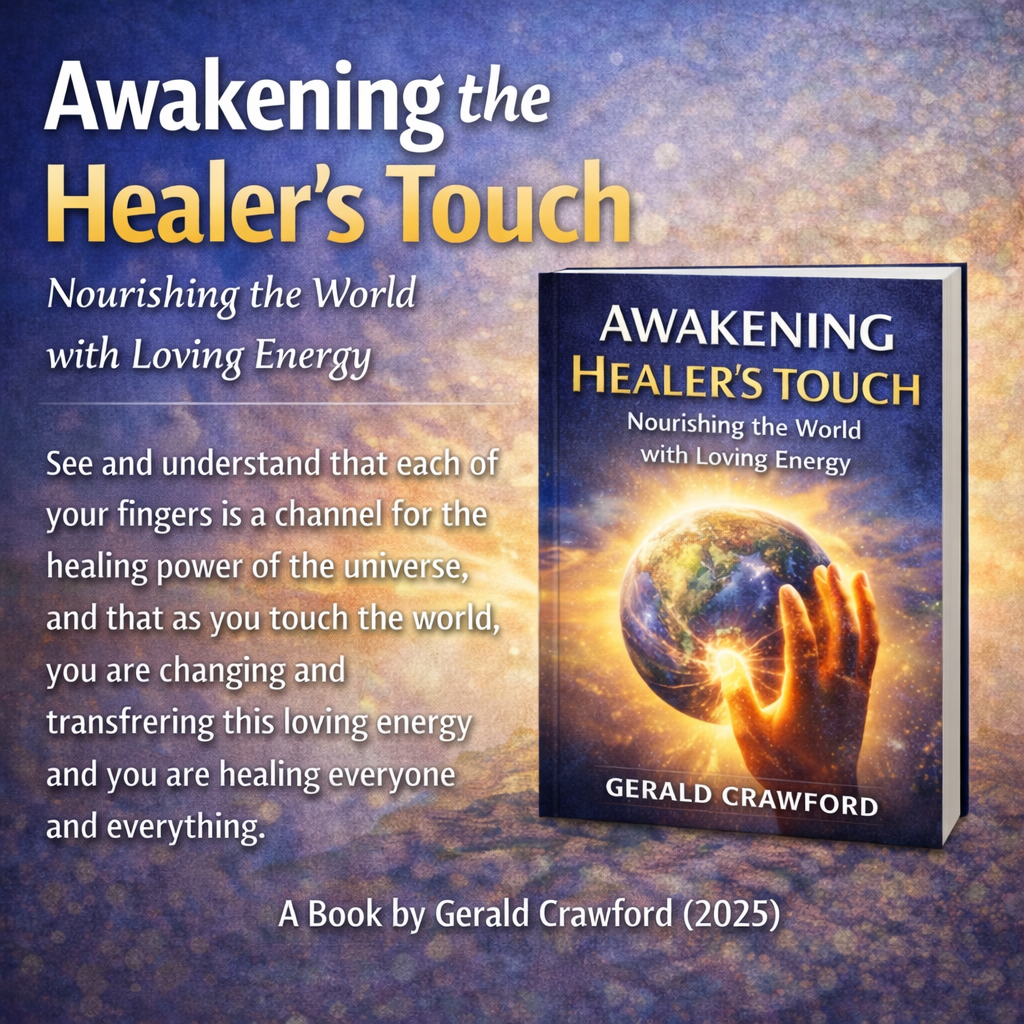
See and understand that each of your finger is a channel for the healing power of the universe, and that as you touch the world, you are changing and transferring this loving energy and you are healing everyone and everything.

Category: Touch and Healing (Page 2 of 2)

The role of Oxytocin in Touch and Healing

The role of oxytocin in touch and healing is a fascinating topic. Oxytocin, often referred to as the “cuddle hormone,” plays a vital role in social bonding, attachment, and healing.

What is Oxytocin?

Oxytocin is a naturally occurring hormone produced by the hypothalamus and released by the posterior pituitary gland. It is involved in various physiological and psychological processes, including:

1. Social bonding: Oxytocin promotes feelings of attachment, trust, and connection with others.

2. Pain relief: Oxytocin has analgesic properties, reducing pain perception and promoting relaxation.

3. Stress reduction: Oxytocin helps regulate stress response, reducing cortisol levels and promoting feelings of calmness.

4. Healing: Oxytocin stimulates the release of growth factors, promoting tissue repair and wound healing.

The Role of Oxytocin in Touch and Healing

Touch is a powerful stimulator of oxytocin release, which in turn promotes healing and relaxation. When we experience gentle, loving touch, our brain releases oxytocin, which:

1. Reduces stress and anxiety: Oxytocin calms the nervous system, reducing stress and anxiety.

2. Promotes relaxation: Oxytocin induces feelings of relaxation, reducing muscle tension and promoting deep breathing.

3. Enhances emotional connection: Oxytocin strengthens emotional bonds, fostering a sense of trust and connection with others.

4. Stimulates healing: Oxytocin promotes the release of growth factors, accelerating tissue repair and wound healing.

Therapeutic Applications of Oxytocin

Oxytocin’s role in touch and healing has significant implications for various therapeutic applications, including:

1. Massage therapy: Massage stimulates oxytocin release, reducing stress, anxiety, and pain, while promoting relaxation and healing.

2. Physical therapy: Oxytocin’s analgesic properties make it an effective adjunct to physical therapy, reducing pain and promoting tissue repair.

3. Psychological therapy: Oxytocin’s role in social bonding and attachment makes it a valuable tool in therapies addressing relationship issues, anxiety, and depression.

4. Wound care: Oxytocin’s ability to stimulate growth factors and tissue repair makes it a promising area of research for wound care and tissue engineering.

Conclusion

In conclusion, oxytocin plays a vital role in touch and healing, promoting social bonding, relaxation, and tissue repair. The therapeutic applications of oxytocin are vast, and continued research is likely to uncover new and innovative ways to harness its healing potential. By understanding the role of oxytocin in touch and healing, we can develop more effective and compassionate approaches to promoting overall well-being.

The role of Oxytocin in Touch and Healing

Oxytocin, often referred to as the “cuddle hormone,” plays a crucial role in touch and healing. This hormone is released during physical touch, social bonding, and other activities that promote feelings of warmth and connection. In the context of touch and healing, oxytocin has several important functions:

1. Promotes relaxation and reduces stress: Oxytocin has a calming effect on the body, reducing stress and anxiety by slowing down the heart rate, lowering blood pressure, and decreasing cortisol levels.

2. Enhances trust and bonding: Oxytocin is often released during physical touch, such as hugging, holding hands, or massage, which can strengthen social bonds and create a sense of trust and connection between individuals.

3. Fosters empathy and compassion: Oxytocin has been shown to increase empathy and compassion, allowing individuals to better understand and connect with others, which is essential for effective healing and therapy.

4. Supports wound healing: Oxytocin has been found to accelerate wound healing by promoting the release of growth factors, enhancing collagen synthesis, and improving tissue repair.

5. Reduces pain: Oxytocin has analgesic properties, reducing pain perception and promoting feelings of comfort and relaxation.

6. Regulates the immune system: Oxytocin has immunomodulatory effects, helping to regulate the immune system and prevent excessive inflammation.

7. Enhances emotional healing: Oxytocin is involved in emotional processing and can help individuals process and release emotional trauma, promoting emotional healing and well-being.

In the context of healing touch, oxytocin plays a crucial role in:

1. Massage therapy: Oxytocin is released during massage, promoting relaxation, reducing stress and anxiety, and enhancing feelings of trust and connection.

2. Energy healing: Oxytocin is involved in energy healing modalities, such as Reiki, Qigong, and acupuncture, which often involve physical touch or proximity.

3. Therapeutic touch: Oxytocin is released during therapeutic touch, such as holding hands or providing comfort, which can promote feelings of comfort, relaxation, and connection.

To maximize the benefits of oxytocin in touch and healing, consider the following:

1. Physical touch: Incorporate physical touch, such as hugging, holding hands, or massage, into your healing practice.

2. Emotional connection: Foster emotional connection and empathy with your clients or loved ones to enhance oxytocin release.

3. Relaxation and calmness: Create a calm and relaxing environment to promote oxytocin release and reduce stress.

4. Breathwork and meditation: Incorporate breathwork and meditation into your practice to enhance oxytocin release and promote relaxation.

5. Social bonding: Encourage social bonding and connection with others to enhance oxytocin release and promote feelings of trust and connection.

By understanding the role of oxytocin in touch and healing, you can harness its power to promote relaxation, reduce stress, and enhance emotional and physical well-being, I hope this information is helpful in your exploration of the healer’s touch and its connection to oxytocin.

Newer posts »
Back a Buddy Show your Support