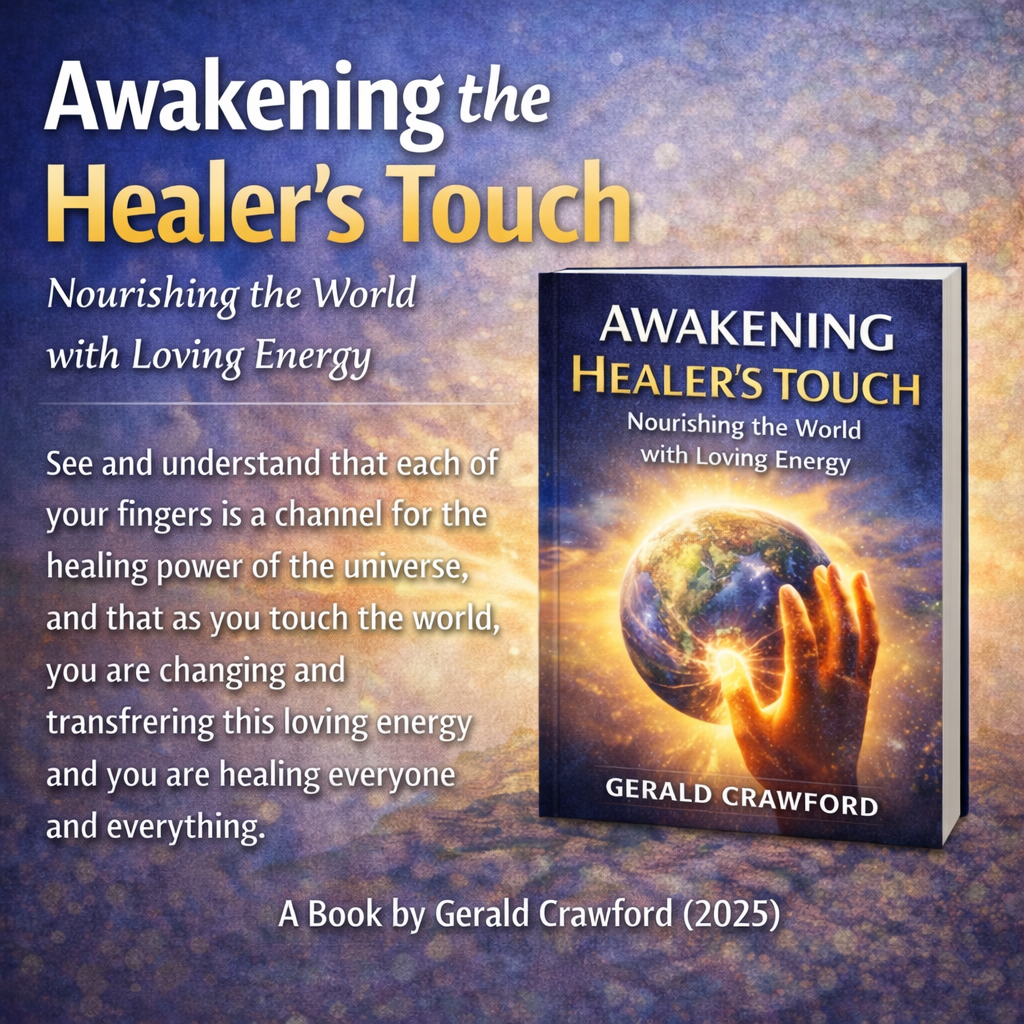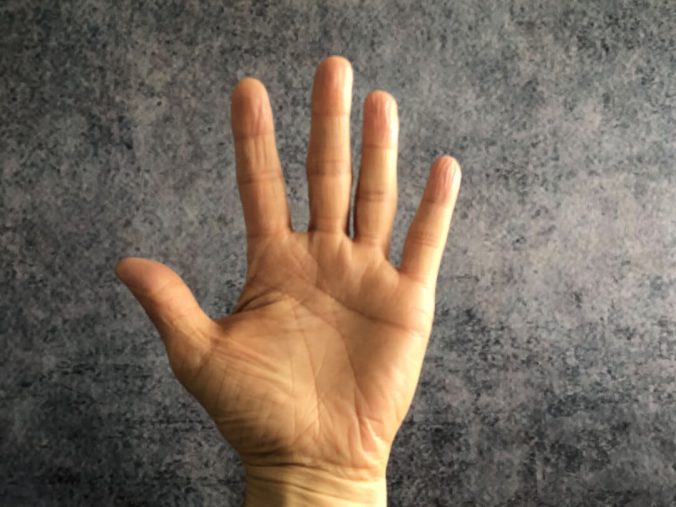
See and understand that each of your finger is a channel for the healing power of the universe, and that as you touch the world, you are changing and transferring this loving energy and you are healing everyone and everything.

Category: Touch and Healing (Page 1 of 2)

The power in the Five Elements are associated with the fingers: the thumb with fire, the index finger with air, the middle finger with space (ether), the ring finger with earth, and the little finger with water.

Power in traditional Chinese medicine, the five elements are associated with the fingers: the thumb with fire, the index finger with air, the middle finger with space (ether), the ring finger with earth, and the little finger with water.

Five elements and finger associations:

  • Thumb: Fire
  • Index finger: Air
  • Middle finger: Space or Ether
  • Ring finger: Earth
  • Little finger: Water

The Power of the Five Elements in Traditional Chinese Medicine

In traditional Chinese medicine, the five elements – wood, fire, earth, metal, and water – are believed to be the fundamental building blocks of the universe and are associated with various aspects of human life, including the body, emotions, and spirit. Each element is connected to a specific finger, and understanding these associations can help us tap into the power of the five elements and promote balance and harmony in our lives.

The Associations:

Thumb (Fire): The thumb is associated with the fire element, which represents energy, passion, and creativity. Fire is connected to the heart and small intestine meridians, and an imbalance in fire energy can lead to conditions such as anxiety, insomnia, and heart palpitations.

Index Finger (Air): The index finger is associated with the air element, which represents intellectual curiosity, communication, and social interaction. Air is connected to the lung and large intestine meridians, and an imbalance in air energy can lead to conditions such as respiratory problems, skin issues, and emotional instability.

Middle Finger (Space/Ether): The middle finger is associated with the space or ether element, which represents spiritual connection, intuition, and higher states of consciousness. Space is connected to the throat and thyroid meridians, and an imbalance in space energy can lead to conditions such as throat problems, hormonal imbalances, and spiritual disconnection.

Ring Finger (Earth): The ring finger is associated with the earth element, which represents stability, nourishment, and abundance. Earth is connected to the stomach and spleen meridians, and an imbalance in earth energy can lead to conditions such as digestive problems, weight issues, and emotional instability.

Little Finger (Water): The little finger is associated with the water element, which represents emotional depth, intuition, and spiritual connection. Water is connected to the kidney and bladder meridians, and an imbalance in water energy can lead to conditions such as urinary problems, fertility issues, and emotional instability.

The Power of the Five Elements:

The five elements are interconnected and interdependent, and each element has a specific role to play in maintaining balance and harmony in the body, emotions, and spirit. By understanding the associations between the elements and the fingers, we can:

Balance the Energy: By using specific techniques such as acupuncture, acupressure, or finger meditation, we can balance the energy of each element and promote harmony in the body, emotions, and spirit.

Heal the Body: By understanding the connections between the elements and the body, we can use the five elements to diagnose and treat various health conditions, such as digestive problems, respiratory issues, and emotional instability.

Cultivate Emotional Balance: By understanding the connections between the elements and the emotions, we can use the five elements to cultivate emotional balance, manage stress, and promote emotional well-being.

Connect with Spirit: By understanding the connections between the elements and the spirit, we can use the five elements to connect with our higher selves, cultivate spiritual awareness, and promote spiritual growth and development.

Practical Applications:

Finger Meditation: Use the associations between the elements and the fingers to meditate and balance the energy of each element. For example, to balance fire energy, focus on the thumb and imagine a warm, golden light flowing into the body.

Acupressure: Use the associations between the elements and the fingers to apply acupressure techniques and balance the energy of each element. For example, to balance earth energy, apply pressure to the ring finger and imagine a stabilizing, grounding energy flowing into the body.

Elemental Exercises: Use the associations between the elements and the fingers to create exercises that balance and harmonize the energy of each element. For example, to balance air energy, practice deep breathing exercises and imagine a refreshing, invigorating energy flowing into the body.

By understanding the power of the five elements and their associations with the fingers, we can tap into the ancient wisdom of traditional Chinese medicine and promote balance, harmony, and well-being in our lives. I hope this explanation helps you understand the power of the five elements in traditional Chinese medicine.

This article is written to promote and support:

Awakening the Healer’s Touch: Nourishing the World with Loving Energy – A Book by Gerald Crawford (2025)

See and understand that each of your finger is a channel for the healing power of the universe, and that as you touch the world, you are changing and transferring this loving energy and you are healing everyone and everything.

Please have a look at:

The role of Neurotransmitters in Touch and Healing

The role of neurotransmitters in touch and healing is a fascinating topic. Neurotransmitters are chemical messengers that transmit signals between neurons, influencing various physiological and psychological processes, including touch and healing.

Key Neurotransmitters Involved in Touch and Healing

Several neurotransmitters play a crucial role in touch and healing, including:

1. Oxytocin: Often referred to as the “cuddle hormone,” oxytocin is involved in social bonding, attachment, and touch. It promotes relaxation, reduces stress and anxiety, and stimulates the release of growth factors, accelerating tissue repair and wound healing.

2. Dopamine: Dopamine is involved in motivation, pleasure, and reward processing. It regulates movement and coordination, facilitates smooth and efficient motor function, and influences mood and emotional regulation.

3. Serotonin: Serotonin is involved in mood regulation, appetite, and sleep. It promotes relaxation, reduces stress and anxiety, and influences pain perception.

4. Endorphins: Endorphins are natural painkillers that promote feelings of pleasure and relaxation. They reduce pain perception, promote relaxation, and improve mood.

5. GABA: GABA (gamma-aminobutyric acid) is an inhibitory neurotransmitter that promotes relaxation, reduces anxiety and stress, and regulates sleep.

How Neurotransmitters Respond to Touch

When we experience touch, our brain releases neurotransmitters that promote relaxation, reduce stress and anxiety, and stimulate healing. The release of neurotransmitters in response to touch is complex and influenced by various factors, including:

1. Touch intensity and duration: The intensity and duration of touch influence the release of neurotransmitters, with gentle, sustained touch promoting relaxation and reducing stress.

2. Touch location and type: Different types of touch, such as massage or gentle stroking, can stimulate the release of different neurotransmitters, influencing the physiological and psychological response to touch.

3. Individual differences: Individual differences in touch perception, personality, and emotional state influence the release of neurotransmitters, with some people responding more strongly to touch than others.

Therapeutic Applications of Neurotransmitters in Touch and Healing

The role of neurotransmitters in touch and healing has significant implications for various therapeutic applications, including:

1. Massage therapy: Massage stimulates the release of oxytocin, dopamine, and endorphins, reducing stress and anxiety, promoting relaxation, and accelerating tissue repair and wound healing.

2. Physical therapy: Neurotransmitters such as dopamine and serotonin influence motor function and coordination, making them effective adjuncts to physical therapy.

3. Psychological therapy: Neurotransmitters such as serotonin and dopamine influence mood and emotional regulation, making them valuable tools in therapies addressing depression, anxiety, and stress.

4. Pain management: Neurotransmitters such as endorphins and GABA influence pain perception, making them promising areas of research for pain management and chronic pain treatment.

Conclusion

In conclusion, neurotransmitters play a crucial role in touch and healing, promoting relaxation, reducing stress and anxiety, and stimulating healing. The therapeutic applications of neurotransmitters in touch and healing are vast, and continued research is likely to uncover new and innovative ways to harness their healing potential. By understanding the role of neurotransmitters in touch and healing, we can develop more effective and compassionate approaches to promoting overall well-being.

The role of Dopamine in Touch and Healing

The role of dopamine in touch and healing is a fascinating topic. Dopamine, often referred to as the “pleasure molecule,” plays a vital role in motivation, pleasure, and reward processing, and its involvement in touch and healing is multifaceted.

What is Dopamine?

Dopamine is a neurotransmitter produced by the brain that plays a crucial role in various physiological and psychological processes, including:

1. Motivation and pleasure: Dopamine is involved in motivation, pleasure, and reward processing, driving us to pursue activities that bring us joy and satisfaction.

2. Movement and coordination: Dopamine regulates movement and coordination, facilitating smooth and efficient motor function.

3. Mood and emotional regulation: Dopamine is involved in mood and emotional regulation, influencing our emotional state and resilience to stress.

4. Learning and memory: Dopamine plays a role in learning and memory, helping us to consolidate new information and retrieve existing knowledge.

The Role of Dopamine in Touch and Healing

Touch is a powerful stimulator of dopamine release, which in turn promotes healing and relaxation. When we experience gentle, loving touch, our brain releases dopamine, which:

1. Reduces stress and anxiety: Dopamine helps regulate stress response, reducing cortisol levels and promoting feelings of calmness.

2. Promotes relaxation and pleasure: Dopamine induces feelings of relaxation and pleasure, reducing muscle tension and promoting deep breathing.

3. Enhances emotional connection: Dopamine strengthens emotional bonds, fostering a sense of trust and connection with others.

4. Stimulates healing: Dopamine promotes the release of growth factors, accelerating tissue repair and wound healing.

Dopamine and Touch: A Complex Relationship

The relationship between dopamine and touch is complex and bidirectional. Touch can stimulate dopamine release, which in turn promotes healing and relaxation. However, dopamine also influences our perception of touch, with dopamine release enhancing our sensitivity to touch and pleasure.

Therapeutic Applications of Dopamine in Touch and Healing

Dopamine’s role in touch and healing has significant implications for various therapeutic applications, including:

1. Massage therapy: Massage stimulates dopamine release, reducing stress, anxiety, and pain, while promoting relaxation and healing.

2. Physical therapy: Dopamine’s role in movement and coordination makes it an effective adjunct to physical therapy, enhancing motor function and reducing pain.

3. Psychological therapy: Dopamine’s involvement in mood and emotional regulation makes it a valuable tool in therapies addressing depression, anxiety, and stress.

4. Pain management: Dopamine’s analgesic properties make it a promising area of research for pain management and chronic pain treatment.

Conclusion

In conclusion, dopamine plays a vital role in touch and healing, promoting motivation, pleasure, and relaxation. The therapeutic applications of dopamine in touch and healing are vast, and continued research is likely to uncover new and innovative ways to harness its healing potential. By understanding the role of dopamine in touch and healing, we can develop more effective and compassionate approaches to promoting overall well-being.

The role of Neurotransmitters in Touch and Healing

Neurotransmitters play a crucial role in touch and healing, as they facilitate communication between nerve cells and regulate various physiological and psychological processes. Here are some key neurotransmitters involved in touch and healing:

1. Serotonin: Involved in regulating mood, appetite, and sleep, serotonin is released during touch and can help alleviate symptoms of depression and anxiety.

2. Dopamine: Often referred to as the “feel-good” hormone, dopamine is released during pleasurable touch and can help reduce pain, improve mood, and enhance motivation.

3. Endorphins: Natural painkillers, endorphins are released during touch and can help reduce pain, inflammation, and stress.

4. Oxytocin: Often referred to as the “cuddle hormone,” oxytocin is released during physical touch and can help promote feelings of trust, relaxation, and bonding.

5. GABA: An inhibitory neurotransmitter, GABA helps regulate the activity of nerve cells and can promote relaxation, reduce anxiety, and improve sleep quality.

6. Glutamate: An excitatory neurotransmitter, glutamate is involved in learning and memory and can help facilitate the processing of sensory information during touch.

7. Acetylcholine: Involved in regulating muscle activity, acetylcholine can help promote relaxation and reduce muscle tension during touch.

8. Norepinephrine: Involved in regulating attention and arousal, norepinephrine can help enhance focus and motivation during touch and healing activities.

These neurotransmitters work together to facilitate the healing process, promoting relaxation, reducing pain and stress, and enhancing mood and emotional well-being. As you explore the role of neurotransmitters in touch and healing, you may find it helpful to consider the following:

1. Touch and neurotransmitter release: Different types of touch, such as massage, stroking, or holding hands, can stimulate the release of various neurotransmitters, including oxytocin, dopamine, and endorphins.

2. Neurotransmitter imbalance: Imbalances in neurotransmitter levels, such as serotonin or dopamine, can affect an individual’s response to touch and healing.

3. Neuroplasticity: The brain’s ability to reorganize and adapt in response to experience, neuroplasticity is essential for learning and memory, and can be influenced by touch and neurotransmitter activity.

4. Mind-body connection: The mind-body connection, facilitated by neurotransmitters, plays a crucial role in touch and healing, as it allows for the integration of sensory information and the promotion of relaxation and well-being.

By understanding the role of neurotransmitters in touch and healing, you can better appreciate the complex mechanisms underlying the healing process and develop more effective strategies for promoting relaxation, reducing pain and stress, and enhancing overall well-being.

The role of Dopamine in Touch and Healing

Dopamine, often referred to as the “feel-good” hormone, plays a significant role in touch and healing. This neurotransmitter is involved in various physiological and psychological processes, including pleasure, reward, motivation, and emotional regulation. In the context of touch and healing, dopamine has several important functions:

1. Pleasure and reward: Dopamine is released in response to pleasurable touch, such as massage, stroking, or caressing, which can create a sense of relaxation and well-being.

2. Motivation and engagement: Dopamine is involved in motivating individuals to engage in activities that promote healing and well-being, such as exercise, social interaction, or therapy.

3. Emotional regulation: Dopamine helps regulate emotions, reducing stress and anxiety while promoting feelings of calmness and relaxation.

4. Sensory processing: Dopamine is involved in processing sensory information, including touch, which can enhance the perception of pleasure and relaxation.

5. Memory and learning: Dopamine plays a role in consolidating memories and learning new skills, which can be beneficial in the context of healing and therapy.

6. Social bonding: Dopamine is released during social interactions, including touch, which can strengthen social bonds and create a sense of connection with others.

7. Pain modulation: Dopamine can help modulate pain perception, reducing pain intensity and improving overall comfort.

In the context of healing touch, dopamine plays a crucial role in:

1. Massage therapy: Dopamine is released during massage, promoting relaxation, reducing pain, and enhancing feelings of pleasure and well-being.

2. Energy healing: Dopamine is involved in energy healing modalities, such as Reiki, Qigong, and acupuncture, which often incorporate physical touch or proximity.

3. Therapeutic touch: Dopamine is released during therapeutic touch, such as holding hands or providing comfort, which can promote feelings of calmness, relaxation, and connection.

To maximize the benefits of dopamine in touch and healing, consider the following:

1. Pleasurable touch: Incorporate pleasurable touch, such as massage or stroking, into your healing practice to stimulate dopamine release.

2. Social interaction: Encourage social interaction and connection with others to enhance dopamine release and promote feelings of pleasure and well-being.

3. Novelty and surprise: Incorporate new and novel experiences, such as trying a new therapy or activity, to stimulate dopamine release and promote motivation and engagement.

4. Reward and motivation: Use reward and motivation strategies, such as setting goals or providing positive feedback, to enhance dopamine release and promote healing and well-being.

5. Relaxation and calmness: Create a calm and relaxing environment to promote dopamine release and reduce stress and anxiety.

By understanding the role of dopamine in touch and healing, you can harness its power to promote pleasure, relaxation, and well-being, and enhance the effectiveness of your healing practice, I hope this information is helpful in your exploration of the healer’s touch and its connection to dopamine.

« Older posts
Back a Buddy Show your Support