
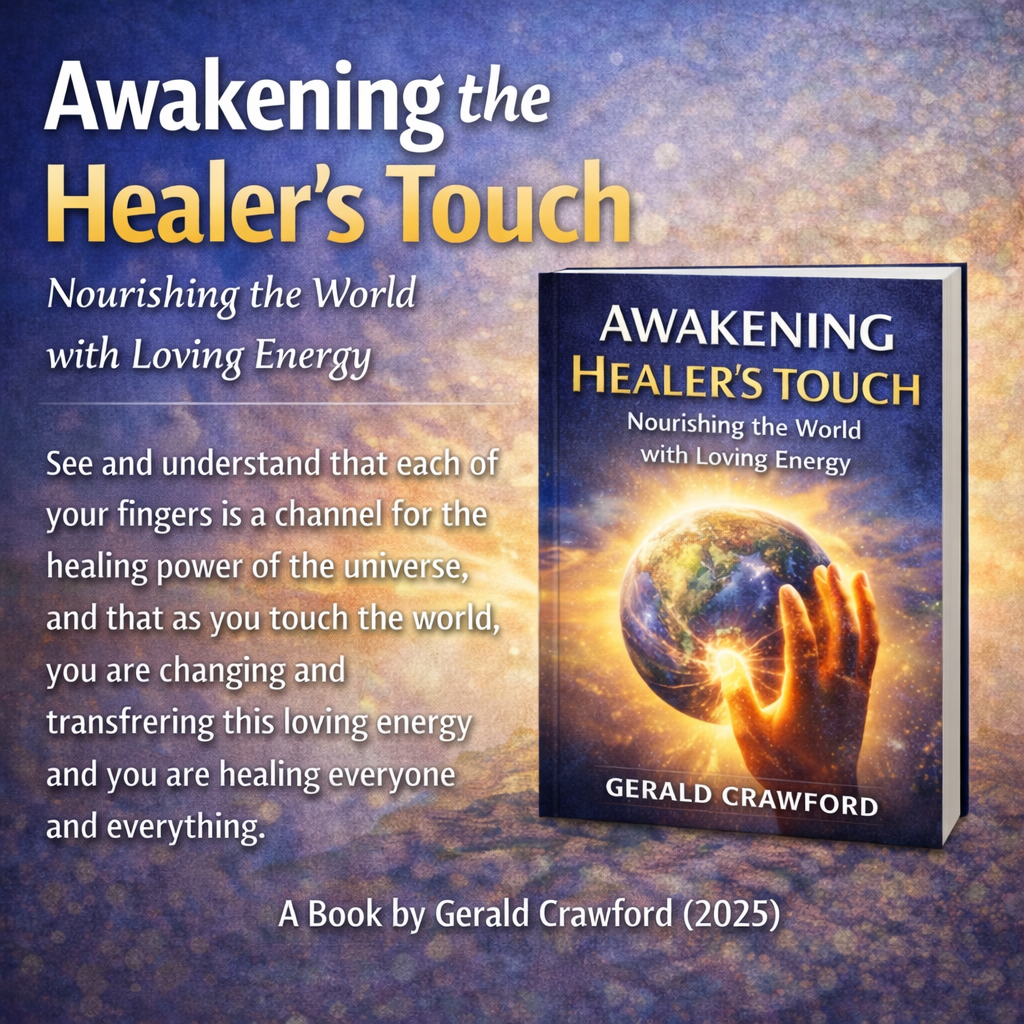
“The Healer’s Touch” is a comprehensive topic that explores the various tools and techniques used by healers to facilitate healing and growth. The title suggests a deeper look into the diverse range of methods and approaches that healers employ to support their patients’ physical, emotional, and spiritual well-being.
The tools and techniques used by healers can be broadly categorized into several areas, including:
1. Energy-based modalities: Energy-based modalities, such as Reiki, acupuncture, and qigong, which focus on balancing and aligning the body’s energy to promote healing and well-being.
2. Bodywork and manual therapies: Bodywork and manual therapies, such as massage, chiropractic, and osteopathy, which aim to release tension, improve circulation, and promote relaxation.
3. Mind-body therapies: Mind-body therapies, such as meditation, hypnotherapy, and cognitive-behavioral therapy, which help patients to manage stress, anxiety, and other emotional challenges.
4. Nutritional and herbal therapies: Nutritional and herbal therapies, which focus on using food, supplements, and herbs to support the body’s natural healing processes and promote optimal health.
5. Spiritual and intuitive practices: Spiritual and intuitive practices, such as prayer, visualization, and intuition, which help patients to connect with their deeper selves and access higher states of consciousness.
Some of the key tools and techniques used by healers include:
1. Breathwork and meditation: Breathwork and meditation, which help patients to calm their minds, balance their emotions, and connect with their inner selves.
2. Visualization and imagery: Visualization and imagery, which enable patients to tap into their creative potential, imagine positive outcomes, and reprogram their minds with empowering thoughts and emotions.
3. Energy healing and transmission: Energy healing and transmission, which involve the transfer of energy from the healer to the patient to support healing, balance, and alignment.
4. Physical therapy and exercise: Physical therapy and exercise, which help patients to improve their mobility, strength, and flexibility, and to manage chronic pain and other physical challenges.
5. Counseling and coaching: Counseling and coaching, which provide patients with emotional support, guidance, and empowerment to help them navigate life’s challenges and achieve their goals.
By using these tools and techniques, healers can help patients to:
1. Manage stress and anxiety: Manage stress and anxiety, and to develop greater resilience and coping skills.
2. Promote relaxation and calmness: Promote relaxation and calmness, and to improve sleep quality and overall well-being.
3. Enhance physical health and mobility: Enhance physical health and mobility, and to manage chronic pain and other physical challenges.
4. Support emotional healing and growth: Support emotional healing and growth, and to help patients develop greater self-awareness, self-acceptance, and self-love.
5. Foster spiritual connection and awareness: Foster spiritual connection and awareness, and to help patients develop a deeper understanding of themselves and their place in the world.
As we explore “The Healer’s Touch” and the various tools and techniques used by healers, we begin to see the many ways in which these approaches can support healing and growth. By providing patients with a range of options and approaches, healers can help individuals to find the methods that work best for them, and to achieve greater balance, harmony, and well-being in their lives.



Recent Comments