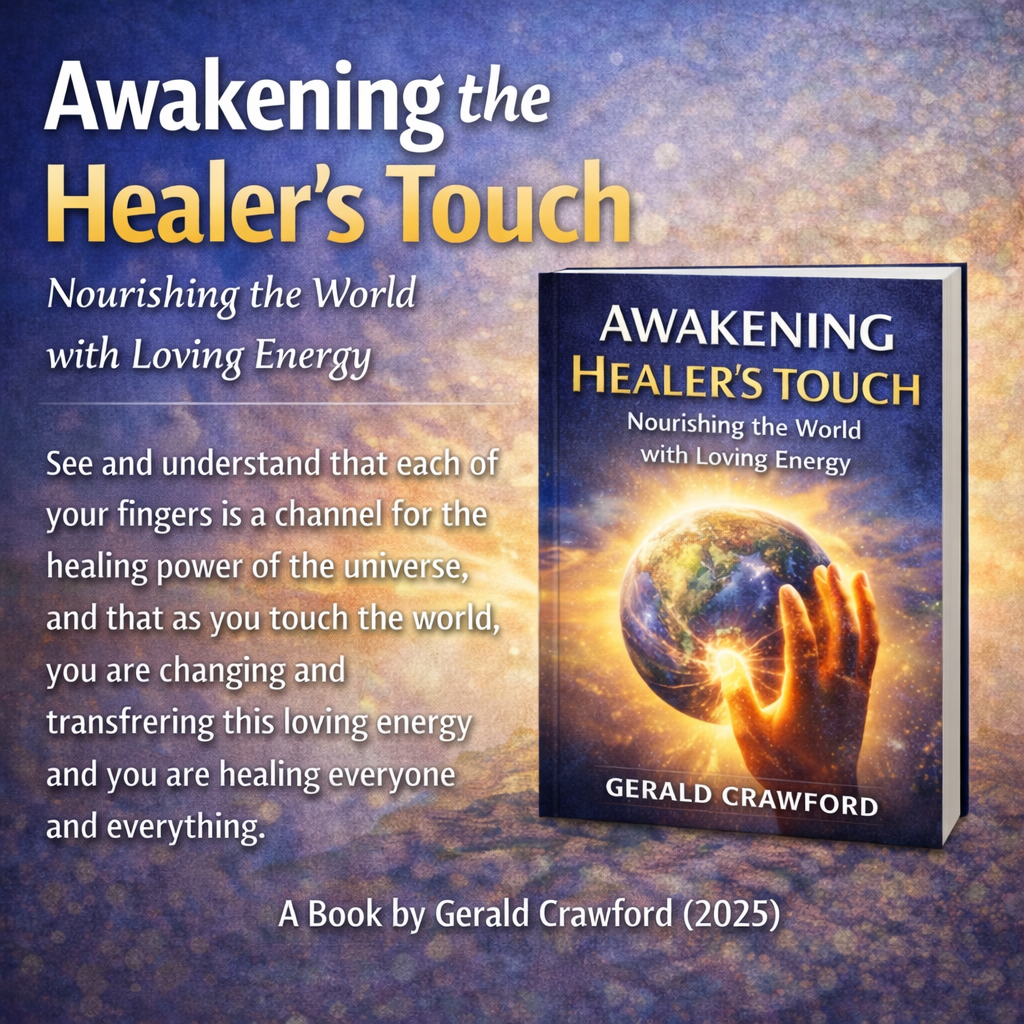
See and understand that each of your finger is a channel for the healing power of the universe, and that as you touch the world, you are changing and transferring this loving energy and you are healing everyone and everything.

Category: The Science behind the Healer’s Touch

The Power of Therapeutic Touch

The Power of Therapeutic Touch is a fascinating topic that highlights the significance of touch in the healing process. Therapeutic touch refers to the use of touch as a therapeutic modality to promote relaxation, reduce stress and anxiety, and enhance overall well-being.

The benefits of therapeutic touch include:

1. Reduces stress and anxiety: Therapeutic touch can help to calm the mind and body, reducing stress and anxiety and promoting relaxation.

2. Relieves pain: Therapeutic touch can help to reduce pain and discomfort by releasing endorphins, the body’s natural painkillers.

3. Improves mood: Therapeutic touch can help to improve mood and reduce symptoms of depression and anxiety.

4. Enhances sleep: Therapeutic touch can help to improve sleep quality and duration, leading to better rest and recovery.

5. Boosts immune system: Therapeutic touch can help to stimulate the immune system, reducing inflammation and promoting healing.

Types of therapeutic touch include:

1. Massage therapy: Massage therapy involves the use of various techniques, such as kneading, rolling, and pressing, to manipulate the soft tissues of the body.

2. Reflexology: Reflexology involves the use of pressure points on the feet, hands, or ears to stimulate the body’s natural healing processes.

3. Aromatherapy: Aromatherapy involves the use of essential oils to promote relaxation, reduce stress and anxiety, and enhance mood.

4. Energy healing: Energy healing involves the use of techniques, such as Reiki or qigong, to balance and harmonize the body’s energy.

5. Mind-body therapies: Mind-body therapies, such as meditation or yoga, involve the use of the mind to promote relaxation, reduce stress and anxiety, and enhance overall well-being.

To incorporate therapeutic touch into your practice, consider the following tips:

1. Create a peaceful environment: Create a peaceful and calming environment that promotes relaxation and reduces stress and anxiety.

2. Use gentle and soothing touch: Use gentle and soothing touch to promote relaxation and reduce muscle tension.

3. Focus on the breath: Focus on the breath to promote relaxation and reduce stress and anxiety.

4. Use calming essential oils: Use calming essential oils, such as lavender or chamomile, to promote relaxation and reduce stress and anxiety.

5. Encourage self-care: Encourage self-care and self-compassion to promote overall well-being and reduce stress and anxiety.

As a healer, you can use therapeutic touch to promote relaxation, reduce stress and anxiety, and enhance overall well-being. By incorporating therapeutic touch into your practice, you can help your patients to feel more calm, relaxed, and centered, and promote a deeper sense of connection and understanding.


The Science behind the Healer’s Touch – Examination of the impact of touch on stress, anxiety, and overall well-being

The Science behind the Healer’s Touch is a fascinating topic that explores the role of oxytocin, dopamine, and other neurotransmitters in touch and healing. The concept of the healer’s touch has been around for centuries, with many cultures and traditions recognizing the importance of touch in promoting healing, relaxation, and overall well-being.

From a scientific perspective, touch is a complex sensory experience that involves the stimulation of nerve endings in the skin, which then transmit signals to the brain, where they are interpreted and processed. The neurotransmitters that play a key role in touch and healing include:

1. Oxytocin: Oxytocin is often referred to as the “cuddle hormone” because it is released during social bonding activities, such as hugging, kissing, and sex. Oxytocin has been shown to play a critical role in social attachment, trust, and relaxation, and is often released during touch and physical contact.

2. Dopamine: Dopamine is a neurotransmitter that is involved in reward, pleasure, and motivation. It is released during activities that are pleasurable and enjoyable, such as eating, sex, and social interaction. Dopamine has been shown to play a key role in touch and healing, as it is released during physical contact and can promote feelings of relaxation and well-being.

3. Endorphins: Endorphins are natural painkillers that are released by the body in response to physical contact and other stimuli. They are often referred to as “feel-good” hormones because they promote feelings of relaxation, calmness, and well-being.

4. Serotonin: Serotonin is a neurotransmitter that is involved in mood regulation, appetite, and sleep. It has been shown to play a key role in touch and healing, as it is released during physical contact and can promote feelings of relaxation and calmness.

5. Vasopressin: Vasopressin is a neurotransmitter that is involved in social bonding and attachment. It has been shown to play a key role in touch and healing, as it is released during physical contact and can promote feelings of relaxation and trust.

The role of these neurotransmitters in touch and healing is complex and multifaceted. For example:

1. Oxytocin and social bonding: Oxytocin plays a critical role in social bonding and attachment, and is released during physical contact and social interaction. This can promote feelings of trust, relaxation, and well-being.

2. Dopamine and pleasure: Dopamine is released during activities that are pleasurable and enjoyable, such as eating, sex, and social interaction. This can promote feelings of relaxation, pleasure, and well-being.

3. Endorphins and pain relief: Endorphins are natural painkillers that are released by the body in response to physical contact and other stimuli. This can promote feelings of relaxation, calmness, and well-being.

4. Serotonin and mood regulation: Serotonin plays a key role in mood regulation, and is released during physical contact and social interaction. This can promote feelings of relaxation, calmness, and well-being.

5. Vasopressin and social bonding: Vasopressin plays a key role in social bonding and attachment, and is released during physical contact and social interaction. This can promote feelings of trust, relaxation, and well-being.

The implications of these findings for touch and healing are significant. For example:

1. Therapeutic touch: Therapeutic touch, such as massage, acupuncture, and physical therapy, can release oxytocin, dopamine, and endorphins, promoting feelings of relaxation, pleasure, and well-being.

2. Social support: Social support, such as hugging, kissing, and social interaction, can release oxytocin, dopamine, and vasopressin, promoting feelings of trust, relaxation, and well-being.

3. Mindfulness and meditation: Mindfulness and meditation can release serotonin, dopamine, and endorphins, promoting feelings of relaxation, calmness, and well-being.

4. Physical exercise: Physical exercise can release endorphins, dopamine, and serotonin, promoting feelings of relaxation, pleasure, and well-being.

What are your thoughts on the role of oxytocin, dopamine, and other neurotransmitters in touch and healing, and how do you think these findings can be applied in a clinical or therapeutic setting to promote healing, relaxation, and overall well-being

The Science behind the Healer’s Touch – Discussion of the role of oxytocin, dopamine, and other neurotransmitters in touch and healing

The Science behind the Healer’s Touch is a fascinating topic that explores the role of oxytocin, dopamine, and other neurotransmitters in touch and healing. The concept of the healer’s touch has been around for centuries, with many cultures and traditions recognizing the importance of touch in promoting healing, relaxation, and overall well-being.

From a scientific perspective, touch is a complex sensory experience that involves the stimulation of nerve endings in the skin, which then transmit signals to the brain, where they are interpreted and processed. The neurotransmitters that play a key role in touch and healing include:

1. Oxytocin: Oxytocin is often referred to as the “cuddle hormone” because it is released during social bonding activities, such as hugging, kissing, and sex. Oxytocin has been shown to play a critical role in social attachment, trust, and relaxation, and is often released during touch and physical contact.

2. Dopamine: Dopamine is a neurotransmitter that is involved in reward, pleasure, and motivation. It is released during activities that are pleasurable and enjoyable, such as eating, sex, and social interaction. Dopamine has been shown to play a key role in touch and healing, as it is released during physical contact and can promote feelings of relaxation and well-being.

3. Endorphins: Endorphins are natural painkillers that are released by the body in response to physical contact and other stimuli. They are often referred to as “feel-good” hormones because they promote feelings of relaxation, calmness, and well-being.

4. Serotonin: Serotonin is a neurotransmitter that is involved in mood regulation, appetite, and sleep. It has been shown to play a key role in touch and healing, as it is released during physical contact and can promote feelings of relaxation and calmness.

5. Vasopressin: Vasopressin is a neurotransmitter that is involved in social bonding and attachment. It has been shown to play a key role in touch and healing, as it is released during physical contact and can promote feelings of relaxation and trust.

The role of these neurotransmitters in touch and healing is complex and multifaceted. For example:

1. Oxytocin and social bonding: Oxytocin plays a critical role in social bonding and attachment, and is released during physical contact and social interaction. This can promote feelings of trust, relaxation, and well-being.

2. Dopamine and pleasure: Dopamine is released during activities that are pleasurable and enjoyable, such as eating, sex, and social interaction. This can promote feelings of relaxation, pleasure, and well-being.

3. Endorphins and pain relief: Endorphins are natural painkillers that are released by the body in response to physical contact and other stimuli. This can promote feelings of relaxation, calmness, and well-being.

4. Serotonin and mood regulation: Serotonin plays a key role in mood regulation, and is released during physical contact and social interaction. This can promote feelings of relaxation, calmness, and well-being.

5. Vasopressin and social bonding: Vasopressin plays a key role in social bonding and attachment, and is released during physical contact and social interaction. This can promote feelings of trust, relaxation, and well-being.

The implications of these findings for touch and healing are significant. For example:

1. Therapeutic touch: Therapeutic touch, such as massage, acupuncture, and physical therapy, can release oxytocin, dopamine, and endorphins, promoting feelings of relaxation, pleasure, and well-being.

2. Social support: Social support, such as hugging, kissing, and social interaction, can release oxytocin, dopamine, and vasopressin, promoting feelings of trust, relaxation, and well-being.

3. Mindfulness and meditation: Mindfulness and meditation can release serotonin, dopamine, and endorphins, promoting feelings of relaxation, calmness, and well-being.

4. Physical exercise: Physical exercise can release endorphins, dopamine, and serotonin, promoting feelings of relaxation, pleasure, and well-being.

What are your thoughts on the role of oxytocin, dopamine, and other neurotransmitters in touch and healing, and how do you think these findings can be applied in a clinical or therapeutic setting to promote healing, relaxation, and overall well-being?

The Science behind the Healer’s Touch – Exploration of the scientific basis of touch and its effects on the body and mind

The Science behind the Healer’s Touch is a fascinating topic that explores the scientific basis of touch and its effects on the body and mind. The concept of the healer’s touch has been around for centuries, with many cultures and traditions recognizing the importance of touch in promoting healing, relaxation, and overall well-being.

From a scientific perspective, touch can be defined as a complex sensory experience that involves the stimulation of nerve endings in the skin, which then transmit signals to the brain, where they are interpreted and processed. The science behind the healer’s touch can be broken down into several key areas:

1. Neurobiology of touch: The neurobiology of touch involves the study of the neural mechanisms that underlie the perception and processing of touch. Research has shown that touch is processed in the brain’s primary somatosensory cortex, which is responsible for receiving and interpreting sensory information from the body.

2. Physiology of touch: The physiology of touch involves the study of the physiological responses to touch, including changes in heart rate, blood pressure, and hormone levels. Research has shown that touch can have a profound impact on the body’s physiological responses, including reducing stress and anxiety, and promoting relaxation and sleep.

3. Psychology of touch: The psychology of touch involves the study of the psychological and emotional effects of touch, including its impact on mood, emotional regulation, and social bonding. Research has shown that touch can have a powerful impact on psychological and emotional well-being, including reducing symptoms of depression and anxiety, and promoting feelings of comfort and security.

4. Biochemistry of touch: The biochemistry of touch involves the study of the biochemical changes that occur in response to touch, including changes in hormone levels, neurotransmitters, and other biochemical markers. Research has shown that touch can have a profound impact on the body’s biochemical responses, including reducing inflammation, and promoting healing and tissue repair.

Some of the key scientific findings related to the healer’s touch include:

1. Oxytocin release: Touch has been shown to stimulate the release of oxytocin, often referred to as the “cuddle hormone,” which plays a critical role in social bonding and attachment.

2. Endorphin release: Touch has been shown to stimulate the release of endorphins, which are natural painkillers that promote feelings of relaxation and well-being.

3. Reduced cortisol levels: Touch has been shown to reduce cortisol levels, which is a hormone associated with stress and anxiety.

4. Improved immune function: Touch has been shown to improve immune function, including increasing the production of antibodies and activating natural killer cells.

In terms of the specific effects of the healer’s touch on the body and mind, research has shown that it can:

1. Reduce pain and inflammation: The healer’s touch has been shown to reduce pain and inflammation, including reducing symptoms of chronic pain, and promoting tissue repair.

2. Promote relaxation and sleep: The healer’s touch has been shown to promote relaxation and sleep, including reducing symptoms of insomnia, and improving overall sleep quality.

3. Improve mood and emotional regulation: The healer’s touch has been shown to improve mood and emotional regulation, including reducing symptoms of depression and anxiety, and promoting feelings of calm and well-being.

4. Enhance social bonding and attachment: The healer’s touch has been shown to enhance social bonding and attachment, including promoting feelings of connection and intimacy, and reducing feelings of loneliness and isolation.

The Science behind the Healer’s Touch

The concept of the “healer’s touch” has been a topic of interest for centuries, with many cultures believing that a healer’s physical contact can convey a sense of comfort, calmness, and even healing energy. While the idea of a healer’s touch may seem mystical or esoteric, there is a growing body of scientific research that sheds light on the physiological and psychological mechanisms underlying this phenomenon.

The Science Behind Touch

Touch is a fundamental aspect of human interaction, and research has shown that it plays a crucial role in our physical and emotional well-being. When we are touched, our brain releases oxytocin, often referred to as the “cuddle hormone,” which promotes feelings of trust, relaxation, and bonding. Touch also stimulates the release of other neurotransmitters, such as dopamine, serotonin, and endorphins, which can help alleviate pain, reduce stress, and improve mood.

The Power of Therapeutic Touch

Therapeutic touch, also known as TT, is a form of energy-based healing that involves the use of gentle, loving touch to balance and harmonize the body’s energy fields. While the concept of energy fields may seem abstract, research has shown that TT can have a positive impact on both physical and emotional health.

Studies have demonstrated that TT can:

1. Reduce pain and anxiety: TT has been shown to decrease pain and anxiety in patients undergoing surgery, as well as in those with chronic pain conditions.

2. Lower blood pressure: Regular TT sessions have been found to lower blood pressure and reduce symptoms of hypertension.

3. Improve sleep: TT has been shown to improve sleep quality and duration in individuals with insomnia and other sleep disorders.

4. Boost the immune system: TT has been found to increase the production of antibodies and activate natural killer cells, which can help fight off infections.

The Role of Intention and Energy

The concept of intention and energy is central to the idea of the healer’s touch. Healers often believe that their intention and energy can influence the outcome of a healing session, and research has begun to explore the scientific basis for this phenomenon.

Studies have demonstrated that:

1. Intention can affect physical systems: Research has shown that intention can influence the behavior of physical systems, such as the growth of plants and the movement of particles.

2. Energy fields can be measured: Scientists have developed techniques to measure the energy fields that surround the human body, known as biofields.

3. Healers’ energy can be transmitted: Studies have found that healers can transmit their energy to a recipient, which can be measured using techniques such as electroencephalography (EEG) and functional magnetic resonance imaging (fMRI).

Conclusion

The science behind the healer’s touch is complex and multifaceted, involving physiological, psychological, and energetic mechanisms. While more research is needed to fully understand the mechanisms underlying this phenomenon, the existing evidence suggests that the healer’s touch can have a positive impact on both physical and emotional health. By exploring the science behind this concept, we can gain a deeper appreciation for the power of touch and the role of intention and energy in the healing process.

Back a Buddy Show your Support