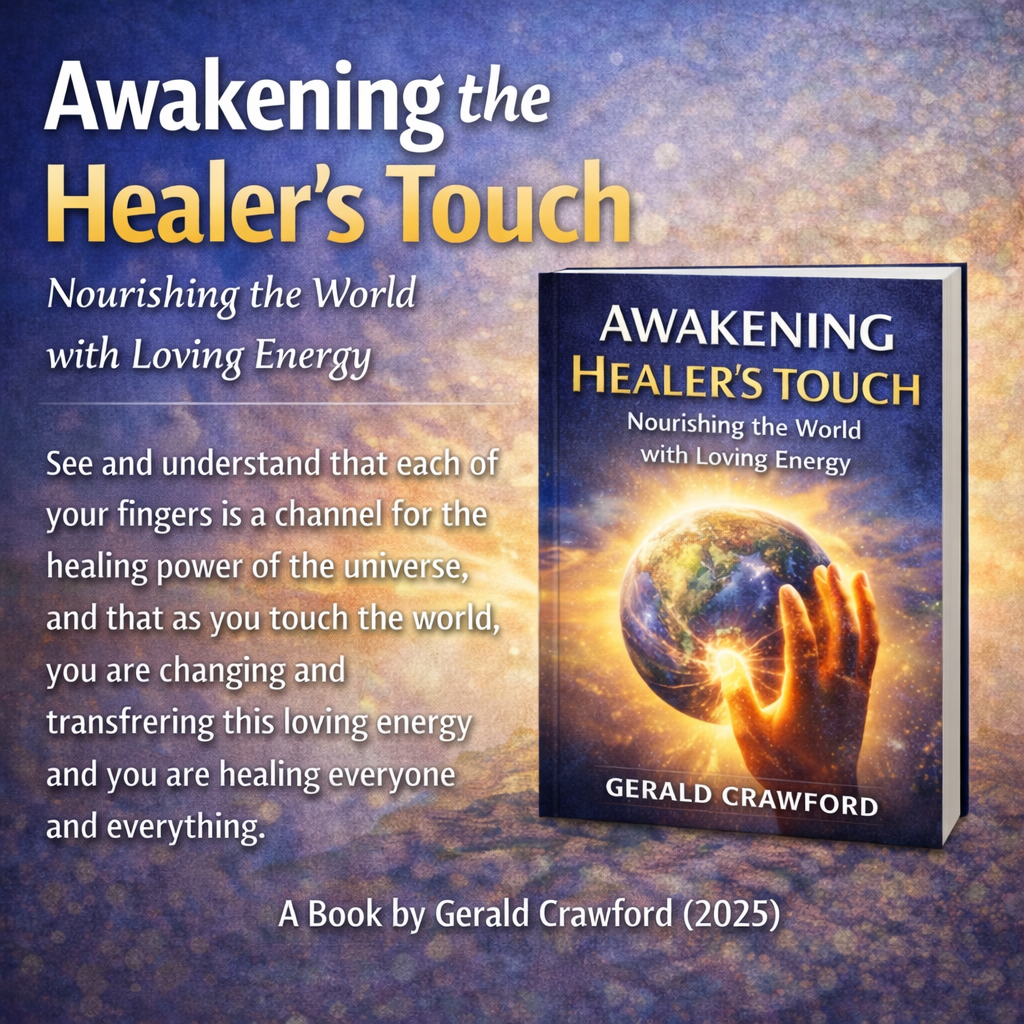
See and understand that each of your finger is a channel for the healing power of the universe, and that as you touch the world, you are changing and transferring this loving energy and you are healing everyone and everything.

Category: The Role of Gratitude and Appreciation

The Role of Gratitude and Appreciation

Gratitude and appreciation are essential components of a happy and fulfilling life. They have the power to transform our perspective, improve our relationships, and increase our overall sense of well-being.

What is Gratitude?

Gratitude is the feeling of appreciation and thankfulness for the good things in our lives. It’s a recognition of the positive experiences, people, and circumstances that bring joy and happiness to our lives. As we discussed earlier in the context of The Healer’s Touch, gratitude can play a significant role in the healing process, helping to reduce stress, anxiety, and depression.

Why is Gratitude Important in The Healer’s Touch?

In the context of The Healer’s Touch, gratitude is essential for several reasons:

1. Enhances healing: Gratitude can enhance the healing process by focusing on the positive aspects of our lives and cultivating a sense of contentment, as we discussed earlier in our exploration of the importance of compassion and empathy in The Healer’s Touch.

2. Strengthens relationships: Gratitude can strengthen relationships between healers and individuals, fostering a sense of appreciation and respect for the healing process.

3. Increases happiness: Gratitude can increase happiness and well-being, leading to a more positive and supportive environment for healing, which is essential for the effective application of The Healer’s Touch.

4. Enhances resilience: Gratitude can enhance resilience, helping individuals to cope with challenges and difficulties associated with the healing process.

5. Promotes personal growth: Gratitude can promote personal growth, encouraging individuals to reflect on their values and priorities, and make positive changes in their lives, which is a crucial aspect of The Healer’s Touch.

How to Practice Gratitude in The Healer’s Touch

Practicing gratitude in The Healer’s Touch involves several key elements:

1. Keep a gratitude journal: Write down three things you are grateful for each day before you go to bed, focusing on the positive aspects of your life and the healing process.

2. Share gratitude with others: Express your gratitude to others, whether it’s through a kind word, a thank-you note, or a small gift, which can help to strengthen relationships and foster a sense of community.

3. Practice mindfulness: Focus on the present moment and cultivate a sense of gratitude for the good things in your life, including the healing process and the support of others.

4. Reframe challenges: Try to find the silver lining in difficult situations and express gratitude for the opportunities they provide, which can help to enhance resilience and promote personal growth.

5. Cultivate a sense of appreciation: Focus on the things that bring you joy and happiness, and express your gratitude for them, which can help to increase happiness and well-being.

The Role of Appreciation in The Healer’s Touch

Appreciation is closely related to gratitude, but it involves a deeper sense of recognition and valuing of the good things in our lives, including the healing process and the support of others.

Why is Appreciation Important in The Healer’s Touch?

Appreciation is essential in The Healer’s Touch for several reasons:

1. Increases self-esteem: Appreciation can increase self-esteem by helping individuals recognize their strengths and accomplishments, which is essential for the effective application of The Healer’s Touch.

2. Improves relationships: Appreciation can improve relationships between healers and individuals, fostering a sense of respect and admiration for the healing process.

3. Enhances creativity: Appreciation can enhance creativity, encouraging individuals to see the world from different perspectives and to find new solutions to challenges associated with the healing process.

4. Promotes personal growth: Appreciation can promote personal growth, encouraging individuals to reflect on their values and priorities, and make positive changes in their lives, which is a crucial aspect of The Healer’s Touch.

5. Fosters a sense of wonder: Appreciation can foster a sense of wonder and awe, helping individuals to see the world as a place of beauty and magic, and to appreciate the healing process as a transformative and life-changing experience.

How to Practice Appreciation in The Healer’s Touch

Practicing appreciation in The Healer’s Touch involves several key elements:

1. Focus on the present moment: Focus on the present moment and cultivate a sense of appreciation for the good things in your life, including the healing process and the support of others.

2. Recognize the efforts of others: Recognize the efforts and contributions of others, and express your appreciation for them, which can help to strengthen relationships and foster a sense of community.

3. Value the little things: Value the little things in life, such as a beautiful sunset or a good cup of coffee, which can help to increase happiness and well-being.

4. Practice self-appreciation: Practice self-appreciation by recognizing your strengths and accomplishments, which is essential for the effective application of The Healer’s Touch.

5. Cultivate a sense of awe: Cultivate a sense of awe and wonder, helping you to see the world as a place of beauty and magic, and to appreciate the healing process as a transformative and life-changing experience.

Challenges to Gratitude and Appreciation in The Healer’s Touch

While gratitude and appreciation are essential components of The Healer’s Touch, there are several challenges that may arise:

1. Negative thinking: Negative thinking can make it difficult to practice gratitude and appreciation, as it can focus our attention on the negative aspects of our lives and the healing process.

2. Comparison to others: Comparing ourselves to others can make it difficult to practice gratitude and appreciation, as it can foster a sense of competition and dissatisfaction.

3. Difficulty in finding the positive: It can be difficult to find the positive in challenging situations, making it hard to practice gratitude and appreciation.

4. Lack of mindfulness: A lack of mindfulness can make it difficult to practice gratitude and appreciation, as it can prevent us from being present in the moment and appreciating the good things in our lives.

Overcoming Challenges to Gratitude and Appreciation in The Healer’s Touch

To overcome these challenges, remember that:

1. Gratitude and appreciation are practices: Gratitude and appreciation are practices that take time and effort to develop, and they are essential for the effective application of The Healer’s Touch.

2. Be patient and kind to yourself: Be patient and kind to yourself as you practice gratitude and appreciation, and remember that it’s okay to start small and make mistakes.

3. Focus on the present moment: Focus on the present moment and cultivate a sense of gratitude and appreciation for the good things in your life, including the healing process and the support of others.

4. Seek support: Seek support from others, whether it’s through therapy, support groups, or online communities, which can help to strengthen relationships and foster a sense of community.

5. Celebrate your successes: Celebrate your successes and accomplishments, no matter how small they may seem, which can help to increase happiness and well-being, and to promote personal growth and development.

By incorporating gratitude and appreciation into The Healer’s Touch, individuals can experience a range of benefits, including enhanced healing, strengthened relationships, and increased happiness and well-being. Remember, gratitude and appreciation are essential components of a happy and fulfilling life, and they can play a significant role in the healing process.

The Role of Gratitude and Appreciation – Introduction to various techniques for cultivating gratitude, including journaling and sharing appreciation with others

Let’s dive deeper into the various techniques for cultivating gratitude, including journaling and sharing appreciation with others.

Journaling for Gratitude

Journaling is a powerful technique for cultivating gratitude. By writing down the things we are thankful for, we can:

1. Process our emotions: Journaling helps us process and reflect on our emotions, including gratitude.

2. Focus on the present moment: Journaling encourages us to focus on the present moment and appreciate what we have, rather than dwelling on the past or worrying about the future.

3. Develop a greater sense of awareness: Journaling helps us develop a greater sense of awareness and appreciation for the good things in our lives.

Tips for Gratitude Journaling

1. Set aside a specific time each day: Set aside a specific time each day to journal, such as first thing in the morning or before bed.

2. Start small: Start with a small goal, such as writing down three things you are grateful for each day.

3. Be specific: Be specific about what you are grateful for, including the people, experiences, and things that bring joy and appreciation into your life.

4. Use prompts: Use prompts or questions to help guide your journaling, such as “What am I grateful for today?” or “What are three things that brought me joy this week?”

Example of a Gratitude Journal Entry

Here’s an example of a gratitude journal entry:

“Today, I am grateful for:

* A good cup of coffee this morning

* A beautiful walk in the park during my lunch break

* A supportive conversation with a friend

I’m also grateful for the opportunity to learn and grow, and for the people in my life who encourage and support me.”

Sharing Appreciation with Others

Sharing appreciation with others is another powerful technique for cultivating gratitude. By expressing our gratitude to others, we can:

1. Strengthen our relationships: Sharing appreciation with others can strengthen our relationships and foster a sense of connection and community.

2. Increase feelings of gratitude: Expressing gratitude to others can increase our own feelings of gratitude and appreciation.

3. Create a positive feedback loop: Sharing appreciation with others can create a positive feedback loop, where we feel more grateful and appreciative, and others feel more appreciated and valued.

Tips for Sharing Appreciation with Others

1. Be sincere: Be sincere and genuine in your expression of gratitude, and make sure it’s coming from a place of authentic appreciation.

2. Use specific language: Use specific language to express your gratitude, such as “I really appreciate your help with this project” or “I’m so grateful for your support and encouragement.”

3. Show appreciation in different ways: Show appreciation in different ways, such as writing a thank-you note, giving a small gift, or simply saying “thank you” to someone who has made a positive impact in your life.

4. Make it a habit: Make expressing gratitude a habit, such as sharing appreciation with someone each day or writing a gratitude letter to someone each week.

Other Techniques for Cultivating Gratitude

1. Mindfulness meditation: Practice mindfulness meditation to cultivate a greater sense of awareness and appreciation for the present moment.

2. Gratitude rituals: Create gratitude rituals, such as sharing gratitude at mealtime or before bed, to help make gratitude a regular part of your daily routine.

3. Gratitude jar: Create a gratitude jar where you write down things you are grateful for on slips of paper and put them in a jar, then reflect on them later.

4. Gratitude walk: Take a gratitude walk, where you take a walk and reflect on the things you are grateful for, such as nature, fresh air, or the ability to walk.

Benefits of Cultivating Gratitude

Cultivating gratitude can have a wide range of benefits, including:

1. Improved mental health: Gratitude has been shown to reduce symptoms of depression and anxiety, and improve overall mental health.

2. Stronger relationships: Gratitude can strengthen our relationships with others, and foster a sense of connection and community.

3. Increased resilience: Gratitude can help us cope with challenges and setbacks, and improve our overall resilience.

4. Improved physical health: Gratitude has been linked to improved sleep quality, reduced inflammation, and a stronger immune system.

By incorporating these techniques into our daily routine, we can cultivate a greater sense of gratitude and appreciation, and improve our mental, emotional, and physical well-being. Remember, gratitude is a practice that takes time and effort to develop, but the benefits are well worth it.

The Role of Gratitude and Appreciation – Discussion of the impact of gratitude on the body, mind, and spirit

Let’s explore the impact of gratitude on the body, mind, and spirit.

The Impact of Gratitude on the Body

Gratitude has a profound impact on our physical health, including:

1. Reduced inflammation: Studies have shown that practicing gratitude can reduce inflammation, which can lead to a range of chronic diseases.

2. Improved sleep: Gratitude has been linked to improved sleep quality, which is essential for physical health and well-being.

3. Boosted immune system: Gratitude has been shown to boost the immune system, helping to fight off infection and disease.

4. Lower blood pressure: Practicing gratitude can help to lower blood pressure, reducing the risk of heart disease and stroke.

5. Improved digestion: Gratitude has been linked to improved digestion, reducing symptoms of irritable bowel syndrome and other digestive disorders.

The Impact of Gratitude on the Mind

Gratitude also has a significant impact on our mental health, including:

1. Reduced stress and anxiety: Practicing gratitude can reduce stress and anxiety, promoting a sense of calm and well-being.

2. Improved mood: Gratitude has been linked to improved mood, reducing symptoms of depression and anxiety.

3. Increased self-esteem: Gratitude can increase self-esteem, promoting a positive self-image and confidence.

4. Enhanced resilience: Gratitude can enhance resilience, helping us to bounce back from challenges and setbacks.

5. Improved relationships: Gratitude can improve relationships, fostering a sense of appreciation and respect for others.

The Impact of Gratitude on the Spirit

Gratitude also has a profound impact on our spiritual well-being, including:

1. Sense of connection: Gratitude can help us feel more connected to ourselves, others, and the world around us.

2. Increased faith: Practicing gratitude can increase faith and trust in a higher power or a higher purpose.

3. Greater sense of purpose: Gratitude can help us find meaning and purpose in life, promoting a sense of direction and fulfillment.

4. Deeper sense of awe: Gratitude can foster a deeper sense of awe and wonder, promoting a sense of appreciation for the beauty and mystery of life.

5. Increased sense of gratitude: Practicing gratitude can increase our sense of gratitude, creating a positive feedback loop that promotes even more gratitude and appreciation.

The Neurobiology of Gratitude

Gratitude has been shown to activate several key areas of the brain, including:

1. The anterior cingulate cortex: This area of the brain is involved in emotion regulation, error detection, and conflict monitoring.

2. The insula: This area of the brain is involved in empathy, compassion, and self-awareness.

3. The prefrontal cortex: This area of the brain is involved in decision-making, planning, and executive function.

4. The basal ganglia: This area of the brain is involved in movement control, habit formation, and reward processing.

5. The default mode network: This network of brain regions is involved in introspection, self-reflection, and mind-wandering.

The Chemistry of Gratitude

Gratitude has been shown to involve several key neurotransmitters and hormones, including:

1. Dopamine: This neurotransmitter is involved in reward processing, pleasure, and motivation.

2. Serotonin: This neurotransmitter is involved in mood regulation, appetite, and sleep.

3. Endorphins: These natural painkillers are involved in pain relief, pleasure, and well-being.

4. Oxytocin: This hormone is involved in social bonding, attachment, and trust.

5. Vasopressin: This hormone is involved in social recognition, bonding, and attachment.

By practicing gratitude, we can harness the power of these neurotransmitters and hormones to promote physical, emotional, and spiritual well-being. Remember, gratitude is a practice that takes time and effort to develop, but the benefits are well worth it.

Back a Buddy Show your Support