
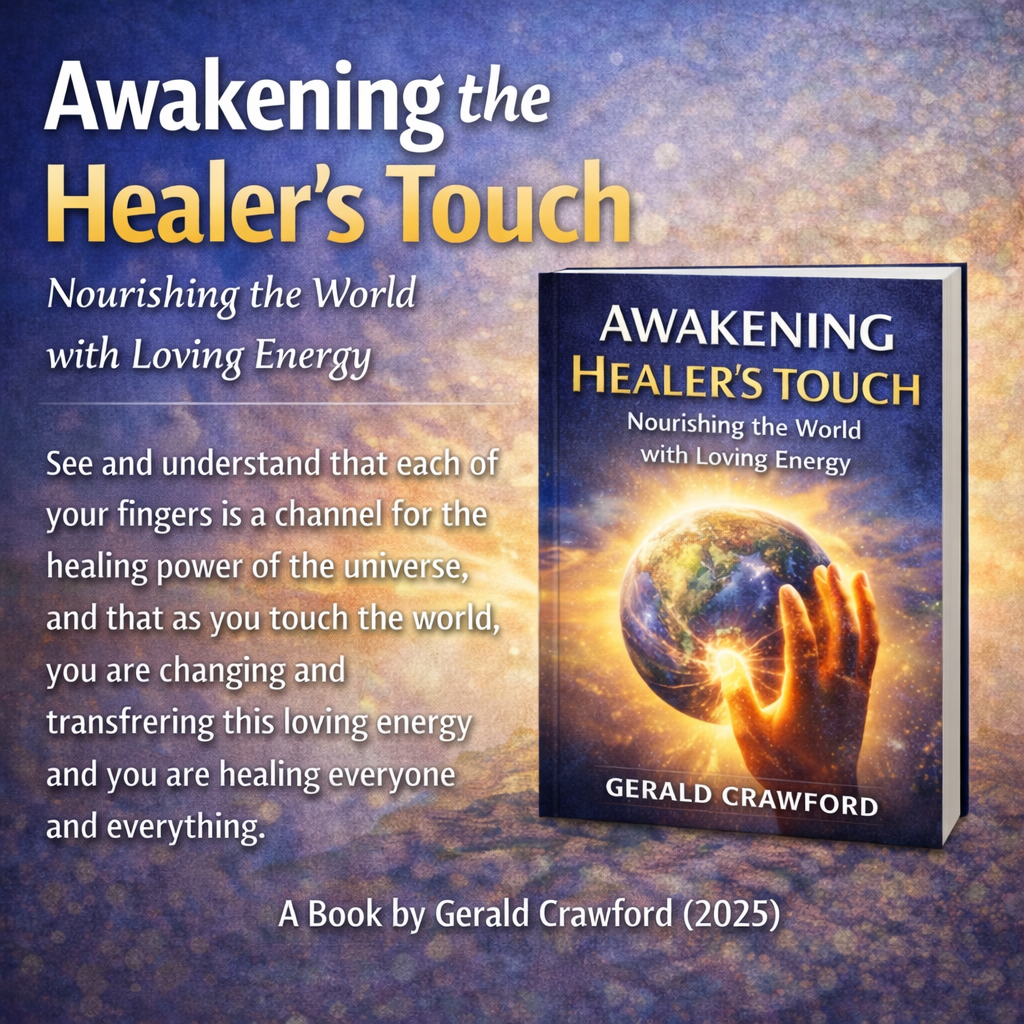
“The Healer’s Touch” is a fascinating topic that explores the concept of the mind-body connection in the context of healing. The title suggests a deeper look into the relationship between the mind, body, and spirit, and how this connection can be harnessed to facilitate healing and growth.
The mind-body connection refers to the complex and intricate relationship between our thoughts, emotions, and physical sensations. This connection is bidirectional, meaning that our thoughts and emotions can affect our physical body, and our physical body can also affect our thoughts and emotions. When we experience stress, anxiety, or trauma, it can manifest in our body as tension, pain, or illness. Conversely, when we experience relaxation, joy, or peace, it can manifest in our body as feelings of calm, comfort, and well-being.
The mind-body connection is a crucial aspect of the healing process, as it can:
1. Influence the immune system: The mind-body connection can influence the immune system, with stress and anxiety suppressing the immune system, and relaxation and joy boosting it.
2. Affect pain perception: The mind-body connection can affect pain perception, with stress and anxiety increasing pain sensitivity, and relaxation and joy reducing it.
3. Impact emotional well-being: The mind-body connection can impact emotional well-being, with a positive and resilient mindset contributing to better emotional health, and a negative and stressed mindset contributing to poorer emotional health.
4. Facilitate personal growth and transformation: The mind-body connection can facilitate personal growth and transformation, as we learn to listen to our body’s wisdom and honor its needs, and cultivate a more positive and empowering mindset.
The healer’s role in fostering the mind-body connection is multifaceted, and can include:
1. Encouraging mindfulness and self-awareness: The healer can encourage mindfulness and self-awareness, helping the patient to tune into their body’s wisdom and honor its needs.
2. Teaching relaxation and stress-reduction techniques: The healer can teach relaxation and stress-reduction techniques, such as meditation, deep breathing, or yoga, to help the patient manage stress and anxiety.
3. Fostering a positive and empowering mindset: The healer can foster a positive and empowering mindset, helping the patient to cultivate a more optimistic and resilient attitude, and to develop a growth mindset.
4. Helping the patient to develop a greater sense of body awareness: The healer can help the patient to develop a greater sense of body awareness, encouraging them to listen to their body’s signals and honor its needs.
By acknowledging and working with the mind-body connection, healers can help patients to:
1. Develop a greater sense of self-awareness and understanding: Develop a greater sense of self-awareness and understanding, and to cultivate a more positive and empowering mindset.
2. Manage stress and anxiety more effectively: Manage stress and anxiety more effectively, and to reduce their impact on the body.
3. Improve their emotional well-being: Improve their emotional well-being, and to develop a more resilient and adaptive mindset.
4. Facilitate personal growth and transformation: Facilitate personal growth and transformation, and to cultivate a more authentic and fulfilling life.
As we explore “The Healer’s Touch” and the mind-body connection, we begin to see the many ways in which this connection can be harnessed to facilitate healing and growth. By acknowledging and working with the mind-body connection, healers can help patients to develop a greater sense of self-awareness and understanding, and to cultivate a more positive and empowering mindset.



Recent Comments