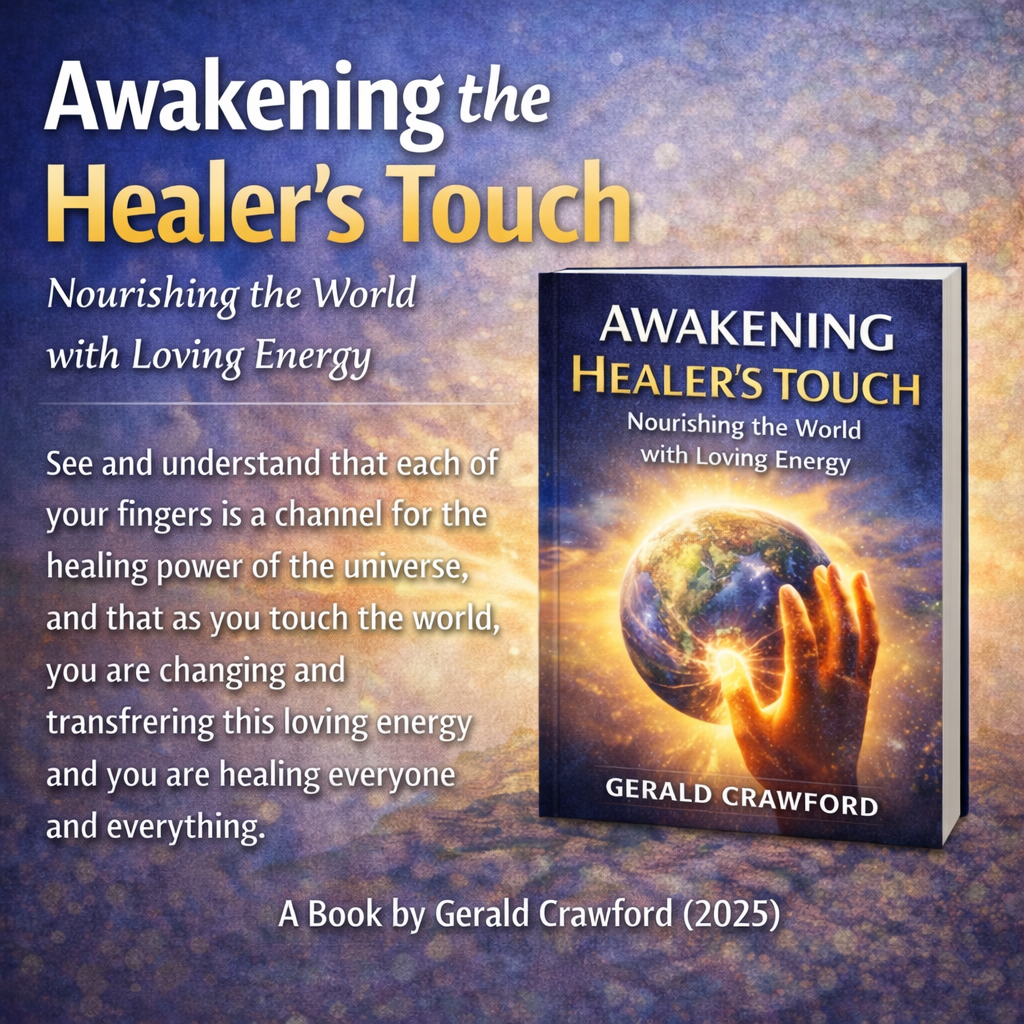
See and understand that each of your finger is a channel for the healing power of the universe, and that as you touch the world, you are changing and transferring this loving energy and you are healing everyone and everything.

Category: “The Healer’s Touch” (Page 7 of 7)

“The Healer’s Touch” – Non-Judgmental Environment

“The Healer’s Touch” is a thought-provoking topic that explores the concept of creating a non-judgmental environment in the context of healing. The title suggests a deeper look into the relationship between the healer, the patient, and the importance of a non-judgmental environment in the healing process.

A non-judgmental environment is essential in the healing process, as it allows patients to:

1. Feel safe and secure: Feel safe and secure, without fear of criticism, judgment, or rejection.

2. Express themselves freely: Express themselves freely, without fear of being judged or criticized.

3. Build trust and rapport: Build trust and rapport with the healer, which is essential for effective communication and healing.

4. Explore their thoughts and feelings: Explore their thoughts and feelings, without fear of judgment or rejection.

5. Develop a sense of self-awareness: Develop a sense of self-awareness, which is essential for personal growth and healing.

The benefits of a non-judgmental environment include:

1. Increased patient satisfaction: Increased patient satisfaction, as patients feel heard, understood, and respected.

2. Improved communication: Improved communication, as patients feel comfortable expressing themselves freely.

3. Enhanced therapeutic relationship: Enhanced therapeutic relationship, as the healer and patient build trust and rapport.

4. Increased patient engagement: Increased patient engagement, as patients feel empowered to take an active role in their healing process.

5. Better health outcomes: Better health outcomes, as patients feel comfortable discussing their concerns and needs.

To create a non-judgmental environment, healers can:

1. Practice active listening: Practice active listening, which involves fully concentrating on what the patient is saying, without interrupting or judging.

2. Use empathetic language: Use empathetic language, which involves acknowledging and validating the patient’s feelings and experiences.

3. Avoid making assumptions: Avoid making assumptions, which involves not jumping to conclusions or making judgments based on limited information.

4. Maintain confidentiality: Maintain confidentiality, which involves respecting the patient’s privacy and not sharing their personal information without consent.

5. Be aware of their own biases: Be aware of their own biases, which involves recognizing and managing their own emotional and cultural biases.

The characteristics of a non-judgmental healer include:

1. Empathy: Empathy, which involves being able to understand and share the feelings of the patient.

2. Compassion: Compassion, which involves being able to show kindness and concern for the patient’s well-being.

3. Active listening: Active listening, which involves fully concentrating on what the patient is saying.

4. Cultural sensitivity: Cultural sensitivity, which involves being aware of and respecting the patient’s cultural background and values.

5. Self-awareness: Self-awareness, which involves being aware of one’s own biases and emotions, and managing them in a way that promotes a non-judgmental environment.

As we explore “The Healer’s Touch” and the concept of a non-judgmental environment, we begin to see the many ways in which a non-judgmental environment can promote healing, trust, and patient satisfaction. By incorporating non-judgmental practices and characteristics, healers can create a safe and supportive environment that empowers patients to take an active role in their healing process.


“The Healer’s Touch” – Facilitate Personal Growth and Transformation

“The Healer’s Touch” is a thought-provoking topic that explores the concept of facilitating personal growth and transformation in the context of healing. The title suggests a deeper look into the relationship between the healer, the patient, and the process of personal growth and transformation.

The healer’s touch can facilitate personal growth and transformation by:

1. Creating a safe and supportive environment: Creating a safe and supportive environment, which allows patients to feel comfortable and secure, and to explore their thoughts, feelings, and experiences.

2. Encouraging self-reflection and introspection: Encouraging self-reflection and introspection, which can help patients to gain insight into their values, beliefs, and behaviors, and to identify areas for personal growth and development.

3. Fostering a sense of empowerment and self-awareness: Fostering a sense of empowerment and self-awareness, which can help patients to take responsibility for their own healing and growth, and to make informed decisions about their lives.

4. Providing guidance and support: Providing guidance and support, which can help patients to navigate the process of personal growth and transformation, and to overcome challenges and obstacles.

5. Facilitating emotional release and healing: Facilitating emotional release and healing, which can help patients to process and resolve emotional trauma and pain, and to move forward in a positive and healthy way.

The benefits of facilitating personal growth and transformation include:

1. Increased self-awareness and self-acceptance: Increased self-awareness and self-acceptance, which can lead to greater confidence, self-esteem, and overall well-being.

2. Improved relationships and communication: Improved relationships and communication, which can lead to greater intimacy, connection, and understanding with others.

3. Enhanced emotional intelligence and regulation: Enhanced emotional intelligence and regulation, which can lead to greater emotional resilience, stability, and overall well-being.

4. Increased resilience and adaptability: Increased resilience and adaptability, which can lead to greater ability to cope with challenges and changes, and to navigate uncertainty and ambiguity.

5. Greater sense of purpose and meaning: Greater sense of purpose and meaning, which can lead to greater direction, motivation, and overall fulfillment.

To facilitate personal growth and transformation, healers can:

1. Use evidence-based therapies and approaches: Use evidence-based therapies and approaches, such as psychotherapy, counseling, or coaching, which have been shown to be effective in facilitating personal growth and transformation.

2. Tailor the approach to the individual: Tailor the approach to the individual, taking into account their unique needs, preferences, and experiences.

3. Create a safe and supportive environment: Create a safe and supportive environment, which allows patients to feel comfortable and secure, and to explore their thoughts, feelings, and experiences.

4. Encourage self-reflection and introspection: Encourage self-reflection and introspection, which can help patients to gain insight into their values, beliefs, and behaviors, and to identify areas for personal growth and development.

5. Foster a sense of empowerment and self-awareness: Foster a sense of empowerment and self-awareness, which can help patients to take responsibility for their own healing and growth, and to make informed decisions about their lives.

As we explore “The Healer’s Touch” and the concept of facilitating personal growth and transformation, we begin to see the many ways in which the healer’s touch can influence personal growth and transformation, and promote overall well-being. By incorporating evidence-based therapies and approaches, healers can help patients to achieve greater self-awareness, emotional intelligence, and overall fulfillment.

“The Healer’s Touch” – Impact on Emotional Well-being

“The Healer’s Touch” is a thought-provoking topic that explores the concept of the impact of the healer’s touch on emotional well-being. The title suggests a deeper look into the relationship between the healer, the patient, and the emotional dimensions of the healing process.

The healer’s touch can have a profound impact on emotional well-being, as it can:

1. Reduce stress and anxiety: Reduce stress and anxiety, as the touch can stimulate the parasympathetic nervous system and promote relaxation.

2. Improve mood and emotional regulation: Improve mood and emotional regulation, as the touch can stimulate the release of neurotransmitters such as serotonin and dopamine.

3. Enhance feelings of comfort and safety: Enhance feelings of comfort and safety, as the touch can create a sense of trust and connection between the healer and the patient.

4. Foster a sense of empathy and understanding: Foster a sense of empathy and understanding, as the touch can create a sense of shared humanity and compassion between the healer and the patient.

5. Promote emotional healing and closure: Promote emotional healing and closure, as the touch can help patients to process and release emotional trauma and pain.

The mechanisms by which the healer’s touch affects emotional well-being are complex and multifaceted, and may involve:

1. Stimulation of the brain’s emotional centers: Stimulation of the brain’s emotional centers, such as the amygdala and the prefrontal cortex, which can affect mood, emotional regulation, and emotional well-being.

2. Release of neurotransmitters and hormones: Release of neurotransmitters and hormones, such as oxytocin, dopamine, and serotonin, which can affect mood, emotional regulation, and emotional well-being.

3. Activation of the parasympathetic nervous system: Activation of the parasympathetic nervous system, which can promote relaxation, reduce stress, and enhance emotional well-being.

4. Modulation of the immune system: Modulation of the immune system, which can affect inflammation, healing, and emotional well-being.

5. Psychological and emotional factors: Psychological and emotional factors, such as the patient’s expectations, beliefs, and emotional state, which can influence the effectiveness of the healer’s touch and emotional well-being.

To optimize the impact of the healer’s touch on emotional well-being, healers can:

1. Use evidence-based touch therapies: Use evidence-based touch therapies, such as massage, acupuncture, or manual therapy, which have been shown to be effective in reducing stress and anxiety and improving mood.

2. Tailor the touch to the individual: Tailor the touch to the individual, taking into account their unique needs, preferences, and experiences.

3. Create a supportive and empathetic environment: Create a supportive and empathetic environment, which can foster a sense of trust and connection between the healer and the patient.

4. Encourage emotional expression and release: Encourage emotional expression and release, as this can help patients to process and heal from emotional trauma and pain.

5. Monitor and adjust the touch: Monitor and adjust the touch, as needed, to ensure that it is comfortable, effective, and tailored to the individual’s needs.

As we explore “The Healer’s Touch” and the impact on emotional well-being, we begin to see the many ways in which the healer’s touch can influence emotional well-being and promote overall health. By incorporating touch therapies and other evidence-based approaches, healers can help patients to manage stress and anxiety, improve mood, and enhance their overall quality of life.

“The Healer’s Touch” – Affect on Pain Perception

“The Healer’s Touch” is a thought-provoking topic that explores the concept of the affect of the healer’s touch on pain perception. The title suggests a deeper look into the relationship between the healer, the patient, and the experience of pain.

The healer’s touch can have a profound impact on pain perception, as it can:

1. Reduce pain intensity: Reduce pain intensity, as the touch can stimulate the release of endorphins and other pain-relieving chemicals.

2. Alter pain perception: Alter pain perception, as the touch can affect the way the brain processes and interprets pain signals.

3. Increase feelings of comfort and relaxation: Increase feelings of comfort and relaxation, as the touch can stimulate the parasympathetic nervous system and promote a sense of calm.

4. Enhance mood and emotional well-being: Enhance mood and emotional well-being, as the touch can stimulate the release of neurotransmitters such as serotonin and dopamine.

5. Foster a sense of connection and empathy: Foster a sense of connection and empathy, as the touch can create a sense of shared humanity and understanding between the healer and the patient.

The mechanisms by which the healer’s touch affects pain perception are complex and multifaceted, and may involve:

1. Stimulation of nerve endings: Stimulation of nerve endings, which can activate the release of pain-relieving chemicals and alter pain perception.

2. Release of neurotransmitters: Release of neurotransmitters, such as endorphins, dopamine, and serotonin, which can affect mood, emotional well-being, and pain perception.

3. Activation of the parasympathetic nervous system: Activation of the parasympathetic nervous system, which can promote relaxation, reduce stress, and alter pain perception.

4. Modulation of the immune system: Modulation of the immune system, which can affect inflammation, healing, and pain perception.

5. Psychological and emotional factors: Psychological and emotional factors, such as the patient’s expectations, beliefs, and emotional state, which can influence pain perception and the effectiveness of the healer’s touch.

To optimize the affect of the healer’s touch on pain perception, healers can:

1. Use evidence-based touch therapies: Use evidence-based touch therapies, such as massage, acupuncture, or manual therapy, which have been shown to be effective in reducing pain and improving mood.

2. Tailor the touch to the individual: Tailor the touch to the individual, taking into account their unique needs, preferences, and experiences.

3. Create a supportive and empathetic environment: Create a supportive and empathetic environment, which can foster a sense of connection and understanding between the healer and the patient.

4. Encourage relaxation and stress reduction: Encourage relaxation and stress reduction, as this can enhance the effectiveness of the healer’s touch and promote overall well-being.

5. Monitor and adjust the touch: Monitor and adjust the touch, as needed, to ensure that it is comfortable, effective, and tailored to the individual’s needs.

As we explore “The Healer’s Touch” and the affect on pain perception, we begin to see the many ways in which the healer’s touch can influence the experience of pain and promote overall well-being. By incorporating touch therapies and other evidence-based approaches, healers can help patients to manage pain, improve mood, and enhance their overall quality of life.

“The Healer’s Touch” – Activation of the Immune System

“The Healer’s Touch” is a thought-provoking topic that explores the concept of the activation of the immune system in the context of healing. The title suggests a deeper look into the relationship between the healer, the patient, and the immune system.

The immune system plays a crucial role in the healing process, as it helps to defend the body against pathogens, repair damaged tissue, and maintain overall health. Activation of the immune system can be achieved through various means, including:

1. Touch and physical contact: Touch and physical contact, such as massage, acupuncture, or chiropractic care, can stimulate the immune system and promote healing.

2. Mind-body therapies: Mind-body therapies, such as meditation, yoga, or guided imagery, can help to reduce stress and activate the immune system.

3. Nutrition and diet: Nutrition and diet, including the consumption of immune-boosting foods and supplements, can support the immune system and promote healing.

4. Herbal and botanical therapies: Herbal and botanical therapies, such as echinacea or ginseng, can stimulate the immune system and promote healing.

5. Energy-based therapies: Energy-based therapies, such as Reiki or qigong, can help to balance and align the body’s energy, promoting healing and immune system activation.

The benefits of activating the immune system include:

1. Enhanced immune function: Enhanced immune function, allowing the body to better defend against pathogens and repair damaged tissue.

2. Improved healing: Improved healing, as the immune system works to repair and regenerate damaged tissue.

3. Increased overall health: Increased overall health, as the immune system helps to maintain balance and harmony in the body.

4. Reduced inflammation: Reduced inflammation, as the immune system helps to regulate and resolve inflammatory responses.

5. Improved mental and emotional well-being: Improved mental and emotional well-being, as the immune system is closely linked to the nervous system and endocrine system.

To activate the immune system, healers can:

1. Use evidence-based therapies: Use evidence-based therapies, such as those mentioned above, to stimulate the immune system and promote healing.

2. Encourage a healthy lifestyle: Encourage a healthy lifestyle, including a balanced diet, regular exercise, and adequate sleep, to support immune system function.

3. Reduce stress and anxiety: Reduce stress and anxiety, as these can suppress the immune system and hinder healing.

4. Foster a positive and supportive environment: Foster a positive and supportive environment, as this can help to reduce stress and promote immune system activation.

5. Monitor and adjust treatment plans: Monitor and adjust treatment plans, as needed, to ensure that the immune system is being supported and activated in the most effective way possible.

As we explore “The Healer’s Touch” and the activation of the immune system, we begin to see the many ways in which the immune system can be supported and activated to promote healing and overall health. By incorporating immune-boosting therapies and lifestyle changes, healers can help patients to achieve optimal health and well-being.

Newer posts »
Back a Buddy Show your Support