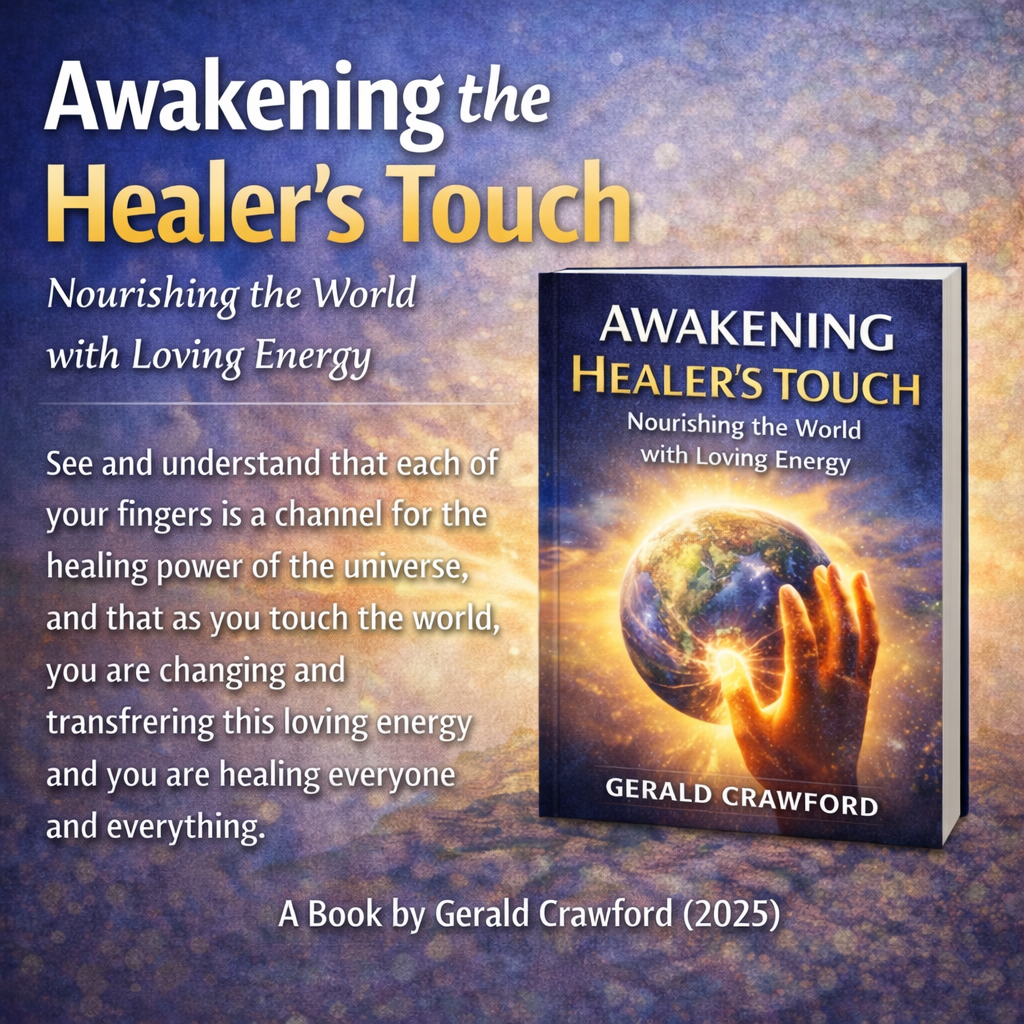
See and understand that each of your finger is a channel for the healing power of the universe, and that as you touch the world, you are changing and transferring this loving energy and you are healing everyone and everything.

Category: “The Healer’s Touch” (Page 5 of 7)

“The Healer’s Touch” – Clear Communication and Boundaries

“The Healer’s Touch” is a thought-provoking topic that explores the concept of clear communication and boundaries in the context of healing. The title suggests a deeper look into the relationship between the healer, the patient, and the healing process.

Clear communication and boundaries are essential aspects of the healing process, as they can significantly influence the outcome of the treatment. Healers who communicate clearly and set healthy boundaries are better able to:

1. Establish trust and rapport: Establish trust and rapport with their patients, by being transparent, empathetic, and understanding.

2. Provide effective treatment plans: Provide effective treatment plans, by clearly explaining the diagnosis, treatment options, and expectations.

3. Respect patient autonomy: Respect patient autonomy, by involving them in the decision-making process and prioritizing their needs and preferences.

4. Maintain healthy relationships: Maintain healthy relationships, by setting and maintaining clear boundaries, and avoiding emotional entanglements.

5. Prevent burnout and compassion fatigue: Prevent burnout and compassion fatigue, by prioritizing self-care, setting realistic expectations, and maintaining a healthy work-life balance.

To communicate clearly and set healthy boundaries, healers can:

1. Use clear and simple language: Use clear and simple language, avoiding jargon and technical terms that may confuse or intimidate patients.

2. Listen actively and empathetically: Listen actively and empathetically, paying attention to patients’ concerns, feelings, and needs.

3. Set clear expectations and boundaries: Set clear expectations and boundaries, including treatment plans, payment terms, and office policies.

4. Prioritize patient education: Prioritize patient education, providing patients with the information and resources they need to make informed decisions about their care.

5. Maintain accurate and timely records: Maintain accurate and timely records, including patient histories, treatment plans, and progress notes.

By communicating clearly and setting healthy boundaries, healers can:

1. Improve patient outcomes: Improve patient outcomes, by providing effective treatment plans and involving patients in the decision-making process.

2. Enhance patient satisfaction: Enhance patient satisfaction, by being responsive to their needs and concerns, and providing empathetic and compassionate care.

3. Reduce liability and risk: Reduce liability and risk, by maintaining accurate records, obtaining informed consent, and avoiding boundary violations.

4. Maintain their own well-being: Maintain their own well-being, by prioritizing self-care, setting realistic expectations, and maintaining a healthy work-life balance.

5. Foster a positive and supportive healing environment: Foster a positive and supportive healing environment, by being transparent, empathetic, and understanding, and by prioritizing patient-centered care.

As we explore “The Healer’s Touch” and clear communication and boundaries, we begin to see the many ways in which clear communication and healthy boundaries can enhance the healing process, and promote greater trust, respect, and empathy. By prioritizing clear communication and boundaries, healers can provide more effective and compassionate care, and can maintain their own well-being and resilience.


“The Healer’s Touch” – The Healer’s Self-awareness and Reflection

“The Healer’s Touch” is a thought-provoking topic that explores the concept of the healer’s self-awareness and reflection in the context of healing. The title suggests a deeper look into the relationship between the healer, the patient, and the healing process.

The healer’s self-awareness and reflection are crucial aspects of the healing process, as they can significantly influence the outcome of the treatment. Healers who are self-aware and reflective are better able to:

1. Recognize their own biases and limitations: Recognize their own biases and limitations, and to set them aside in order to provide more effective and empathetic care.

2. Develop a growth mindset: Develop a growth mindset, being open to new ideas, techniques, and perspectives, and to continuously learn and improve their skills.

3. Cultivate emotional intelligence: Cultivate emotional intelligence, including self-awareness, empathy, and social skills, in order to better understand and connect with their patients.

4. Maintain healthy boundaries: Maintain healthy boundaries, including setting limits and prioritizing self-care, in order to prevent burnout and maintain their own well-being.

5. Practice self-compassion and self-forgiveness: Practice self-compassion and self-forgiveness, being kind and understanding towards themselves, and to recognize that they are human and imperfect.

To cultivate self-awareness and reflection, healers can:

1. Engage in regular self-reflection and journaling: Engage in regular self-reflection and journaling, to explore their thoughts, feelings, and experiences, and to identify areas for growth and improvement.

2. Seek feedback and supervision: Seek feedback and supervision, from colleagues, mentors, or supervisors, to gain new insights and perspectives, and to develop their skills and abilities.

3. Prioritize self-care and self-compassion: Prioritize self-care and self-compassion, including taking time for rest, relaxation, and rejuvenation, and to practice self-kindness and understanding.

4. Develop a mindfulness practice: Develop a mindfulness practice, including meditation, deep breathing, or yoga, to cultivate greater awareness and presence, and to reduce stress and anxiety.

5. Stay up-to-date with the latest research and best practices: Stay up-to-date with the latest research and best practices, to continuously learn and improve their skills, and to provide the most effective and evidence-based care.

By cultivating self-awareness and reflection, healers can:

1. Improve their relationships with patients: Improve their relationships with patients, by being more empathetic, understanding, and compassionate.

2. Enhance their clinical skills and abilities: Enhance their clinical skills and abilities, by being more aware of their own biases and limitations, and by being more open to new ideas and perspectives.

3. Maintain their own well-being and resilience: Maintain their own well-being and resilience, by prioritizing self-care, self-compassion, and self-awareness.

4. Foster a culture of safety and respect: Foster a culture of safety and respect, by being more aware of their own biases and limitations, and by being more empathetic and understanding towards their patients.

5. Continuously learn and grow: Continuously learn and grow, by being open to new ideas and perspectives, and by prioritizing self-reflection and self-awareness.

As we explore “The Healer’s Touch” and the healer’s self-awareness and reflection, we begin to see the many ways in which self-awareness and reflection can enhance the healing process, and promote greater empathy, understanding, and compassion. By prioritizing self-awareness and reflection, healers can provide more effective and compassionate care, and can maintain their own well-being and resilience.

“The Healer’s Touch” – The Patient’s Expectations and Needs

“The Healer’s Touch” is a thought-provoking topic that explores the concept of the patient’s expectations and needs in the context of healing. The title suggests a deeper look into the relationship between the healer, the patient, and the healing process.

The patient’s expectations and needs are a crucial aspect of the healing process, as they can significantly influence the outcome of the treatment. Patients may have various expectations and needs, including:

1. Relief from symptoms: Relief from symptoms, such as pain, discomfort, or distress.

2. Improved quality of life: Improved quality of life, including increased mobility, energy, and overall well-being.

3. Emotional support and comfort: Emotional support and comfort, including empathy, understanding, and reassurance.

4. Personalized care and attention: Personalized care and attention, including a tailored treatment plan and ongoing support.

5. Holistic approach to health: Holistic approach to health, including consideration of physical, emotional, and spiritual well-being.

To meet the patient’s expectations and needs, healers can:

1. Conduct thorough assessments: Conduct thorough assessments to understand the patient’s condition, expectations, and needs.

2. Develop personalized treatment plans: Develop personalized treatment plans that address the patient’s unique needs and expectations.

3. Provide emotional support and comfort: Provide emotional support and comfort, including empathy, understanding, and reassurance.

4. Foster a supportive and non-judgmental environment: Foster a supportive and non-judgmental environment, where patients feel comfortable sharing their concerns and needs.

5. Stay up-to-date with the latest research and techniques: Stay up-to-date with the latest research and techniques, to provide the most effective and evidence-based treatments.

By understanding and meeting the patient’s expectations and needs, healers can:

1. Build trust and rapport: Build trust and rapport with patients, leading to increased patient satisfaction and loyalty.

2. Improve treatment outcomes: Improve treatment outcomes, as patients are more likely to adhere to treatment plans and experience positive results.

3. Enhance patient empowerment: Enhance patient empowerment, as patients feel more informed, supported, and in control of their health and well-being.

4. Foster a sense of community and connection: Foster a sense of community and connection, as patients feel supported and connected to their healers and others who share similar experiences.

5. Promote holistic and sustainable health: Promote holistic and sustainable health, as patients are more likely to adopt healthy habits and lifestyles that support their overall well-being.

As we explore “The Healer’s Touch” and the patient’s expectations and needs, we begin to see the many ways in which healers can provide compassionate, personalized, and effective care. By prioritizing the patient’s expectations and needs, healers can create a supportive and empowering environment that fosters healing, growth, and transformation.

“The Healer’s Touch” – The Power of Prayer

“The Healer’s Touch” is a profound topic that explores the concept of the power of prayer in the context of healing. The title suggests a deeper look into the relationship between prayer, spirituality, and the healing process.

Prayer is a universal language that transcends cultures, religions, and beliefs. It is a powerful tool that can be used to connect with a higher power, to seek guidance, comfort, and healing. The power of prayer can be harnessed to:

1. Bring comfort and solace: Bring comfort and solace to those who are suffering, providing a sense of peace and calm in times of turmoil.

2. Facilitate healing and recovery: Facilitate healing and recovery, by accessing the body’s natural healing abilities and promoting a sense of balance and harmony.

3. Connect with a higher power: Connect with a higher power, fostering a sense of spirituality and oneness with the universe.

4. Promote emotional and mental well-being: Promote emotional and mental well-being, by reducing stress, anxiety, and worry, and promoting a sense of calm and inner peace.

The power of prayer can be experienced in various ways, including:

1. Intercessory prayer: Intercessory prayer, where one person prays on behalf of another, can be a powerful way to bring comfort and healing to those in need.

2. Personal prayer: Personal prayer, where an individual prays for themselves, can be a powerful way to connect with a higher power and seek guidance and healing.

3. Group prayer: Group prayer, where a community comes together to pray, can be a powerful way to build community and foster a sense of connection and unity.

4. Meditative prayer: Meditative prayer, where an individual uses meditation and visualization to connect with a higher power, can be a powerful way to promote relaxation and inner peace.

To harness the power of prayer in your own life, you might consider:

1. Setting aside time for prayer: Set aside time each day to pray, whether it’s in the morning, evening, or at any other time that feels comfortable for you.

2. Using prayer as a tool for self-reflection: Use prayer as a tool for self-reflection, asking for guidance, wisdom, and clarity on your life’s journey.

3. Praying with intention and purpose: Pray with intention and purpose, focusing on specific areas of your life where you’d like to see healing, growth, or transformation.

4. Being open to receiving guidance and wisdom: Be open to receiving guidance and wisdom, trusting that your prayers are being heard and responded to in some way.

As we explore “The Healer’s Touch” and the power of prayer, we begin to see the many ways in which prayer can be used to support healing and growth. By acknowledging the power of prayer, we can tap into its transformative potential and promote a deeper sense of connection, comfort, and healing in our lives.

I’d like to offer a simple prayer that you can use, to get started:

“Dear [God], I come to you with an open heart and mind, seeking guidance, healing, and comfort. Please help me to [state your intention or request], and to trust in your wisdom and love. May I be filled with peace, calm, and inner peace, and may I be a source of comfort and healing to others. Amen.”

“The Healer’s Touch” – The Tools and Techniques

“The Healer’s Touch” is a comprehensive topic that explores the various tools and techniques used by healers to facilitate healing and growth. The title suggests a deeper look into the diverse range of methods and approaches that healers employ to support their patients’ physical, emotional, and spiritual well-being.

The tools and techniques used by healers can be broadly categorized into several areas, including:

1. Energy-based modalities: Energy-based modalities, such as Reiki, acupuncture, and qigong, which focus on balancing and aligning the body’s energy to promote healing and well-being.

2. Bodywork and manual therapies: Bodywork and manual therapies, such as massage, chiropractic, and osteopathy, which aim to release tension, improve circulation, and promote relaxation.

3. Mind-body therapies: Mind-body therapies, such as meditation, hypnotherapy, and cognitive-behavioral therapy, which help patients to manage stress, anxiety, and other emotional challenges.

4. Nutritional and herbal therapies: Nutritional and herbal therapies, which focus on using food, supplements, and herbs to support the body’s natural healing processes and promote optimal health.

5. Spiritual and intuitive practices: Spiritual and intuitive practices, such as prayer, visualization, and intuition, which help patients to connect with their deeper selves and access higher states of consciousness.

Some of the key tools and techniques used by healers include:

1. Breathwork and meditation: Breathwork and meditation, which help patients to calm their minds, balance their emotions, and connect with their inner selves.

2. Visualization and imagery: Visualization and imagery, which enable patients to tap into their creative potential, imagine positive outcomes, and reprogram their minds with empowering thoughts and emotions.

3. Energy healing and transmission: Energy healing and transmission, which involve the transfer of energy from the healer to the patient to support healing, balance, and alignment.

4. Physical therapy and exercise: Physical therapy and exercise, which help patients to improve their mobility, strength, and flexibility, and to manage chronic pain and other physical challenges.

5. Counseling and coaching: Counseling and coaching, which provide patients with emotional support, guidance, and empowerment to help them navigate life’s challenges and achieve their goals.

By using these tools and techniques, healers can help patients to:

1. Manage stress and anxiety: Manage stress and anxiety, and to develop greater resilience and coping skills.

2. Promote relaxation and calmness: Promote relaxation and calmness, and to improve sleep quality and overall well-being.

3. Enhance physical health and mobility: Enhance physical health and mobility, and to manage chronic pain and other physical challenges.

4. Support emotional healing and growth: Support emotional healing and growth, and to help patients develop greater self-awareness, self-acceptance, and self-love.

5. Foster spiritual connection and awareness: Foster spiritual connection and awareness, and to help patients develop a deeper understanding of themselves and their place in the world.

As we explore “The Healer’s Touch” and the various tools and techniques used by healers, we begin to see the many ways in which these approaches can support healing and growth. By providing patients with a range of options and approaches, healers can help individuals to find the methods that work best for them, and to achieve greater balance, harmony, and well-being in their lives.

« Older posts Newer posts »
Back a Buddy Show your Support