Category: “The Healer’s Touch” (Page 4 of 7)


“The Healer’s Touch” is a fascinating topic that explores the concept of the energy and vibration in the context of healing. The title suggests a deeper look into the relationship between the healer, the patient, and the energetic and vibrational forces that shape the healing experience.
The energy and vibration refer to the idea that everything in the universe is composed of energy, and that this energy vibrates at different frequencies. In the context of healing, the energy and vibration can:
1. Influence the healing process: The energy and vibration of the healer, the patient, and the environment can influence the healing process, either supporting or hindering the patient’s recovery.
2. Shape the patient’s experience: The energy and vibration can shape the patient’s experience of the healing process, influencing their emotions, thoughts, and physical sensations.
3. Facilitate or block the flow of energy: The energy and vibration can facilitate or block the flow of energy in the patient’s body, either supporting or hindering the healing process.
4. Impact the healer’s effectiveness: The energy and vibration of the healer can impact their effectiveness, influencing their ability to connect with the patient and facilitate healing.
The energy and vibration are influenced by several factors, including:
1. The healer’s intention and consciousness: The healer’s intention and consciousness can shape the energy and vibration, influencing the healing experience.
2. The patient’s energy and vibration: The patient’s energy and vibration can impact the healing process, either supporting or hindering the flow of energy.
3. The environment and setting: The environment and setting can influence the energy and vibration, either supporting or hindering the healing process.
4. The tools and techniques used: The tools and techniques used by the healer can impact the energy and vibration, either facilitating or blocking the flow of energy.
By understanding the energy and vibration, healers can create a more effective and supportive healing environment, promoting optimal well-being and growth for their patients. This concept can be applied in various ways, including:
1. Using energy-based modalities: Healers can use energy-based modalities, such as Reiki, acupuncture, or reflexology, to facilitate the flow of energy and support the healing process.
2. Creating a supportive environment: Healers can create a supportive environment, using techniques such as sound healing, aromatherapy, or color therapy, to influence the energy and vibration.
3. Cultivating a positive intention: Healers can cultivate a positive intention, focusing on the patient’s well-being and healing, to shape the energy and vibration.
4. Developing emotional intelligence: Healers can develop emotional intelligence, becoming more aware of their own energy and vibration, to better support the patient’s healing process.
As we explore “The Healer’s Touch” and the energy and vibration, we begin to see the many ways in which energy and vibration can shape the healing experience. By understanding and working with the energy and vibration, healers can create a more effective and supportive healing environment, promoting optimal well-being and growth for their patients.

“The Healer’s Touch” is a fascinating topic that explores the concept of the power of positive belief in the context of healing. The title suggests a deeper look into the relationship between the healer, the patient, and the role that positive belief plays in facilitating healing and growth.
The power of positive belief refers to the idea that our thoughts, emotions, and attitudes can shape our reality and influence our physical and emotional well-being. When a healer embodies positive belief, they can create a powerful and supportive energy that can:
1. Enhance the healing process: Positive belief can help to enhance the healing process, as the healer’s confidence and optimism can support the patient’s natural healing abilities.
2. Boost the patient’s morale: The healer’s positive belief can help to boost the patient’s morale, reducing stress and anxiety and promoting a more positive outlook.
3. Create a sense of hope and possibility: The power of positive belief can create a sense of hope and possibility, helping patients to feel more empowered and motivated to take an active role in their healing journey.
4. Facilitate personal growth and transformation: By embodying positive belief, healers can help patients to tap into their own inner strength and resilience, facilitating personal growth and transformation.
The power of positive belief is rooted in several key principles, including:
1. The placebo effect: The placebo effect demonstrates the power of positive belief, where patients experience real improvements in their symptoms and well-being due to their expectation of healing.
2. The mind-body connection: The mind-body connection highlights the intricate relationship between our thoughts, emotions, and physical well-being, demonstrating the impact of positive belief on our overall health.
3. The importance of attitude and perspective: A positive attitude and perspective can help to shape our reality, influencing our experiences and outcomes in a positive way.
4. The role of self-efficacy: Believing in one’s own ability to heal and take care of oneself can be a powerful catalyst for growth and transformation.
By harnessing the power of positive belief, healers can create a more effective and supportive healing environment, promoting optimal well-being and growth for their patients. This concept can be applied in various ways, including:
1. Reframing negative thoughts and emotions: Healers can help patients to reframe negative thoughts and emotions, cultivating a more positive and empowering mindset.
2. Encouraging self-care and self-compassion: Healers can encourage patients to practice self-care and self-compassion, helping them to develop a more positive and loving relationship with themselves.
3. Fostering a sense of community and connection: Healers can help patients to feel more connected and supported, fostering a sense of community and belonging that can be a powerful catalyst for healing.
4. Embodying positive role-modeling: Healers can embody positive role-modeling, demonstrating the power of positive belief and inspiring patients to adopt a more positive and empowered mindset.
As we explore “The Healer’s Touch” and the power of positive belief, we begin to see the many ways in which positive thinking and attitude can be used to support and facilitate healing. By understanding and harnessing this power, healers can create a more effective and supportive healing environment, promoting optimal well-being and growth for their patients.

“The Healer’s Touch” is a thought-provoking topic that explores the concept of fostering a sense of spirituality and meaning in the context of healing. The title suggests a deeper look into the relationship between the healer, the patient, and the spiritual dimensions of the healing process.
Fostering a sense of spirituality and meaning can play a crucial role in the healing process, as it can help patients to:
1. Connect with something larger than themselves: Connect with something larger than themselves, such as a higher power, nature, or a sense of community.
2. Find purpose and meaning: Find purpose and meaning in their experiences, and to discover a sense of direction and significance.
3. Cultivate a sense of awe and wonder: Cultivate a sense of awe and wonder, and to appreciate the beauty and mystery of life.
4. Develop a sense of resilience and hope: Develop a sense of resilience and hope, and to cope with challenges and difficulties in a more positive and constructive way.
5. Experience a sense of transcendence: Experience a sense of transcendence, and to feel a sense of connection to something beyond their physical bodies.
To foster a sense of spirituality and meaning, healers can:
1. Create a sacred space: Create a sacred space that is conducive to spiritual exploration and growth, and that provides a sense of comfort and tranquility.
2. Use spiritual language and symbols: Use spiritual language and symbols, such as prayer, meditation, or sacred texts, to help patients connect with their spiritual selves.
3. Encourage patients to explore their values and beliefs: Encourage patients to explore their values and beliefs, and to discover what gives their lives meaning and purpose.
4. Foster a sense of community and connection: Foster a sense of community and connection, and to help patients feel supported and accompanied on their spiritual journeys.
5. Model spiritual behaviors and attitudes: Model spiritual behaviors and attitudes, such as compassion, empathy, and kindness, and to demonstrate the importance of living a spiritual life.
By fostering a sense of spirituality and meaning, healers can:
1. Enhance patient well-being: Enhance patient well-being, and to promote a sense of wholeness and integration.
2. Support patient resilience and hope: Support patient resilience and hope, and to help them cope with challenges and difficulties in a more positive and constructive way.
3. Foster a sense of connection and community: Foster a sense of connection and community, and to help patients feel supported and accompanied on their spiritual journeys.
4. Promote a holistic approach to health: Promote a holistic approach to health, and to help patients understand the interconnectedness of body, mind, and spirit.
5. Encourage patients to take an active role in their healing: Encourage patients to take an active role in their healing, and to empower them to make informed decisions about their care.
As we explore “The Healer’s Touch” and the concept of fostering a sense of spirituality and meaning, we begin to see the many ways in which spirituality and meaning can enhance the healing process, and promote greater well-being, resilience, and hope. By incorporating spirituality and meaning into the healing process, healers can provide more comprehensive and compassionate care, and can support patients in their journey towards wholeness and integration.

“The Healer’s Touch” is a thought-provoking topic that explores the concept of the sensory elements in the context of healing. The title suggests a deeper look into the relationship between the healer, the patient, and the sensory elements that can enhance the healing process.
The sensory elements play a crucial role in the healing process, as they can significantly influence the patient’s experience and outcome. The sensory elements can include:
1. Touch: Touch is a powerful sensory element that can convey comfort, empathy, and compassion. Healers can use touch to connect with patients, to reassure them, and to promote relaxation and calmness.
2. Sight: Sight is another important sensory element that can influence the healing process. Healers can use visual aids, such as images, colors, and light, to create a calming and soothing atmosphere, and to promote relaxation and focus.
3. Sound: Sound is a sensory element that can have a profound impact on the healing process. Healers can use music, nature sounds, or guided meditations to create a calming and soothing atmosphere, and to promote relaxation and focus.
4. Smell: Smell is a sensory element that can evoke emotions and memories, and can influence the healing process. Healers can use essential oils, aromatherapy, or scented candles to create a calming and soothing atmosphere, and to promote relaxation and well-being.
5. Taste: Taste is a sensory element that can influence the healing process, particularly in relation to nutrition and diet. Healers can use nutrition and diet to promote healing, and to support the patient’s overall well-being.
To incorporate the sensory elements into the healing process, healers can:
1. Create a soothing atmosphere: Create a soothing atmosphere that incorporates the sensory elements, such as calming music, soft lighting, and comfortable seating.
2. Use sensory-based therapies: Use sensory-based therapies, such as aromatherapy, massage, or guided meditation, to promote relaxation and calmness.
3. Incorporate natural elements: Incorporate natural elements, such as plants, flowers, or water, to create a calming and soothing atmosphere.
4. Use visualization techniques: Use visualization techniques, such as guided imagery or visualization exercises, to help patients focus and relax.
5. Encourage patient participation: Encourage patient participation, such as through meditation, deep breathing, or creative expression, to promote relaxation and well-being.
By incorporating the sensory elements into the healing process, healers can:
1. Promote relaxation and calmness: Promote relaxation and calmness, and reduce stress and anxiety.
2. Enhance patient engagement: Enhance patient engagement, and encourage patients to take an active role in their healing process.
3. Improve patient outcomes: Improve patient outcomes, by creating a supportive and nurturing environment that promotes healing and well-being.
4. Foster a sense of community: Foster a sense of community, by creating a shared experience that incorporates the sensory elements and promotes connection and understanding.
5. Support holistic healing: Support holistic healing, by incorporating the sensory elements into the healing process, and promoting a comprehensive approach to health and well-being.
As we explore “The Healer’s Touch” and the sensory elements, we begin to see the many ways in which the sensory elements can enhance the healing process, and promote greater relaxation, calmness, and well-being. By incorporating the sensory elements into the healing process, healers can provide more effective and compassionate care, and can support patients in their journey towards healing and wellness.
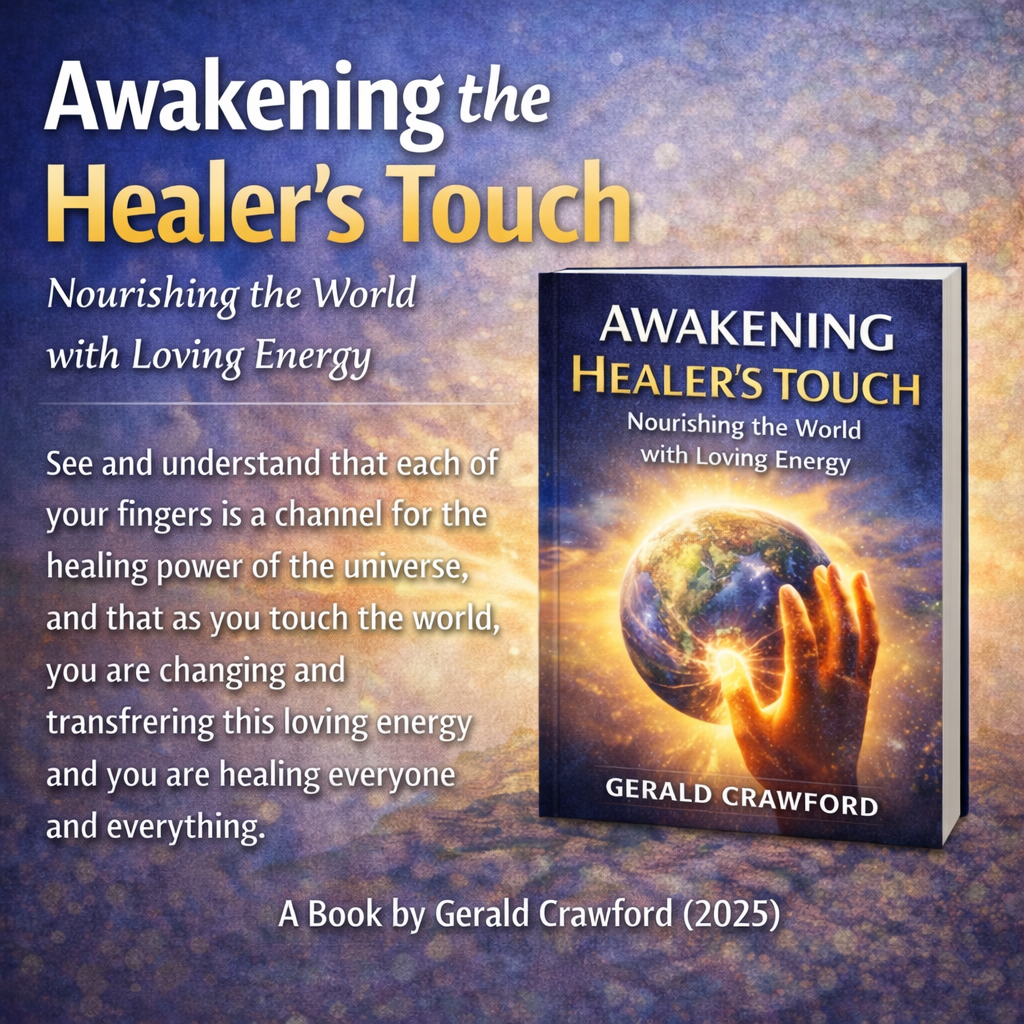
Awakening the Healer’s Touch: Nourishing the the World with Loving Energy – A Book by Gerald Crawford
Click on the button below to make an appointment booking

Make A Donation and Support the Author

This Banner Space is for Rent with a Hyperlink!

Recent Comments