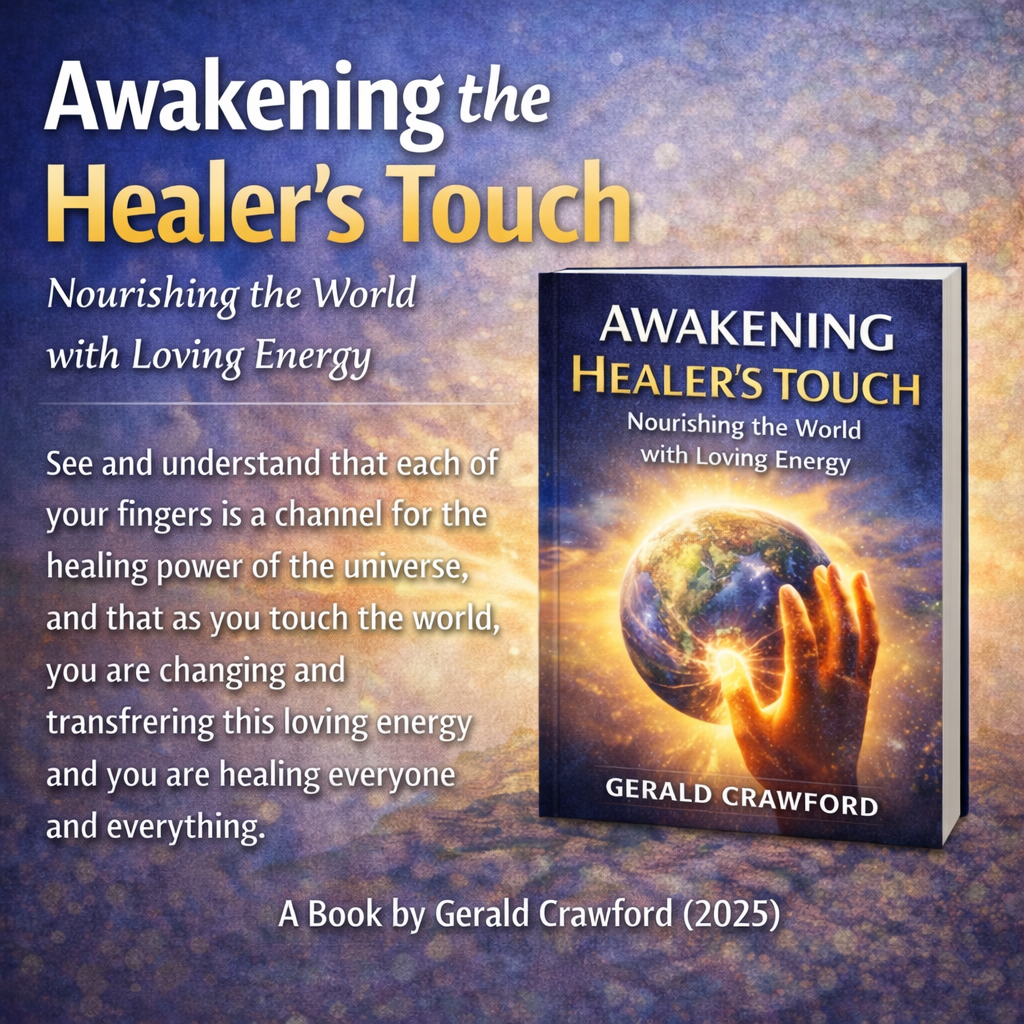
See and understand that each of your finger is a channel for the healing power of the universe, and that as you touch the world, you are changing and transferring this loving energy and you are healing everyone and everything.

Category: Self-Care

What Self-care practices do I need to prioritize as a healer to nourish my mind, body, and spirit?

As a healer, it’s essential to prioritize self-care practices that nourish your mind, body, and spirit. Here are some practices to consider:

Mind:

1. Meditation: Regular meditation helps calm the mind, reduce stress, and increase focus. Even 10-15 minutes a day can be beneficial.

2. Journaling: Reflecting on your thoughts, feelings, and experiences through journaling can help you process your emotions and gain insight into your mind.

3. Reading: Reading books, articles, or online resources on topics that interest you can help expand your knowledge and stimulate your mind.

4. Learning: Engage in ongoing education and training to stay updated on the latest healing practices and techniques.

5. Grounding techniques: Practice grounding techniques, such as deep breathing, progressive muscle relaxation, or visualization, to help manage stress and anxiety.

Body:

1. Exercise: Regular physical activity, such as yoga, walking, or dancing, can help reduce stress, improve mood, and increase energy.

2. Healthy eating: Focus on consuming whole, nutrient-dense foods that promote energy and vitality.

3. Sleep: Prioritize getting 7-8 hours of sleep each night to help your body and mind recharge.

4. Self-care rituals: Engage in self-care rituals, such as taking a warm bath, getting a massage, or practicing yoga, to help relax and rejuvenate your body.

5. Bodywork: Consider receiving regular bodywork, such as massage or acupuncture, to help release tension and promote relaxation.

Spirit:

1. Connection with nature: Spend time in nature, whether walking, hiking, or simply sitting in a park or garden, to help you feel grounded and connected to the natural world.

2. Meditation and prayer: Engage in meditation and prayer practices that help you connect with a higher power or your own inner wisdom.

3. Energy work: Consider practicing energy work, such as Reiki or qigong, to help balance and align your energy.

4. Creative expression: Engage in creative activities, such as painting, drawing, or writing, to help express your emotions and connect with your inner self.

5. Community: Surround yourself with a supportive community of like-minded individuals who share your values and passions.

Additional Tips:

1. Schedule self-care: Treat self-care as a non-negotiable part of your daily or weekly routine.

2. Listen to your body: Pay attention to your physical and emotional needs, and take rest when needed.

3. Set boundaries: Establish clear boundaries with clients, colleagues, and loved ones to protect your time and energy.

4. Practice self-compassion: Treat yourself with kindness, understanding, and patience, just as you would a close friend.

5. Seek support: Surround yourself with a supportive network of peers, mentors, or friends who understand the challenges and rewards of being a healer.

By prioritizing these self-care practices, you’ll be better equipped to nourish your mind, body, and spirit, and maintain your energy and well-being as a healer.


Self-Care: Nourishing the Body, Mind, and Spirit

Self-care is a vital aspect of preparing the Healer’s Touch. Nourishing the body, mind, and spirit is essential to maintaining a healthy, balanced, and compassionate presence.

Here’s a more detailed exploration of self-care practices for each aspect:

Nourishing the Body:

1. Healthy Eating: Focus on whole, nutrient-dense foods like fruits, vegetables, whole grains, lean proteins, and healthy fats.

2. Hydration: Drink plenty of water throughout the day, aiming for at least 8 cups (64 ounces) daily.

3. Exercise: Engage in regular physical activity, such as walking, yoga, or other exercises that bring you joy and help you feel energized.

4. Sleep: Prioritize 7-9 hours of sleep each night to help your body and mind recharge.

5. Bodywork: Treat yourself to massages, acupuncture, or other bodywork therapies to release tension and promote relaxation.

6. Mind work: Take responsibility of what you watch, what you listen to, who you spend your time with and what you read.

Nourishing the Mind:

1. Meditation: Practice mindfulness meditation, guided meditation, or other forms of meditation to calm the mind and reduce stress.

2. Journaling: Write down your thoughts, feelings, and reflections to process your emotions and gain clarity.

3. Reading: Engage with books, articles, or other written materials that inspire, educate, and nourish your mind.

4. Creative Expression: Explore creative activities like painting, drawing, writing, or playing music to express yourself and tap into your imagination.

5. Social Connection: Nurture relationships with loved ones, friends, and community to feel supported and connected.

Nourishing the Spirit:

1. Nature Connection: Spend time in nature, whether it’s walking, hiking, or simply sitting outside, to feel a sense of awe and connection to the natural world.

2. Spiritual Practice: Engage in spiritual practices like prayer, chanting, or yoga to cultivate a sense of inner peace and connection to something greater than yourself.

3. Gratitude Practice: Reflect on the things you’re grateful for each day, no matter how small they may seem, to cultivate a positive and appreciative mindset.

4. Personal Growth: Engage in activities that promote personal growth, such as learning new skills, setting goals, or seeking out new challenges.

5. Self-Reflection: Regularly take time to reflect on your values, intentions, and actions to ensure alignment with your spiritual goals and aspirations.

By incorporating these self-care practices into your daily life, you’ll be better equipped to nourish your body, mind, and spirit, ultimately preparing yourself for the Healer’s Touch and allowing you to offer more compassionate and effective healing to others.

Establish a daily self-care routine

Establish a daily self-care routine: Prioritize activities that nourish your body, mind, and spirit, and make them a non-negotiable part of your daily schedule.

Establishing a daily self-care routine can have a significant impact on both physical and mental well-being. Here’s a step-by-step guide to help you create a daily self-care routine:

Morning Routine (30-60 minutes)

1. Wake up 15-30 minutes earlier: Start by setting your alarm clock 15-30 minutes earlier than usual to allow time for self-care activities.

2. Meditate or practice deep breathing: Begin with 5-10 minutes of meditation or deep breathing exercises to calm your mind and set a positive tone for the day.

3. Stretch or exercise: Engage in some light physical activity, such as yoga or stretching, to get your blood flowing and energy levels up.

4. Journal or reflect: Take a few minutes to write down your thoughts, goals, or gratitudes in a journal to help clarify your thoughts and set intentions.

5. Enjoy a healthy breakfast: Fuel your body with a nutritious breakfast to give you energy and focus for the day ahead.

Throughout the Day

1. Stay hydrated: Drink plenty of water throughout the day to stay energized and focused.

2. Take breaks: Take short breaks every hour to stretch, move around, and rest your eyes.

3. Prioritize tasks: Focus on the most important tasks and break them down into manageable chunks to avoid feeling overwhelmed.

4. Connect with nature: Take a short walk outside or sit by a window to get some natural light and fresh air.

Evening Routine (30-60 minutes)

1. Unwind with a relaxing activity: Engage in a calming activity, such as reading, listening to music, or taking a warm bath, to help you relax and unwind.

2. Practice gratitude: Reflect on your day and write down three things you’re grateful for to help cultivate a positive mindset.

3. Prepare for bed: Gradually wind down by dimming the lights, reducing noise, and cooling down your bedroom to promote a restful night’s sleep.

4. Get ready for bed: Establish a consistent bedtime routine, such as brushing your teeth, changing into comfortable clothes, and turning off electronic devices, to signal to your body that it’s time for sleep.

Additional Tips

1. Listen to your body: Pay attention to your physical and emotional needs and take rest days or adjust your routine as needed.

2. Be consistent: Stick to your routine as much as possible, even on weekends or days off, to establish healthy habits.

3. Make time for activities you enjoy: Incorporate activities that bring you joy and happiness, such as hobbies or spending time with loved ones, into your daily routine.

4. Seek support: Reach out to friends, family, or a therapist if you need additional support or guidance in establishing a self-care routine.

Remember, self-care is not a one-size-fits-all approach. Experiment with different activities and schedules to find what works best for you and your unique needs.

Back a Buddy Show your Support