
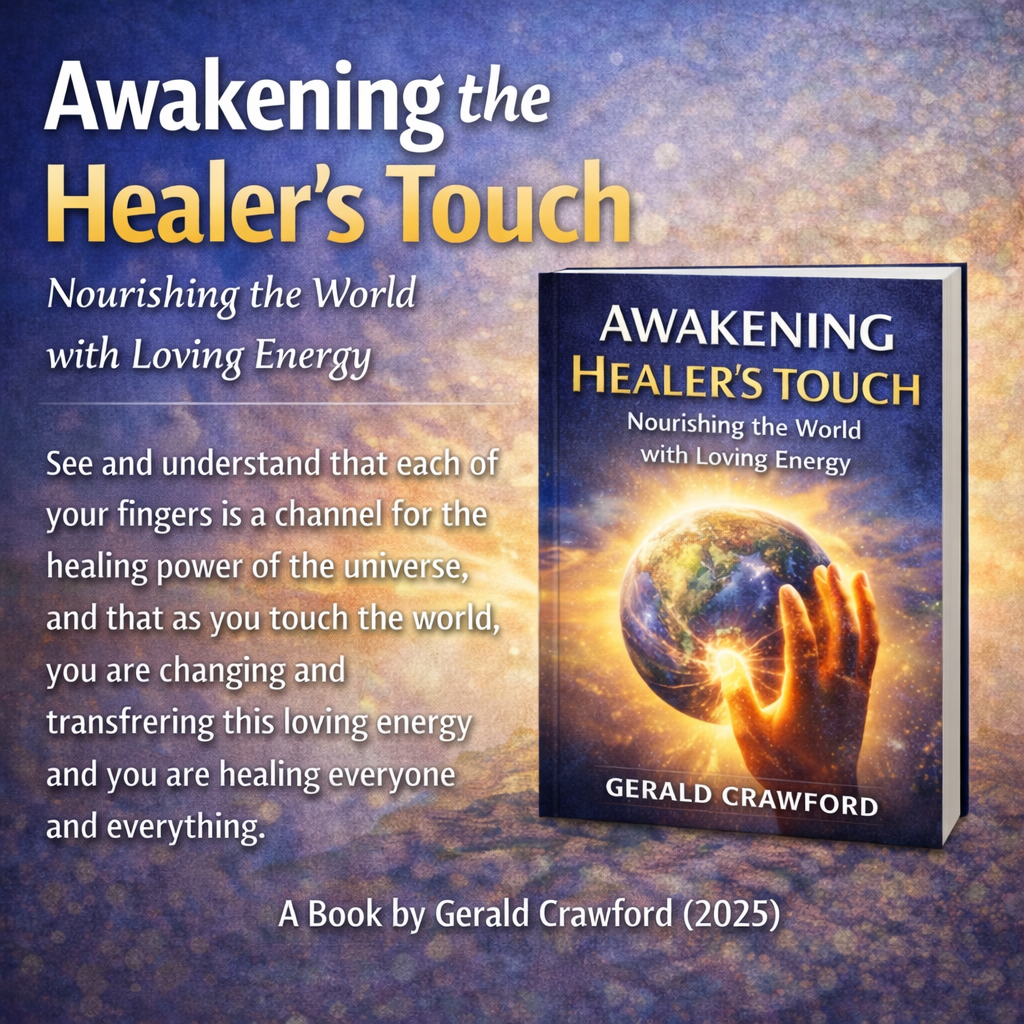
“The Healer’s Touch” is a thought-provoking topic that explores the concept of personal empowerment in the context of healing. The title suggests a deeper look into the relationship between the healer, the patient, and the process of empowering individuals to take control of their own health and well-being.
Personal empowerment is a crucial aspect of the healing process, as it enables individuals to:
1. Take ownership of their health: Take ownership of their health, making informed decisions about their care and treatment.
2. Develop self-awareness and self-regulation skills: Develop self-awareness and self-regulation skills, allowing them to better manage their thoughts, emotions, and behaviors.
3. Build resilience and coping skills: Build resilience and coping skills, enabling them to navigate life’s challenges with greater ease and confidence.
4. Cultivate a positive and growth-oriented mindset: Cultivate a positive and growth-oriented mindset, focusing on possibilities and opportunities for growth and development.
The healer’s role in promoting personal empowerment is multifaceted, and can include:
1. Educating and informing: Educating and informing patients about their condition, treatment options, and self-care strategies.
2. Encouraging self-reflection and self-awareness: Encouraging self-reflection and self-awareness, helping patients to identify their strengths, weaknesses, and areas for growth.
3. Fostering a sense of autonomy and control: Fostering a sense of autonomy and control, empowering patients to make informed decisions about their care and treatment.
4. Providing support and guidance: Providing support and guidance, helping patients to develop the skills and confidence they need to take control of their health and well-being.
By promoting personal empowerment, healers can help patients to:
1. Develop a greater sense of self-efficacy and confidence: Develop a greater sense of self-efficacy and confidence, enabling them to take control of their health and well-being.
2. Improve their health outcomes: Improve their health outcomes, as they become more proactive and engaged in their care.
3. Enhance their overall quality of life: Enhance their overall quality of life, as they cultivate a more positive and growth-oriented mindset.
4. Build stronger, more resilient relationships: Build stronger, more resilient relationships, as they develop greater self-awareness, self-regulation skills, and emotional intelligence.
As we explore “The Healer’s Touch” and personal empowerment, we begin to see the many ways in which this approach can facilitate healing and growth. By empowering individuals to take control of their own health and well-being, healers can help patients to develop a greater sense of autonomy, self-awareness, and self-efficacy, leading to improved health outcomes and a higher quality of life.



Recent Comments