
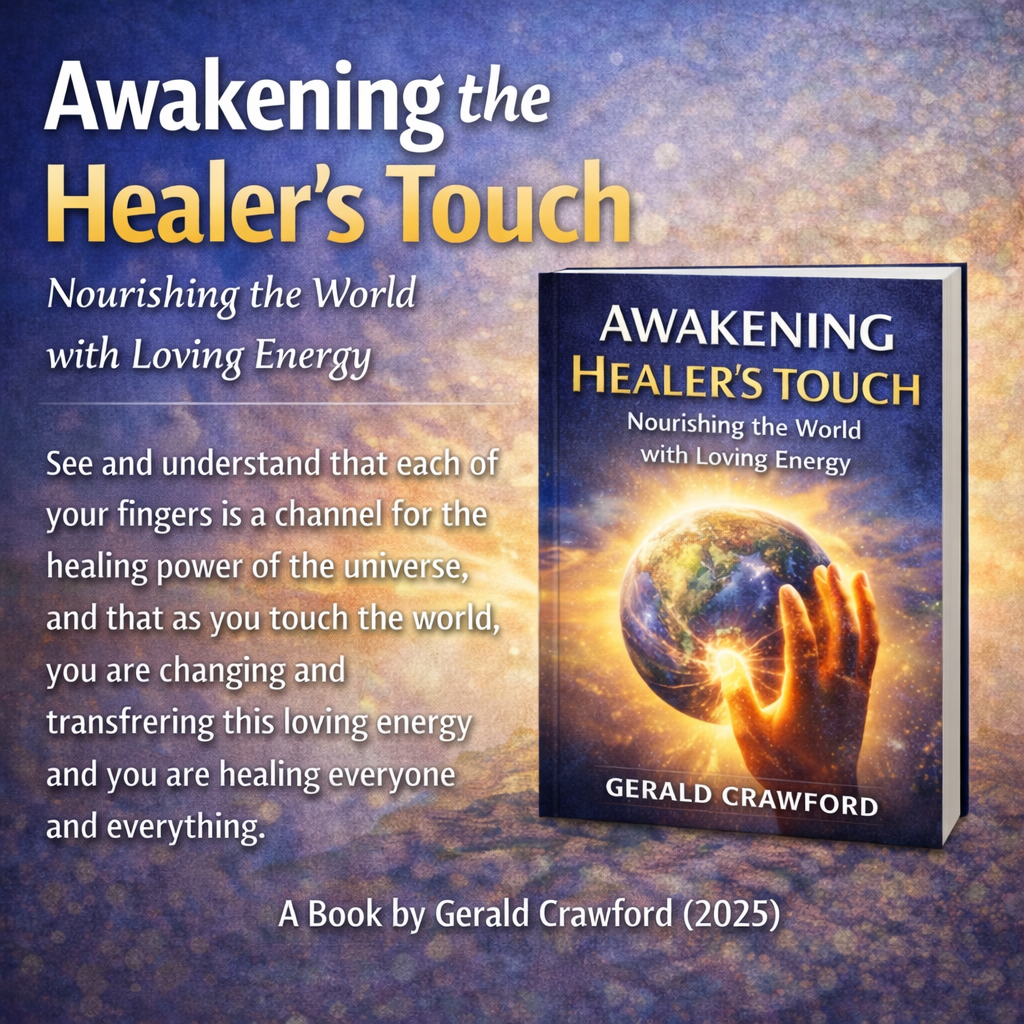
“The Healer’s Touch” is a thought-provoking topic that explores the concept of creating a non-judgmental environment in the context of healing. The title suggests a deeper look into the relationship between the healer, the patient, and the importance of a non-judgmental environment in the healing process.
A non-judgmental environment is essential in the healing process, as it allows patients to:
1. Feel safe and secure: Feel safe and secure, without fear of criticism, judgment, or rejection.
2. Express themselves freely: Express themselves freely, without fear of being judged or criticized.
3. Build trust and rapport: Build trust and rapport with the healer, which is essential for effective communication and healing.
4. Explore their thoughts and feelings: Explore their thoughts and feelings, without fear of judgment or rejection.
5. Develop a sense of self-awareness: Develop a sense of self-awareness, which is essential for personal growth and healing.
The benefits of a non-judgmental environment include:
1. Increased patient satisfaction: Increased patient satisfaction, as patients feel heard, understood, and respected.
2. Improved communication: Improved communication, as patients feel comfortable expressing themselves freely.
3. Enhanced therapeutic relationship: Enhanced therapeutic relationship, as the healer and patient build trust and rapport.
4. Increased patient engagement: Increased patient engagement, as patients feel empowered to take an active role in their healing process.
5. Better health outcomes: Better health outcomes, as patients feel comfortable discussing their concerns and needs.
To create a non-judgmental environment, healers can:
1. Practice active listening: Practice active listening, which involves fully concentrating on what the patient is saying, without interrupting or judging.
2. Use empathetic language: Use empathetic language, which involves acknowledging and validating the patient’s feelings and experiences.
3. Avoid making assumptions: Avoid making assumptions, which involves not jumping to conclusions or making judgments based on limited information.
4. Maintain confidentiality: Maintain confidentiality, which involves respecting the patient’s privacy and not sharing their personal information without consent.
5. Be aware of their own biases: Be aware of their own biases, which involves recognizing and managing their own emotional and cultural biases.
The characteristics of a non-judgmental healer include:
1. Empathy: Empathy, which involves being able to understand and share the feelings of the patient.
2. Compassion: Compassion, which involves being able to show kindness and concern for the patient’s well-being.
3. Active listening: Active listening, which involves fully concentrating on what the patient is saying.
4. Cultural sensitivity: Cultural sensitivity, which involves being aware of and respecting the patient’s cultural background and values.
5. Self-awareness: Self-awareness, which involves being aware of one’s own biases and emotions, and managing them in a way that promotes a non-judgmental environment.
As we explore “The Healer’s Touch” and the concept of a non-judgmental environment, we begin to see the many ways in which a non-judgmental environment can promote healing, trust, and patient satisfaction. By incorporating non-judgmental practices and characteristics, healers can create a safe and supportive environment that empowers patients to take an active role in their healing process.



Recent Comments