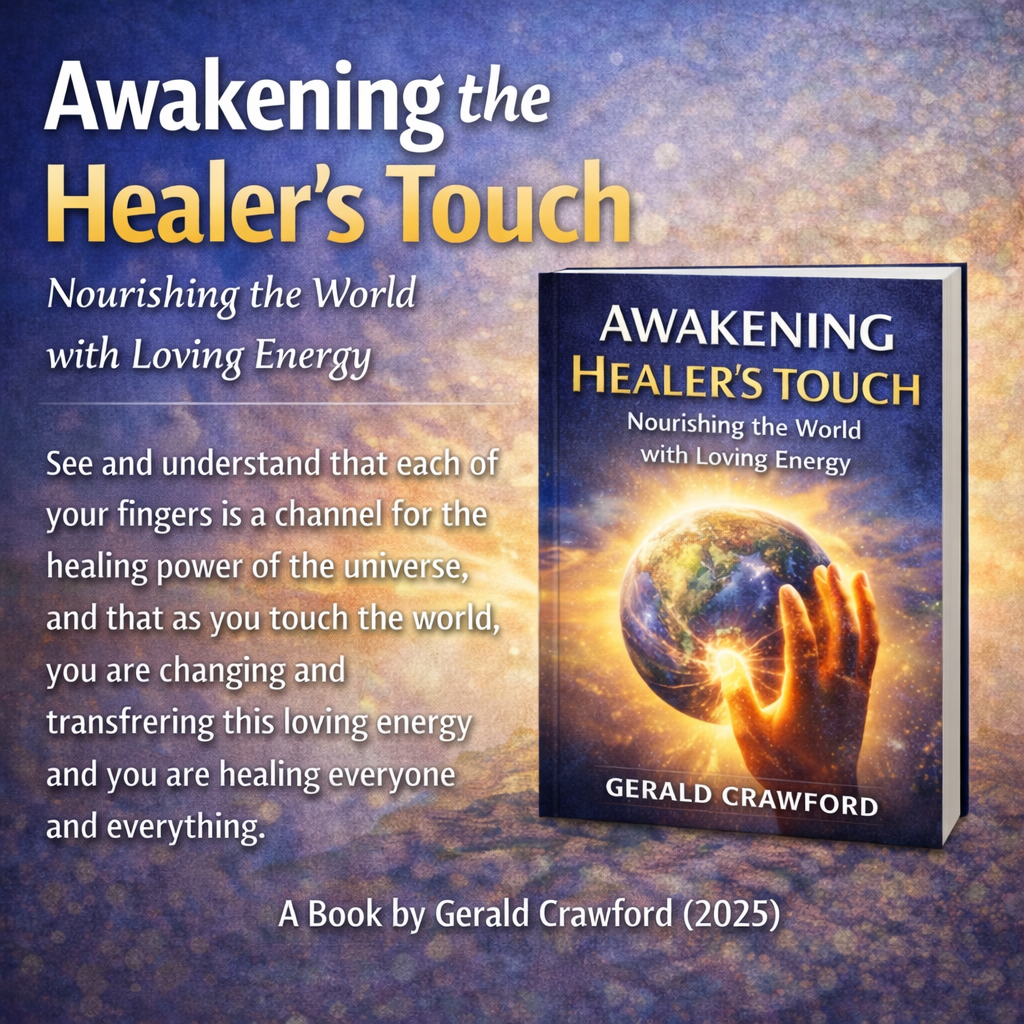
See and understand that each of your finger is a channel for the healing power of the universe, and that as you touch the world, you are changing and transferring this loving energy and you are healing everyone and everything.

Category: Meditation

Loving-Kindness Meditation

Loving-Kindness Meditation: Cultivate feelings of love, compassion, and kindness towards yourself and others, promoting emotional balance and warmth.

Loving-Kindness Meditation, also known as Metta Meditation, is a beautiful practice that cultivates feelings of love, compassion, and kindness towards oneself and others.

What is Loving-Kindness Meditation?

Loving-Kindness Meditation is a type of meditation that involves repeating phrases or mantras to yourself and others, with the intention of cultivating loving-kindness, compassion, and understanding. The practice typically begins with directing kindness towards oneself, then towards friends, neutral people, and eventually towards those you may have difficulty with.

Benefits of Loving-Kindness Meditation

1. Increases feelings of love and compassion: Regular practice can increase positive emotions, such as love, compassion, and empathy.

2. Reduces stress and anxiety: Loving-Kindness Meditation can help calm the mind and reduce stress and anxiety.

3. Improves relationships: By cultivating kindness and understanding towards others, you can improve your relationships and interact with others more positively.

4. Enhances self-acceptance: Practicing loving-kindness towards yourself can increase self-acceptance, self-esteem, and self-compassion.

5. Increases positive social connections: Loving-Kindness Meditation can increase feelings of social connection and community.

How to Practice Loving-Kindness Meditation

1. Find a quiet and comfortable space: Identify a quiet, comfortable, and distraction-free spot where you can sit and meditate.

2. Set aside a regular time: Commit to a regular meditation practice, ideally at the same time each day.

3. Start with yourself: Begin by directing kindness towards yourself, repeating phrases such as:

* “May I be happy”

* “May I be healthy”

* “May I be at peace”

4. Move to friends and loved ones: Direct kindness towards friends and loved ones, repeating phrases such as:

* “May they be happy”

* “May they be healthy”

* “May they be at peace”

5. Include neutral people: Direct kindness towards neutral people, such as acquaintances or strangers, repeating the same phrases.

6. Include those you may have difficulty with: Finally, direct kindness towards those you may have difficulty with, repeating the same phrases.

7. End with a sense of compassion: Conclude your meditation by cultivating a sense of compassion and understanding towards all beings.

Tips for Establishing a Loving-Kindness Meditation Practice

1. Be patient and consistent: Develop a regular practice, and be patient with yourself as you cultivate loving-kindness.

2. Start small: Begin with short sessions and gradually increase the duration.

3. Find a meditation community: Connect with others who practice loving-kindness meditation to stay motivated and inspired.

4. Incorporate loving-kindness into daily activities: Bring loving-kindness into your daily routine by practicing random acts of kindness and compassion towards others.

Remember, the key to Loving-Kindness Meditation is to approach the practice with an open and compassionate heart. With regular practice, you can experience the many benefits of loving-kindness meditation and cultivate a greater sense of love, compassion, and understanding in your life.


 

Guided Meditation

Guided Meditation: Follow a guided meditation to imagine and visualize a peaceful, safe, and nurturing environment, promoting relaxation and calm.

Guided Meditation is a wonderful way to explore the world of meditation, especially if you’re new to the practice or looking for a more structured experience.

What is Guided Meditation?

Guided Meditation is a type of meditation where a guide or teacher leads you through a meditation session, often using a gentle, soothing voice to guide your attention and imagination. The guide may use visualization techniques, breathing exercises, or progressive relaxation to help you relax and focus your mind.

Benefits of Guided Meditation

1. Easy to follow: Guided Meditation is a great way to start meditating, as the guide will walk you through the entire process, making it easy to follow and understand.

2. Relaxation and stress relief: Guided Meditation can help you relax and reduce stress, making it an excellent way to unwind and calm your mind and body.

3. Improved focus and concentration: The guided nature of the meditation can help you stay focused and concentrated, even if your mind tends to wander.

4. Increased self-awareness: Guided Meditation can help you develop a greater understanding of yourself, your thoughts, and your emotions, leading to increased self-awareness and personal growth.

5. Variety of themes and topics: Guided Meditations can cover a wide range of topics, from stress relief and anxiety to sleep improvement, self-confidence, and spiritual growth.

Types of Guided Meditation

1. Relaxation and stress relief: Guided Meditations that focus on relaxation, calming the mind and body, and reducing stress.

2. Visualization: Guided Meditations that use visualization techniques to help you imagine and create a specific outcome or scenario.

3. Body scan: Guided Meditations that focus on scanning the body, releasing tension, and promoting relaxation.

4. Loving-kindness: Guided Meditations that focus on cultivating love, compassion, and kindness towards yourself and others.

5. Sleep improvement: Guided Meditations that help you prepare for sleep, relax, and improve the quality of your sleep.

Where to Find Guided Meditations

1. Apps: Download meditation apps like Headspace, Calm, or Insight Timer, which offer a wide range of guided meditations.

2. YouTube: Search for guided meditations on YouTube, where you can find a vast array of free guided meditations.

3. Podcasts: Listen to meditation podcasts, such as The Meditation Podcast or Guided Meditation, which offer guided meditations on various topics.

4. Websites: Visit websites like Mindful.org or MeditationStudio.com, which offer guided meditations and other meditation resources.

5. Local meditation studios: Look for local meditation studios or classes in your area, which may offer guided meditations and other meditation instruction.

Remember, Guided Meditation is a wonderful way to explore the world of meditation, and with so many resources available, you can find the perfect guided meditation to suit your needs and interests.

Transcendental Meditation

Transcendental Meditation: Use a mantra to quiet the mind, access deeper states of consciousness, and experience a sense of unity and connection.

Transcendental Meditation is a specific form of meditation that has been widely practiced and studied for its benefits on mental, emotional, and physical well-being.

What is Transcendental Meditation?

Transcendental Meditation is a technique of meditation that involves the use of a mantra, which is a word or sound that is Given to the practitioner by a certified teacher. The mantra is used to help the mind settle down and experience a deeper state of consciousness, known as “pure consciousness.” This state is characterized by a sense of inner peace, calmness, and awareness.

How to Practice Transcendental Meditation

1. Find a certified teacher: Transcendental Meditation can only be learned from a certified teacher, who will provide you with a personalized mantra and instruction on how to practice the technique.

2. Sit comfortably: Find a quiet and comfortable place to sit, with your eyes closed, and begin to repeat your mantra to yourself.

3. Experience the mantra: Allow the mantra to become the focus of your attention, and let go of any thoughts or distractions.

4. 20 minutes, twice a day: Practice Transcendental Meditation for 20 minutes, twice a day, to experience the full benefits of the technique.

Benefits of Transcendental Meditation

1. Reduces stress and anxiety: Transcendental Meditation has been shown to reduce stress and anxiety by promoting relaxation and calmness.

2. Improves mental clarity and focus: The technique can improve mental clarity, focus, and concentration, leading to greater productivity and creativity.

3. Enhances self-awareness: Transcendental Meditation can increase self-awareness, self-esteem, and self-acceptance, leading to greater personal growth and development.

4. Improves emotional well-being: The technique can lead to greater emotional stability, emotional intelligence, and emotional well-being.

5. Supports physical health: Transcendental Meditation has been shown to have a positive impact on physical health, including reducing blood pressure, improving cardiovascular health, and boosting the immune system.

Tips for Getting the Most Out of Transcendental Meditation

1. Commit to a regular practice: Make Transcendental Meditation a regular part of your daily routine, ideally twice a day.

2. Find a quiet and comfortable space: Identify a quiet and comfortable place to practice, free from distractions and interruptions.

3. Be patient and consistent: Allow yourself time to settle into the practice, and be patient with yourself as you experience the benefits of Transcendental Meditation.

4. Seek out a community: Connect with other Transcendental Meditation practitioners to stay motivated and inspired.

Remember, Transcendental Meditation is a unique and powerful technique that can have a profound impact on your life. By committing to a regular practice and following the guidelines provided by a certified teacher, you can experience the many benefits of Transcendental Meditation and enjoy a greater sense of inner peace, calmness, and well-being.

This article is written to promote and support:

Awakening the Healer’s Touch: Nourishing the World with Loving Energy – A Book by Gerald Crawford (2025)

See and understand that each of your finger is a channel for the healing power of the universe, and that as you touch the world, you are changing and transferring this loving energy and you are healing everyone and everything.

Please have a look at:

Mindfulness Meditation

Mindfulness Meditation: Focus on the present moment, without judgment or attachment, to cultivate awareness and calm.

Mindfulness meditation is a valuable practice that can bring numerous benefits to both body and mind. Here’s an overview:

What is Mindfulness Meditation?

Mindfulness meditation is a type of meditation that involves paying attention to the present moment in a non-judgmental way. It involves cultivating awareness of your thoughts, feelings, and sensations without getting caught up in them. The goal is to develop a sense of clarity, calmness, and insight into your experiences.

Benefits of Mindfulness Meditation

1. Reduces stress and anxiety: Mindfulness meditation has been shown to decrease the production of stress hormones like cortisol, leading to a sense of calm and relaxation.

2. Improves emotional regulation: By becoming more aware of your thoughts and emotions, you can better manage your emotional responses and develop a more positive outlook.

3. Enhances focus and concentration: Regular mindfulness practice can improve attention and reduce mind-wandering.

4. Boosts mood: Mindfulness meditation can increase the production of neurotransmitters like serotonin and dopamine, which can help alleviate symptoms of depression.

5. Improves sleep: Practicing mindfulness meditation can help you relax and prepare for a restful night’s sleep.

6. Increases self-awareness: Mindfulness meditation can help you develop a better understanding of your values, goals, and motivations.

7. Supports physical health: Studies have shown that mindfulness meditation can lower blood pressure, reduce chronic pain, and strengthen the immune system.

How to Practice Mindfulness Meditation

1. Find a quiet and comfortable space: Identify a quiet, comfortable, and distraction-free spot where you can sit and meditate.

2. Set aside a regular time: Commit to a regular meditation practice, ideally at the same time each day.

3. Focus on your breath: Bring your attention to your breath, feeling the sensation of the air entering and leaving your nostrils.

4. When your mind wanders, gently bring it back: Notice when your mind starts to wander, and gently bring your attention back to your breath without judgment.

5. Start with short sessions: Begin with short sessions (5-10 minutes) and gradually increase the duration as you become more comfortable with the practice.

6. Use guided meditations: Utilize guided meditations or apps like Headspace or Calm to help you get started.

Tips for Establishing a Mindfulness Meditation Practice

1. Be patient and consistent: Develop a regular practice, and be patient with yourself as you cultivate mindfulness.

2. Start small: Begin with short sessions and gradually increase the duration.

3. Find a meditation community: Connect with others who practice mindfulness meditation to stay motivated and inspired.

4. Incorporate mindfulness into daily activities: Bring mindfulness into your daily routine by paying attention to your thoughts, feelings, and sensations during everyday activities like eating, walking, or showering.

Remember, the key to mindfulness meditation is to approach the practice with an open and non-judgmental mind. With regular practice, you can experience the many benefits of mindfulness meditation and cultivate a greater sense of calm, clarity, and well-being in your life.

Back a Buddy Show your Support