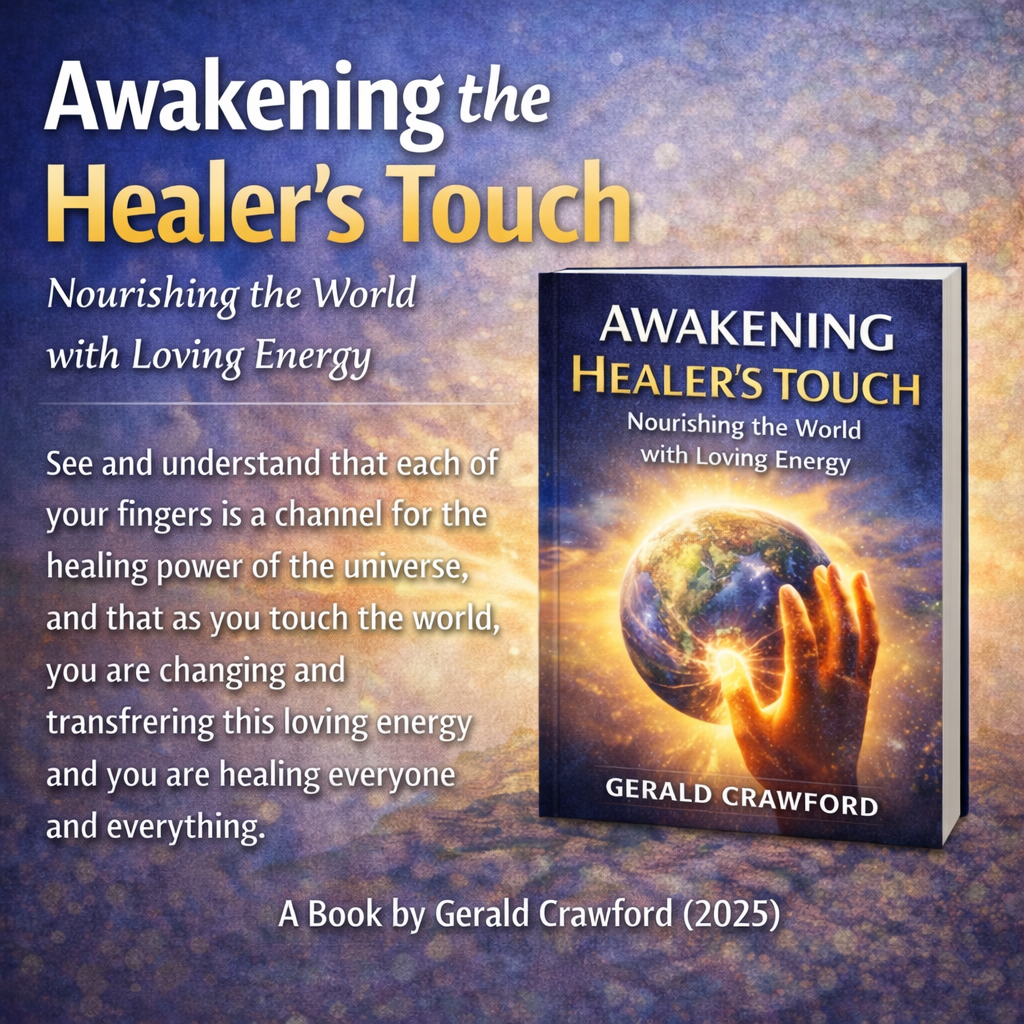
See and understand that each of your finger is a channel for the healing power of the universe, and that as you touch the world, you are changing and transferring this loving energy and you are healing everyone and everything.

Category: Healing Others (Page 2 of 3)

How can the understanding of the Swadhishthana Chakra – Sacral Chakra be used for healing.

The understanding of the Swadhishthana Chakra, also known as the Sacral Chakra, can be used for healing in several ways:

1. Emotional Healing: The Swadhishthana Chakra is associated with emotions, creativity, and pleasure. By working with this chakra, healers can help clients release and heal from emotional trauma, promoting emotional balance and well-being.

2. Creative Expression: The Swadhishthana Chakra is linked to creative expression, including art, music, and other forms of self-expression. By working with this chakra, healers can help clients tap into their creative potential, promoting inspiration and imagination.

3. Relationship Healing: The Swadhishthana Chakra is associated with relationships, including romantic relationships, friendships, and family relationships. By working with this chakra, healers can help clients heal from relationship trauma, promoting healthy and fulfilling relationships.

4. Sexuality and Intimacy: The Swadhishthana Chakra is linked to sexuality and intimacy, including issues related to sexual dysfunction, intimacy, and emotional connection. By working with this chakra, healers can help clients address these issues, promoting healthy and fulfilling relationships.

5. Physical Healing: The Swadhishthana Chakra is associated with the reproductive organs, including the ovaries, testes, and uterus. By working with this chakra, healers can help clients alleviate physical symptoms such as menstrual cramps, infertility, and sexual dysfunction.

Techniques for Healing with the Swadhishthana Chakra:

1. Meditation: Guided meditation can be used to focus the client’s attention on the Swadhishthana Chakra, promoting relaxation, emotional balance, and creative expression.

2. Breathwork: Conscious breathing techniques can be used to stimulate the Swadhishthana Chakra, promoting energy flow and balance.

3. Visualization: Visualization techniques can be used to imagine a bright, orange light at the lower abdomen, filling the body with energy and creativity.

4. Sound Healing: Sound healing techniques, such as toning or drumming, can be used to stimulate the Swadhishthana Chakra, promoting energy flow and balance.

5. Gemstones and Crystals: Gemstones and crystals, such as carnelian or orange calcite, can be used to connect with the Swadhishthana Chakra, promoting energy balance and healing.

6. Reiki or Energy Work: Reiki or energy work can be used to channel healing energy into the Swadhishthana Chakra, promoting energy balance and healing.

7. Yoga or Movement: Yoga or movement practices can be used to stimulate the Swadhishthana Chakra, promoting energy flow and balance.

Benefits of Healing with the Swadhishthana Chakra:

1. Improved Emotional Balance: Healing with the Swadhishthana Chakra can promote emotional balance, reducing feelings of anxiety, fear, and emotional turmoil.

2. Increased Creativity: Healing with the Swadhishthana Chakra can increase creativity, promoting inspiration and imagination.

3. Healthy Relationships: Healing with the Swadhishthana Chakra can promote healthy and fulfilling relationships, including romantic relationships, friendships, and family relationships.

4. Improved Sexuality and Intimacy: Healing with the Swadhishthana Chakra can promote healthy and fulfilling sexuality and intimacy, including addressing issues related to sexual dysfunction and emotional connection.

5. Physical Health: Healing with the Swadhishthana Chakra can promote physical health, alleviating symptoms such as menstrual cramps, infertility, and sexual dysfunction.

By understanding and working with the Swadhishthana Chakra, healers can provide a holistic approach to healing, addressing the emotional, creative, and physical needs of their clients.


How can the understanding of the Muladhara Chakra – Root Chakra be used for healing.

The understanding of the Muladhara Chakra, also known as the Root Chakra, can be used for healing in several ways:

1. Grounding and Stabilization: The Muladhara Chakra is associated with feelings of safety and security. By working with this chakra, healers can help clients feel more grounded and stable, which can be especially helpful for those experiencing anxiety, fear, or trauma.

2. Energy Balance: The Muladhara Chakra is also associated with the flow of energy in the body. By balancing the energy in this chakra, healers can help clients restore their overall energy balance, which can lead to improved physical, emotional, and mental health.

3. Emotional Healing: The Muladhara Chakra is linked to emotions such as fear, anxiety, and insecurity. By working with this chakra, healers can help clients release and heal from emotional trauma, promoting emotional balance and well-being.

4. Physical Healing: The Muladhara Chakra is associated with the physical body, particularly the legs, feet, and spine. By working with this chakra, healers can help clients alleviate physical symptoms such as lower back pain, sciatica, and problems with the feet or legs.

5. Spiritual Connection: The Muladhara Chakra is also connected to our sense of spiritual purpose and connection to the world around us. By working with this chakra, healers can help clients deepen their spiritual connection, promoting a sense of meaning and purpose in life.

Techniques for Healing with the Muladhara Chakra:

1. Meditation: Guided meditation can be used to focus the client’s attention on the Muladhara Chakra, promoting relaxation, grounding, and energy balance.

2. Breathwork: Conscious breathing techniques can be used to stimulate the Muladhara Chakra, promoting energy flow and balance.

3. Visualization: Visualization techniques can be used to imagine a bright, red light at the base of the spine, filling the body with energy and vitality.

4. Sound Healing: Sound healing techniques, such as toning or drumming, can be used to stimulate the Muladhara Chakra, promoting energy flow and balance.

5. Gemstones and Crystals: Gemstones and crystals, such as garnet or red jasper, can be used to connect with the Muladhara Chakra, promoting energy balance and healing.

6. Reiki or Energy Work: Reiki or energy work can be used to channel healing energy into the Muladhara Chakra, promoting energy balance and healing.

7. Yoga or Movement: Yoga or movement practices can be used to stimulate the Muladhara Chakra, promoting energy flow and balance.

Benefits of Healing with the Muladhara Chakra:

1. Improved Emotional Balance: Healing with the Muladhara Chakra can promote emotional balance, reducing feelings of anxiety, fear, and emotional turmoil.

2. Increased Energy: Healing with the Muladhara Chakra can increase energy levels, promoting physical and mental vitality.

3. Enhanced Sense of Safety: Healing with the Muladhara Chakra can enhance feelings of safety and security, promoting a sense of grounding and stability.

4. Improved Physical Health: Healing with the Muladhara Chakra can promote physical health, alleviating symptoms such as lower back pain, sciatica, and problems with the feet or legs.

5. Deeper Spiritual Connection: Healing with the Muladhara Chakra can promote a deeper spiritual connection, enhancing a sense of meaning and purpose in life.

Tips for Healers:

1. Connect with Your Own Energy: Before working with a client, connect with your own energy and center yourself in your own Muladhara Chakra.

2. Set Clear Intention: Set clear intention and focus your attention on the client’s Muladhara Chakra.

3. Use Your Hands: Use your hands to connect with the client’s energy and channel healing energy.

4. Listen to Your Intuition: Listen to your intuition and trust your instincts when working with the client’s energy.

5. Respect Boundaries: Respect the client’s boundaries and work within their comfort zone.

By understanding and working with the Muladhara Chakra, healers can provide a holistic approach to healing, addressing the physical, emotional, and spiritual needs of their clients.

Healing Others – Introduction to various techniques for working with others, including partner work and group healing

Healing others is a beautiful and rewarding experience. As we explore this topic, I want to introduce you to various techniques for working with others, including partner work and group healing.

Partner Work

Partner work is a powerful way to heal and connect with others, as it allows for a deeper level of intimacy and understanding. Partner work can include:

1. Energy exchange: Exchanging energy with a partner, where you both give and receive energy to promote healing and balance.

2. Breathwork: Practicing breathwork with a partner, where you both breathe together to promote relaxation and connection.

3. Bodywork: Practicing bodywork with a partner, where you both work together to release tension and promote relaxation.

4. Meditation: Meditating with a partner, where you both sit together in silence to promote connection and inner peace.

Group Healing

Group healing is a powerful way to heal and connect with others, as it allows for a collective energetic resonance that can amplify the healing process. Group healing can include:

1. Group meditation: Meditating in a group setting, where everyone sits together in silence to promote connection and inner peace.

2. Group energy work: Practicing energy work in a group setting, where everyone works together to promote healing and balance.

3. Group breathwork: Practicing breathwork in a group setting, where everyone breathes together to promote relaxation and connection.

4. Group sound healing: Practicing sound healing in a group setting, where everyone is surrounded by healing sounds to promote relaxation and connection.

Techniques for Working with Others

There are many techniques that can be used when working with others, including:

1. Active listening: Listening deeply and attentively to the other person, to promote understanding and connection.

2. Empathy and compassion: Practicing empathy and compassion, to promote a sense of safety and connection.

3. Energy sensing: Sensing the energy of the other person, to promote understanding and connection.

4. Intuitive guidance: Trusting your intuition to guide you in the healing process, to promote a sense of trust and connection.

Benefits of Working with Others

Working with others can be incredibly beneficial, as it allows for:

1. Deeper connection: Forming deeper connections with others, to promote a sense of community and belonging.

2. Increased empathy: Developing increased empathy and understanding for others, to promote a sense of compassion and kindness.

3. Amplified healing: Amplifying the healing process, as the collective energetic resonance of the group can enhance the healing energy.

4. Personal growth: Promoting personal growth and development, as working with others can help you develop new skills and perspectives.

Tips for Working with Others

When working with others, it’s essential to:

1. Establish clear boundaries: Establishing clear boundaries, to promote a sense of safety and respect.

2. Communicate effectively: Communicating effectively, to promote understanding and connection.

3. Be present and mindful: Being present and mindful, to promote a sense of connection and awareness.

4. Trust your intuition: Trusting your intuition, to guide you in the healing process and promote a sense of trust and connection.

Conclusion

Healing others is a beautiful and rewarding experience. By using various techniques for working with others, including partner work and group healing, you can form deeper connections and promote healing and growth. Remember to establish clear boundaries, communicate effectively, be present and mindful, and trust your intuition to guide you in the healing process. By working with others, you can amplify the healing process, promote personal growth, and develop a sense of community and connection.

Healing Others – Discussion of the importance of boundaries, consent, and communication in healing others

Healing others is a beautiful and rewarding experience. As we explore this topic, I want to emphasize the importance of boundaries, consent, and communication in healing others.

The Importance of Boundaries

Boundaries are essential in any healing relationship, as they help establish a safe and respectful environment for both the healer and the person being healed. Boundaries can include:

1. Physical boundaries: Establishing physical boundaries, such as personal space and touch, to ensure comfort and consent.

2. Emotional boundaries: Establishing emotional boundaries, such as maintaining a neutral and non-judgmental attitude, to ensure emotional safety.

3. Energetic boundaries: Establishing energetic boundaries, such as shielding and grounding, to protect against energy drain or contamination.

The Importance of Consent

Consent is a critical aspect of any healing relationship, as it ensures that the person being healed is fully aware and comfortable with the healing process. Consent can include:

1. Informed consent: Obtaining informed consent, where the person being healed is fully aware of the healing process, its benefits, and its risks.

2. Ongoing consent: Ensuring ongoing consent, where the person being healed can withdraw their consent at any time, and the healer respects their decision.

3. Explicit consent: Obtaining explicit consent, where the healer and the person being healed have a clear understanding of the healing process and its boundaries.

The Importance of Communication

Communication is essential in any healing relationship, as it ensures that both the healer and the person being healed are on the same page and working together towards a common goal. Communication can include:

1. Active listening: Practicing active listening, where the healer fully attends to the person being healed, and responds in a empathetic and understanding manner.

2. Clear and concise language: Using clear and concise language, where the healer explains the healing process, its benefits, and its risks, in a way that is easy to understand.

3. Regular check-ins: Regularly checking in with the person being healed, to ensure that they are comfortable and satisfied with the healing process, and making adjustments as needed.

The Consequences of Poor Boundaries, Consent, and Communication

Poor boundaries, consent, and communication can have serious consequences, including:

1. Emotional trauma: Causing emotional trauma to the person being healed, which can lead to feelings of vulnerability, anxiety, and mistrust.

2. Energetic contamination: Allowing energetic contamination, where the healer’s energy is drained or contaminated, leading to burnout and decreased effectiveness.

3. Physical harm: Causing physical harm, where the person being healed is injured or exacerbated by the healing process, due to poor boundaries or lack of consent.

Best Practices for Establishing Boundaries, Consent, and Communication

To establish boundaries, consent, and communication in healing others, consider the following best practices:

1. Establish clear boundaries: Establish clear boundaries, both physical and emotional, to ensure a safe and respectful environment.

2. Obtain informed consent: Obtain informed consent, where the person being healed is fully aware of the healing process, its benefits, and its risks.

3. Practice active listening: Practice active listening, where the healer fully attends to the person being healed, and responds in a empathetic and understanding manner.

4. Use clear and concise language: Use clear and concise language, where the healer explains the healing process, its benefits, and its risks, in a way that is easy to understand.

5. Regularly check-in: Regularly check-in with the person being healed, to ensure that they are comfortable and satisfied with the healing process, and making adjustments as needed.

Conclusion

Healing others is a beautiful and rewarding experience. However, it is essential to prioritize boundaries, consent, and communication to ensure a safe and respectful environment for both the healer and the person being healed. By establishing clear boundaries, obtaining informed consent, and practicing active listening, healers can create a safe and effective healing environment, and avoid the consequences of poor boundaries, consent, and communication. Remember, boundaries, consent, and communication are the foundation of any healing relationship, and are essential for creating a positive and transformative healing experience.

Healing Others – Step-by-step guide to healing others with the Healer’s Touch, including exercises and practices for developing sensitivity and awareness

Healing others with the Healer’s Touch is a beautiful and rewarding experience. As we explore this topic, I’ll provide a step-by-step guide to help you develop the skills and sensitivity needed to heal others with confidence and compassion.

Preparation: Developing Sensitivity and Awareness

Before we dive into the step-by-step guide, it’s essential to prepare yourself by developing sensitivity and awareness. This can be achieved through:

1. Meditation and mindfulness: Regular meditation and mindfulness practice can help you cultivate a deeper sense of awareness and sensitivity to the energies around you.

2. Energy work: Engage in energy work such as Reiki, qigong, or sound healing to develop your ability to sense and balance energy.

3. Self-reflection and introspection: Take time to reflect on your own thoughts, emotions, and experiences, allowing you to better understand yourself and others.

Step-by-Step Guide to Healing Others with the Healer’s Touch

Now that you’ve prepared yourself, let’s move on to the step-by-step guide:

Step 1: Create a Sacred Space

1. Set intentions: Set your intentions to create a safe, loving, and peaceful space for healing.

2. Clear the energy: Use smudging, sound, or other energy-clearing techniques to remove any stagnant or negative energy from the space.

3. Establish a calming atmosphere: Use calming music, dim lighting, or soothing scents to create a peaceful ambiance.

Step 2: Connect with the Person to be Healed

1. Establish a connection: Greet the person with kindness, compassion, and empathy, establishing a connection and building trust.

2. Listen actively: Listen attentively to their concerns, needs, and emotions, acknowledging their experiences and validating their feelings.

3. Use calming techniques: Use calming techniques such as deep breathing, gentle touch, or soothing words to help the person relax and feel at ease.

Step 3: Scan and Assess the Energy

1. Scan the energy: Use your developed sensitivity to scan the person’s energy, identifying areas of imbalance, blockages, or tension.

2. Assess the energy: Assess the energy to determine the underlying causes of the imbalance, whether physical, emotional, or spiritual.

3. Develop a plan: Develop a plan to address the energy imbalance, using your knowledge and skills to create a personalized healing approach.

Step 4: Apply the Healer’s Touch

1. Use gentle touch: Use gentle, loving touch to connect with the person’s energy, applying pressure or gentle strokes as needed.

2. Channel energy: Channel energy from the universe, using your intention and connection to the divine to facilitate healing.

3. Focus on specific areas: Focus on specific areas of the body or energy field, using your knowledge and intuition to guide your touch.

Step 5: Monitor and Adjust

1. Monitor the energy: Continuously monitor the energy, adjusting your approach as needed to ensure a balanced and harmonious flow.

2. Adjust your touch: Adjust your touch, pressure, or technique to address any changes or shifts in the energy.

3. Communicate with the person: Communicate with the person, providing reassurance, guidance, and support throughout the healing process.

Step 6: Seal and Protect the Energy

1. Seal the energy: Seal the energy, using your intention and connection to the divine to protect and preserve the healing work.

2. Ground the energy: Ground the energy, ensuring that the person’s energy is stable and balanced.

3. Offer guidance and support: Offer guidance and support, providing the person with tools and techniques to maintain their energy and continue the healing process.

Exercises and Practices for Developing Sensitivity and Awareness

To further develop your sensitivity and awareness, try the following exercises and practices:

1. Meditation: Practice meditation to cultivate a deeper sense of awareness and connection to the energies around you.

2. Energy work: Engage in energy work such as Reiki, qigong, or sound healing to develop your ability to sense and balance energy.

3. Sensory exploration: Explore your senses, using sight, sound, touch, taste, and smell to develop your awareness and sensitivity.

4. Empathy and compassion: Practice empathy and compassion, using active listening and validation to connect with others and understand their experiences.

Conclusion

Healing others with the Healer’s Touch is a beautiful and rewarding experience. By following this step-by-step guide and practicing the exercises and techniques outlined, you’ll be well on your way to developing the skills and sensitivity needed to heal others with confidence and compassion. Remember to always approach each person with kindness, empathy, and understanding, and to trust in the power of the Healer’s Touch to facilitate deep and lasting healing.

« Older posts Newer posts »
Back a Buddy Show your Support