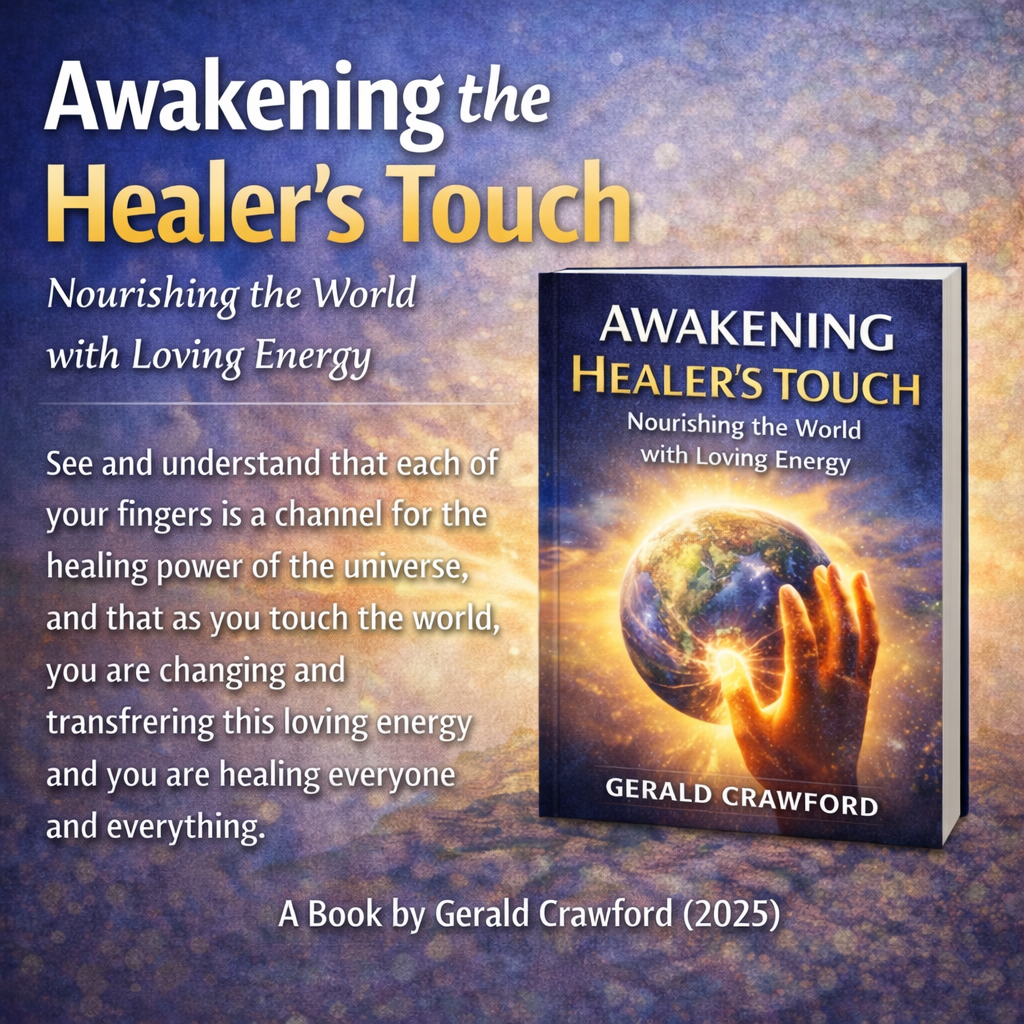
See and understand that each of your finger is a channel for the healing power of the universe, and that as you touch the world, you are changing and transferring this loving energy and you are healing everyone and everything.

Category: Healer’s Touch (Page 1 of 9)

Emotional, Relational, or Spiritual Healing

Below is a mind–body (psychosomatic) map that shows how physical pain often mirrors subconscious, emotional, or unresolved inner states.

This does not replace medical diagnosis, but it can reveal where healing may also be emotional, relational, or spiritual.


Head, Face and Neck

Headaches / Migraines
* Mental overload
* Perfectionism, pressure, overthinking
* Suppressed anger or self-criticism

Jaw / Teeth
* Repressed anger
* Unspoken truth
* Holding back words or needs

Neck Pain
* Inflexibility
* Resistance to seeing another perspective
* Stubbornness or unresolved conflict


Chest, Heart and Upper Back

Chest / Heart Area
* Grief, heartbreak
* Emotional loss
* Fear of vulnerability or rejection

Upper Back / Shoulders
* Carrying emotional burdens
* Responsibility for others
* Feeling unsupported


Lungs and Breath

Lungs / Breathing Issues
* Suppressed sadness
* Fear of fully living
* Feeling restricted or controlled


Stomach, Gut and Digestive System

Stomach Pain / Nausea
* Anxiety
* Fear of the future
* Difficulty “digesting” life situations

Gut / Intestines
* Unprocessed emotions
* Holding onto the past
* Control issues


Lower Back, Hips and Pelvis

Lower Back Pain
* Fear around money or survival
* Lack of support
* Feeling unsafe

Hips / Pelvis
* Suppressed sexuality or creativity
* Fear of moving forward
* Emotional stagnation


Legs, Knees and Feet

Knees
* Pride, ego rigidity
* Resistance to humility
* Difficulty surrendering

Legs
* Fear of moving forward
* Life direction uncertainty

Feet
* Insecurity
* Lack of grounding
* Feeling unsupported by life


Arms, Hands and Wrists

Arms
* Struggles with giving or receiving
* Relationship imbalance

Hands / Wrists
* Control issues
* Fear of letting go
* Difficulty accepting help


Core Principle

The body never lies.
Pain often appears where truth is ignored, emotion is suppressed, or boundaries are violated.

When emotional pain is not felt, the body feels it for us.


Gentle Healing Questions

* What emotion am I avoiding?
* Where am I not being honest with myself?
* What truth wants to be expressed?
* What am I holding that needs releasing?

Rediscover your Healer’s Touch with Hypnotherapy

Here’s a script for a hypnotherapy session focused on rediscovering your healer’s touch:

Introduction

(Soothing music starts playing. Speak in a calm, gentle voice)

“Welcome to this hypnotherapy session, where you’ll rediscover your healer’s touch. Allow yourself to settle in, get comfortable, and take a deep breath in through your nose and out through your mouth. Feel the air fill your lungs, and then release any tension or stress as you exhale.

Imagine yourself in a peaceful, serene environment, surrounded by nature’s beauty. Notice the sensations in your body, the sounds around you, and the sensation of the air on your skin. Take another deep breath in, and as you exhale, allow any worries or concerns to melt away.”

Induction

“Close your eyes, and take a deep breath in. As you inhale, imagine fresh, calming energy entering your body. As you exhale, imagine any doubts or fears leaving your body. Repeat this process a few times, allowing yourself to relax further with each breath.

Now, imagine yourself standing at the top of a staircase. With each step down, you’ll become more relaxed, more focused, and more connected to your inner healer. Take the first step down, and feel your body relax a bit more. Take the second step down, and notice your mind quieting. Take the third step down, and sense your heart opening up to its full potential.

As you reach the bottom of the stairs, imagine yourself in a peaceful, safe space. You’re surrounded by a warm, comforting light that fills you with a sense of calm and tranquility.”

Deepening

“Imagine this light growing brighter, filling your entire body with its soothing energy. As it spreads, it dissolves any tension, any stress, or any doubts you may have. You feel your muscles relaxing, your mind quieting, and your heart opening up to its full potential.

Now, bring to mind a memory of a time when you felt fully connected to your healer’s touch. It could be a moment when you helped someone, or when someone helped you. Recall the sensations, the emotions, and the thoughts you experienced during that moment. Allow yourself to relive that experience, and feel the sense of compassion, empathy, and understanding that comes with it.

As you relive this memory, imagine that you’re absorbing the essence of your healer’s touch. You’re rediscovering the qualities that make you a compassionate, caring, and skilled healer. Allow these qualities to grow stronger, to become more vibrant, and to fill you with confidence and purpose.”

Healer’s Touch Visualization

“Imagine that you’re now surrounded by a warm, golden light. This light represents your healer’s touch, and it’s filling you with its nurturing energy. As you breathe in, imagine that you’re inhaling this light, and it’s spreading throughout your body.

Visualize your hands, filled with this golden light. See them glowing with an otherworldly energy, as if they’re infused with the power to heal and comfort. Imagine that you’re using your hands to touch someone who needs your help. It could be a friend, a family member, or even yourself.

As you touch this person, imagine that your healer’s touch is flowing through you, filling them with calm, comfort, and peace. See their face relax, their body unwind, and their spirit lift. Know that you’re making a positive difference in their life, and that your touch is a source of healing and comfort.

Repeat the following phrase to yourself, allowing its truth to sink deep into your mind and heart: ‘I am a skilled and compassionate healer, and my touch has the power to comfort and transform.'”

Counting Up and Grounding

“Take a deep breath in, and as you exhale, imagine that you’re slowly coming back to the present moment. Take a moment to notice how you’re feeling, and acknowledge any shifts or insights you’ve experienced during this session.

When you’re ready, slowly open your eyes. Take a deep breath in, and as you exhale, say to yourself: ‘I am refreshed, renewed, and ready to share my healer’s touch with the world.’

Take a moment to stretch, to move your body, and to ground yourself in the present moment. Notice the sensations in your feet, the sounds around you, and the sensation of the air on your skin. Know that you’re back in your body, and that you’re ready to integrate the insights and feelings from this session into your daily life.”

Closing

“Remember, your healer’s touch is always within you, waiting to be rediscovered and shared with others. Trust in your abilities, trust in your compassion, and trust in the power of your touch to comfort and transform. Take one final, deep breath in, and when you’re ready, slowly get up and go about your day with a sense of purpose, clarity, and connection to your inner healer.”

What is my intention for becoming a healer, and how do I want to use my gifts to help others?

As a hypothetical healer, your intention for becoming a healer is likely rooted in a deep desire to make a positive impact on the lives of others. You may have experienced personal struggles, challenges, or traumas that have led you to seek out healing modalities, and now you’re driven to help others navigate their own journeys towards wholeness and wellness.

Your intention might be to create a safe, supportive, and compassionate space for individuals to explore their physical, emotional, mental, or spiritual challenges. You may be drawn to specific healing modalities, such as energy work, herbalism, or mind-body therapies, and you’re eager to master these skills to help others achieve balance, harmony, and resilience.

Some possible ways you may want to use your gifts to help others include:

1. Supporting physical healing: You might focus on helping individuals recover from illness, injury, or surgery, or addressing chronic health conditions.

2. Emotional and mental well-being: You could work with people struggling with anxiety, depression, trauma, or stress, using techniques like mindfulness, meditation, or breathwork to promote emotional regulation and inner peace.

3. Spiritual growth and guidance: You may be drawn to supporting individuals on their spiritual journeys, helping them connect with their inner selves, and explore their life purpose, values, and passions.

4. Community building and education: You might be interested in creating workshops, classes, or online resources to share your knowledge and inspire others to take charge of their own healing and self-care.

5. Bridging traditional and holistic approaches: You could aim to integrate conventional medical practices with alternative or complementary therapies, fostering a more holistic understanding of health and wellness.

To further explore your intentions and gifts, consider reflecting on the following questions:

* What motivates me to become a healer, and what personal experiences have shaped my desire to help others?

* What specific areas of healing am I most passionate about, and how do I envision using my skills to make a positive impact?

* What kind of relationships do I want to build with my clients or community, and how can I create a safe, supportive environment for them to thrive?

* How do I plan to continue learning, growing, and evolving as a healer, and what kind of ongoing education or training will I pursue?

By exploring these questions and clarifying your intentions, you’ll be better equipped to harness your gifts and make a meaningful difference in the lives of others.

How do I define healing or being a healer?

Defining healing or being a healer can be a personal and nuanced concept, as it can encompass a wide range of practices, modalities, and perspectives.

Here are some possible ways to define healing and being a healer:

Healing:

* The process of restoring balance, wholeness, and well-being to an individual’s physical, emotional, mental, or spiritual body.

* A transformative journey that addresses the root causes of suffering, pain, or dis-ease, and fosters growth, self-awareness, and empowerment.

* A holistic approach that considers the interconnectedness of body, mind, and spirit, and seeks to promote overall wellness and quality of life.

Being a Healer:

* A person who facilitates, supports, and guides others in their healing journey, using their skills, knowledge, and experience to create a safe, nurturing, and transformative environment.

* An individual who embodies the qualities of compassion, empathy, and understanding, and uses their presence, intuition, and expertise to help others heal and grow.

* A professional or practitioner who has dedicated themselves to the study, practice, and mastery of various healing modalities, such as medicine, therapy, energy work, or spiritual practices.

Some common characteristics of healers include:

* A deep commitment to helping others

* A strong sense of empathy and compassion

* A willingness to listen, observe, and understand

* A holistic approach to health and wellness

* A recognition of the interconnectedness of body, mind, and spirit

* A dedication to ongoing learning, growth, and self-improvement

Healers can come from a wide range of backgrounds and professions, including:

* Medical professionals (doctors, nurses, etc.)

* Therapists (counselors, psychologists, etc.)

* Energy workers (Reiki, acupuncture, etc.)

* Spiritual leaders (ministers, shamans, etc.)

* Bodyworkers (massage therapists, physiotherapists, etc.)

* Coaches or mentors

* Traditional healers (herbalists, curanderos, etc.)

Ultimately, being a healer is not just about the modalities or techniques you use, but about the qualities you embody and the space you create for others to heal and grow. How do you relate to these definitions, and what does being a healer mean to you?

How can the understanding of the Sahastrara Chakra – Crown Chakra be used for healing.

The understanding of the Sahastrara Chakra, also known as the Crown Chakra, can be used for healing in several ways:

1. Spiritual Connection: The Sahastrara Chakra is associated with spiritual connection, enlightenment, and higher states of consciousness. By working with this chakra, healers can help clients deepen their spiritual connection, promoting a sense of meaning and purpose in life.

2. Unity and Oneness: The Sahastrara Chakra is linked to the concept of unity and oneness, recognizing that we are all connected and part of a larger whole. By working with this chakra, healers can help clients cultivate a sense of unity and oneness, promoting compassion, empathy, and understanding.

3. Higher States of Consciousness: The Sahastrara Chakra is associated with higher states of consciousness, including meditation, intuition, and spiritual awareness. By working with this chakra, healers can help clients access higher states of consciousness, promoting spiritual growth and self-awareness.

4. Physical Health: The Sahastrara Chakra is associated with the physical body, particularly the brain, nervous system, and pituitary gland. By working with this chakra, healers can help clients alleviate physical symptoms such as headaches, neurological disorders, and hormonal imbalances.

5. Emotional Healing: The Sahastrara Chakra is also associated with emotional healing, particularly in regards to issues related to spiritual disconnection, feelings of separation, and emotional numbness. By working with this chakra, healers can help clients release and heal from emotional trauma, promoting emotional balance and well-being.

Techniques for Healing with the Sahastrara Chakra:

1. Meditation: Guided meditation can be used to focus the client’s attention on the Sahastrara Chakra, promoting relaxation, spiritual connection, and higher states of consciousness.

2. Breathwork: Conscious breathing techniques can be used to stimulate the Sahastrara Chakra, promoting energy flow and balance.

3. Visualization: Visualization techniques can be used to imagine a bright, violet light at the crown of the head, filling the body with spiritual energy and connection to the divine.

4. Sound Healing: Sound healing techniques, such as toning or singing, can be used to stimulate the Sahastrara Chakra, promoting energy flow and balance.

5. Gemstones and Crystals: Gemstones and crystals, such as amethyst or clear quartz, can be used to connect with the Sahastrara Chakra, promoting energy balance and healing.

6. Reiki or Energy Work: Reiki or energy work can be used to channel healing energy into the Sahastrara Chakra, promoting energy balance and healing.

7. Yoga or Movement: Yoga or movement practices can be used to stimulate the Sahastrara Chakra, promoting energy flow and balance.

Benefits of Healing with the Sahastrara Chakra:

1. Spiritual Connection: Healing with the Sahastrara Chakra can promote spiritual connection, deepening a sense of meaning and purpose in life.

2. Unity and Oneness: Healing with the Sahastrara Chakra can promote a sense of unity and oneness, cultivating compassion, empathy, and understanding.

3. Higher States of Consciousness: Healing with the Sahastrara Chakra can promote higher states of consciousness, including meditation, intuition, and spiritual awareness.

4. Physical Health: Healing with the Sahastrara Chakra can promote physical health, alleviating symptoms such as headaches, neurological disorders, and hormonal imbalances.

5. Emotional Balance: Healing with the Sahastrara Chakra can promote emotional balance, releasing and healing from emotional trauma, and promoting emotional well-being.

Tips for Healers:

1. Connect with Your Own Energy: Before working with a client, connect with your own energy and center yourself in your own Sahastrara Chakra.

2. Set Clear Intention: Set clear intention and focus your attention on the client’s Sahastrara Chakra.

3. Use Your Hands: Use your hands to connect with the client’s energy and channel healing energy.

4. Listen to Your Intuition: Listen to your intuition and trust your instincts when working with the client’s energy.

5. Respect Boundaries: Respect the client’s boundaries and work within their comfort zone.

By understanding and working with the Sahastrara Chakra, healers can provide a holistic approach to healing, addressing the physical, emotional, and spiritual needs of their clients.

« Older posts
Back a Buddy Show your Support