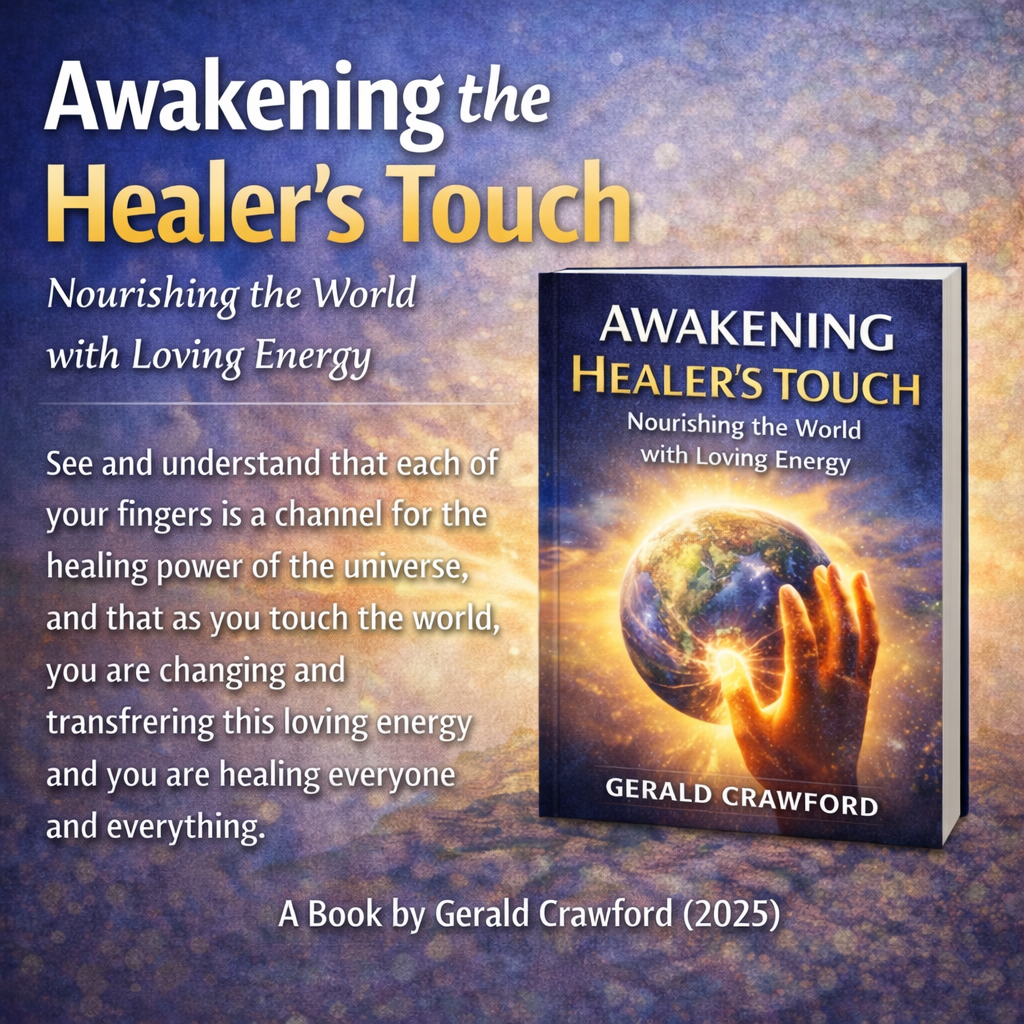
See and understand that each of your finger is a channel for the healing power of the universe, and that as you touch the world, you are changing and transferring this loving energy and you are healing everyone and everything.

Category: Awakening Healer’s Touch (Page 6 of 8)

Integrating the Chakras “Integrate Your Chakras” – focus on integrating the lessons and insights from the previous weeks with Hypnotherapy

Here’s a hypnotherapy script for Integrating the Chakras, focusing on integrating the lessons and insights from the previous weeks:

Introduction

(Soft, soothing music starts playing. Speak in a gentle, guiding tone.)

“Welcome to this final hypnotherapy session, where you’ll embark on a journey to integrate the lessons and insights from the previous weeks, bringing balance and harmony to your entire being. Allow yourself to settle in, getting comfortable and relaxed, as we begin to reflect on the journey of the chakras.

Take a deep breath in, feeling the air fill your lungs, and exhale slowly, releasing any tension or stress. As you breathe out, imagine any remaining imbalances or blockages in your energy leaving your body, making space for integration and wholeness.

Reflection and Review

“Take a moment to reflect on the journey of the chakras, thinking about the lessons and insights you’ve gained along the way. Remember the sense of grounding and stability of the Root Chakra, the creativity and vitality of the Sacral Chakra, the confidence and personal power of the Solar Plexus Chakra, the love and compassion of the Heart Chakra, the clear and authentic expression of the Throat Chakra, the intuition and insight of the Third Eye Chakra, and the spiritual connection and unity of the Crown Chakra.

As you reflect on each chakra, imagine the corresponding color and energy filling your body, reminding you of the lessons and insights you’ve gained. Allow yourself to feel a sense of gratitude and appreciation for the journey, and the growth and transformation that has taken place.

Integration Visualization

“Imagine a bright, white light beginning to glow at the base of your spine, representing the integration of all the chakras. As this light grows, it starts to fill your entire body, radiating a sense of balance, harmony, and wholeness.

Picture each of the chakras, in turn, and imagine the corresponding color and energy flowing into the white light, integrating and merging with it. As the colors blend and merge, imagine the lessons and insights from each chakra becoming a part of your entire being, guiding and informing your thoughts, feelings, and actions.

As you inhale, imagine fresh, integrating energy entering your body, filling you with a sense of unity and wholeness. As you exhale, imagine any remaining imbalances or blockages being released, dissolving into the calmness and serenity of the environment.

Embodiment and Empowerment

“Now, imagine that you’re fully embodying the integrated energy of the chakras, feeling confident, empowered, and whole. Picture yourself standing tall, with your feet firmly on the ground, and your heart open and expansive.

As you inhale, imagine the integrated energy of the chakras filling your body, guiding and empowering you to live a life that’s true to who you are. As you exhale, imagine any self-doubt or limitation being released, making space for your full potential and expression.

Repeat the following affirmations to yourself, allowing the emotions to sink deeply into your being:

* I am integrated and whole, and my energy is in balance and harmony.

* I trust in my ability to embody the lessons and insights of the chakras, and I allow them to guide me.

* I am empowered to live a life that’s true to who I am, and I trust in my own inner wisdom.

Conclusion

“Take a few moments to notice how you’re feeling. Notice any shifts in your body or mind. Allow the sense of integration and wholeness to become a part of your daily experience, guiding and informing your thoughts, feelings, and actions.

Remember, you can return to this state of integration and wholeness whenever you need it. Simply take a deep breath, focus on the white light glowing at the base of your spine, and repeat the phrase ‘I am integrated’ to yourself.

When you’re ready, slowly open your eyes, taking with you the sense of integration and wholeness that has developed during this session. Take a deep breath in, feeling refreshed and renewed, and exhale slowly, knowing that you can carry this sense of balance and harmony with you throughout your life.”

(Soft, soothing music continues to play for another minute or two, allowing the listener to slowly come back to a state of full awareness.)


Chakra Balance and Alignment “Balance and Align Your Chakras” – focus on balancing and aligning your energy with Hypnotherapy

Here’s a hypnotherapy script for Chakra Balance and Alignment, focusing on balancing and aligning your energy:

Introduction

(Soft, calming music starts playing. Speak in a gentle, soothing tone.)

“Welcome to this hypnotherapy session, where you’ll embark on a journey to balance and align your chakras, bringing harmony and balance to your energy. Allow yourself to settle in, getting comfortable and relaxed, as we begin to explore the world of chakras.

Take a deep breath in, feeling the air fill your lungs, and exhale slowly, releasing any tension or stress. As you breathe out, imagine any imbalances or blockages in your energy leaving your body, making space for balance and alignment.

Induction

“Close your eyes and take another deep breath in. As you inhale, imagine fresh, calming energy entering your body, filling you with a sense of relaxation and tranquility. As you exhale, imagine any thoughts or distractions leaving your mind, allowing you to focus on the present moment.

Imagine yourself standing in a peaceful, serene environment, surrounded by nature’s beauty. This could be a forest, a mountain meadow, or a peaceful ocean shore. Take a moment to notice the sensation of your body, feeling the weight of your feet on the ground, and the sensation of the air on your skin.

As you breathe in, repeat the phrase ‘I am balanced’ to yourself. As you exhale, repeat ‘I am aligned.’ Allow these words to become a mantra, guiding you towards balance and harmony in your energy.

Chakra Balancing Visualization

“Bring your attention to the base of your spine, where the Root Chakra is located. Imagine a bright, red light beginning to glow at this point. As this light grows, it starts to fill your entire body, radiating a sense of grounding and stability.

As you inhale, imagine fresh, energizing energy entering your body through the Root Chakra. As you exhale, imagine any feelings of instability or uncertainty being released, dissolving into the calmness of the environment.

Now, bring your attention to the Sacral Chakra, located in your lower abdomen. Imagine a bright, orange light beginning to glow at this point. As this light grows, it starts to fill your entire body, radiating a sense of creativity and vitality.

As you inhale, imagine fresh, inspiring energy entering your body through the Sacral Chakra. As you exhale, imagine any feelings of stagnation or dullness being released, dissolving into the flow of creativity.

Continue to bring your attention to each of the chakras, in turn, imagining a bright, glowing light at each point, and feeling the corresponding energy and qualities filling your body.

* Solar Plexus Chakra: bright, yellow light, radiating confidence and personal power

* Heart Chakra: bright, green light, radiating love and compassion

* Throat Chakra: bright, blue light, radiating clear and authentic expression

* Third Eye Chakra: bright, indigo light, radiating intuition and insight

* Crown Chakra: bright, violet light, radiating spiritual connection and unity

As you inhale, imagine fresh, energizing energy entering your body through each chakra. As you exhale, imagine any imbalances or blockages being released, dissolving into the calmness and serenity of the environment.

Chakra Alignment

“Now, imagine that each of your chakras is aligned and balanced, working together in harmony to bring balance and unity to your energy. Picture a bright, white light flowing through each chakra, connecting and aligning them in perfect harmony.

As you inhale, imagine this white light flowing through your body, filling you with a sense of balance and alignment. As you exhale, imagine any remaining imbalances or blockages being released, dissolving into the calmness and serenity of the environment.

Repeat the following affirmations to yourself, allowing the emotions to sink deeply into your being:

* I am balanced and aligned, and my energy is in harmony.

* I trust in the natural flow of my chakras, and I allow them to guide me.

* I am connected to my inner self, and I trust in my own inner wisdom.

Conclusion

“Take a few moments to notice how you’re feeling. Notice any shifts in your body or mind. Allow the sense of balance and alignment to integrate into your being, becoming a part of your daily experience.

Remember, you can return to this state of balance and alignment whenever you need it. Simply take a deep breath, focus on the white light flowing through your chakras, and repeat the phrase ‘I am balanced’ to yourself.

When you’re ready, slowly open your eyes, taking with you the sense of balance and alignment that has developed during this session. Take a deep breath in, feeling refreshed and renewed, and exhale slowly, knowing that you can carry this sense of balance with you throughout your day.”

(Soft, calming music continues to play for another minute or two, allowing the listener to slowly come back to a state of full awareness.)

Healing Touch Technique – Massage

The Healing Touch Technique, also known as Massage, is a holistic approach to health and wellness that involves manipulating the soft tissues of the body to promote relaxation, reduce pain and inflammation, and improve overall well-being.

Here’s a comprehensive overview:

What is Massage?

Massage is a manual therapy that involves applying gentle or deep pressure to the muscles, tendons, and other soft tissues of the body to stimulate the body’s natural healing processes. This technique is based on the idea that the body has a complex network of energy pathways, or “meridians,” that flow through the muscles, tendons, and other soft tissues.

How does it work?

Massage works by:

1. Relaxing the muscles: Reducing muscle tension and promoting relaxation

2. Improving circulation: Enhancing blood flow and reducing inflammation

3. Releasing endorphins: Stimulating the release of natural pain-relieving chemicals

4. Breaking up adhesions: Reducing scar tissue and promoting healing

5. Enhancing lymphatic drainage: Supporting the body’s natural detoxification processes

Techniques and Methods

There are several techniques and methods used in Massage, including:

1. Swedish Massage: A gentle, flowing style of massage that promotes relaxation and reduces muscle tension.

2. Deep Tissue Massage: A deeper, more intense style of massage that targets areas of scar tissue and adhesions.

3. Sports Massage: A style of massage that is specifically designed to support athletes and individuals with physically demanding lifestyles.

4. Trigger Point Therapy: A style of massage that targets specific areas of tension in the muscles.

5. Myofascial Release: A style of massage that targets the connective tissue surrounding the muscles.

Benefits

The benefits of Massage are numerous and include:

1. Pain relief: Reducing pain and inflammation

2. Stress relief: Reducing stress and anxiety

3. Improved sleep: Enhancing sleep quality and duration

4. Boosted immune system: Enhancing the body’s natural defenses

5. Improved mood: Reducing symptoms of depression and anxiety

Common Massage Techniques

Some common Massage techniques include:

1. Effleurage: Long, flowing strokes that promote relaxation and reduce muscle tension.

2. Petrissage: Kneading motions that target areas of scar tissue and adhesions.

3. Tapotement: Light, rhythmic tapping motions that stimulate the muscles and nervous system.

4. Friction: Deep, intense motions that target areas of scar tissue and adhesions.

5. Vibration: Gentle, vibrating motions that stimulate the muscles and nervous system.

Tips for Receiving a Massage

1. Find a qualified therapist: Look for a licensed and experienced Massage therapist to ensure a safe and effective treatment.

2. Communicate with your therapist: Let your therapist know about any areas of tension or discomfort.

3. Breathe deeply: Deep breathing can help to enhance the benefits of Massage.

4. Stay hydrated: Drink plenty of water before and after your Massage to help flush out toxins.

5. Make it a regular part of your self-care routine: Regular Massage can help to maintain balance and promote overall well-being.

Conclusion

The Healing Touch Technique, or Massage, is a powerful and ancient approach to health and wellness that can be used to promote relaxation, reduce pain and inflammation, and improve overall well-being. By manipulating the soft tissues of the body, Massage can help to restore balance, reduce stress and tension, and enhance overall health.

Healing Touch Technique – Reflexology

The Healing Touch Technique, also known as Reflexology, is a holistic approach to health and wellness that involves applying gentle pressure to specific points on the feet, hands, or ears to stimulate the body’s natural healing processes.

Here’s a comprehensive overview:

What is Reflexology?

Reflexology is a non-invasive, manual therapy that involves applying gentle pressure to specific points on the feet, hands, or ears to stimulate the body’s natural healing processes. This technique is based on the idea that the feet, hands, and ears have reflex points that correspond to specific organs, glands, and systems in the body.

How does it work?

Reflexology is based on the idea that the body has a complex network of energy pathways, or “zones,” that flow through the feet, hands, and ears. When these pathways become blocked or imbalanced, it can lead to physical, emotional, and mental health issues. By applying gentle pressure to specific points on the feet, hands, or ears, Reflexology can help to:

1. Restore balance: Balance the flow of energy in the body

2. Relieve tension: Relieve stress and tension in the body

3. Improve circulation: Improve blood flow and circulation

4. Boost the immune system: Enhance the body’s natural defenses

5. Enhance overall well-being: Promote relaxation, reduce pain, and improve overall health

Techniques and Methods

There are several techniques and methods used in Reflexology, including:

1. Foot Reflexology: Applying gentle pressure to specific points on the feet to stimulate the body’s natural healing processes.

2. Hand Reflexology: Applying gentle pressure to specific points on the hands to stimulate the body’s natural healing processes.

3. Ear Reflexology: Applying gentle pressure to specific points on the ears to stimulate the body’s natural healing processes.

4. Zone Therapy: Applying gentle pressure to specific zones on the feet, hands, or ears to stimulate the body’s natural healing processes.

Benefits

The benefits of Reflexology are numerous and include:

1. Pain relief: Reducing pain and inflammation

2. Stress relief: Reducing stress and anxiety

3. Improved sleep: Enhancing sleep quality and duration

4. Boosted immune system: Enhancing the body’s natural defenses

5. Improved mood: Reducing symptoms of depression and anxiety

Common Reflexology Points

Some common Reflexology points include:

1. Solar Plexus: Located on the ball of the foot, this point is used to relieve stress and anxiety.

2. Liver: Located on the bottom of the foot, this point is used to relieve liver and digestive issues.

3. Heart: Located on the center of the foot, this point is used to relieve heart and circulatory issues.

4. Lungs: Located on the balls of the feet, this point is used to relieve respiratory issues.

5. Head and Brain: Located on the tips of the toes, this point is used to relieve headaches and mental fog.

Tips for Practicing Reflexology

1. Find a qualified practitioner: Look for a licensed and experienced Reflexologist to ensure a safe and effective treatment.

2. Use the right techniques: Learn the proper techniques and methods for applying gentle pressure to specific points on the feet, hands, or ears.

3. Practice regularly: Regular Reflexology sessions can help to maintain balance and promote overall well-being.

4. Combine with other therapies: Reflexology can be used in combination with other holistic therapies, such as massage, acupuncture, and meditation, to enhance its benefits.

Conclusion

The Healing Touch Technique, or Reflexology, is a powerful and ancient approach to health and wellness that can be used to promote balance, relaxation, and overall well-being. By applying gentle pressure to specific points on the feet, hands, or ears, Reflexology can help to restore balance to the body, relieve tension and stress, and enhance overall health.

Healing Touch Technique – Acupressure

The Healing Touch Technique, also known as Acupressure, is an ancient holistic approach to health and wellness that involves applying gentle pressure to specific points on the body.

Here’s a comprehensive overview:

What is Healing Touch Technique/Acupressure?

Healing Touch Technique, also known as Acupressure, is a non-invasive, manual therapy that involves applying gentle pressure to specific points on the body to stimulate the body’s natural healing processes. This technique is based on the principles of Traditional Chinese Medicine (TCM) and is designed to balance the flow of energy, or “qi,” in the body.

How does it work?

Acupressure is based on the idea that the body has a complex network of energy pathways, or “meridians,” that flow through the body. When these pathways become blocked or imbalanced, it can lead to physical, emotional, and mental health issues. By applying gentle pressure to specific points along these meridians, acupressure can help to:

1. Restore balance to the flow of energy

2. Relieve tension and stress

3. Improve circulation and reduce inflammation

4. Boost the immune system

5. Enhance overall well-being

Techniques and Methods

There are several techniques and methods used in Acupressure, including:

1. Point location: Identifying specific points on the body that correspond to specific meridians and organs.

2. Point stimulation: Applying gentle pressure to these points using fingers, thumbs, or other tools.

3. Breathing techniques: Using deep breathing exercises to enhance the flow of energy and promote relaxation.

4. Stretching and movement: Using gentle stretches and movements to help release tension and improve flexibility.

Benefits

The benefits of Acupressure are numerous and include:

1. Pain relief: Reducing pain and inflammation

2. Stress relief: Reducing stress and anxiety

3. Improved sleep: Enhancing sleep quality and duration

4. Boosted immune system: Enhancing the body’s natural defenses

5. Improved mood: Reducing symptoms of depression and anxiety

Common Acupressure Points

Some common Acupressure points include:

1. LI 4: Located on the web between the thumb and index finger, this point is used to relieve pain and tension.

2. LV 3: Located on the top of the foot, this point is used to relieve stress and anxiety.

3. Yintang: Located between the eyebrows, this point is used to relieve stress and promote relaxation.

4. GB 21: Located at the base of the neck, this point is used to relieve tension and improve circulation.

Conclusion

The Healing Touch Technique, or Acupressure, is a powerful and ancient approach to health and wellness that can be used to promote balance, relaxation, and overall well-being. By applying gentle pressure to specific points on the body, Acupressure can help to restore balance to the flow of energy, relieve tension and stress, and enhance overall health.

« Older posts Newer posts »
Back a Buddy Show your Support