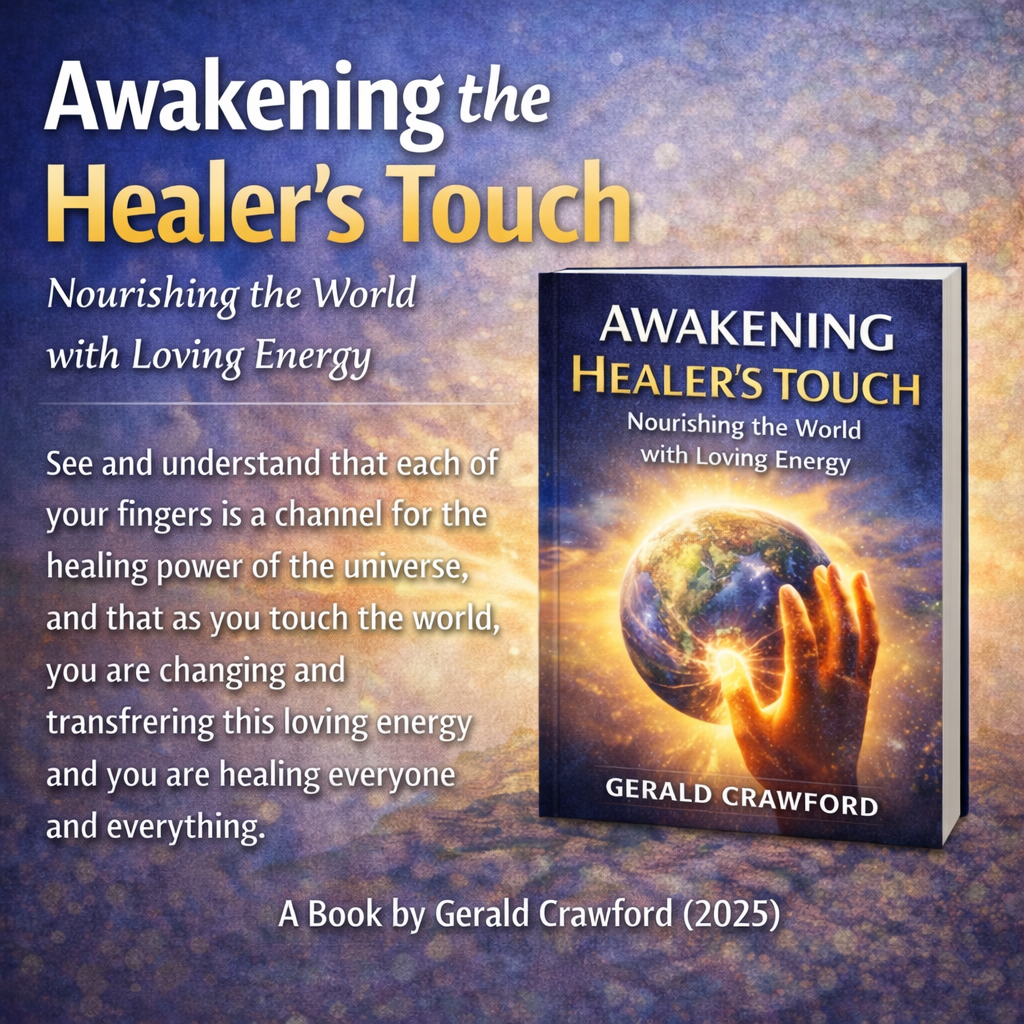
See and understand that each of your finger is a channel for the healing power of the universe, and that as you touch the world, you are changing and transferring this loving energy and you are healing everyone and everything.

Category: Awakening Healer’s Touch (Page 4 of 8)

Nourishing the World with Loving Energy

Let’s dive deeper into the concept of nourishing the world with loving energy.

The Power of Loving Energy

Loving energy is a transformative force that has the power to:

1. Heal emotional wounds: Loving energy can help to heal emotional wounds and bring peace and comfort to those who are suffering.

2. Transform negative energy: Loving energy can transform negative energy and bring positivity and light to dark and challenging situations.

3. Unite people: Loving energy can unite people and bring them together in a shared sense of purpose and compassion.

4. Nourish the planet: Loving energy can nourish the planet and help to restore balance and harmony to the natural world.

Ways to Nourish the World with Loving Energy

There are many ways to nourish the world with loving energy, including:

1. Meditation: Meditation is a powerful way to cultivate and share loving energy. By focusing on loving thoughts and emotions, we can create a field of loving energy that can be shared with others.

2. Prayer: Prayer is another way to nourish the world with loving energy. By praying for the well-being and happiness of all beings, we can create a wave of loving energy that can touch the hearts and minds of all.

3. Acts of kindness: Acts of kindness are a powerful way to share loving energy with others. By performing acts of kindness and compassion, we can create a ripple effect of loving energy that can spread far and wide.

4. Gratitude: Gratitude is a powerful way to cultivate loving energy. By focusing on the things we are grateful for, we can create a sense of appreciation and love that can be shared with others.

Benefits of Nourishing the World with Loving Energy

Nourishing the world with loving energy can have many benefits, including:

1. Increased sense of peace and harmony: Nourishing the world with loving energy can create a sense of peace and harmony that can be felt by all.

2. Improved relationships: Nourishing the world with loving energy can improve relationships and bring people together in a shared sense of love and compassion.

3. Healing of emotional wounds: Nourishing the world with loving energy can help to heal emotional wounds and bring comfort and peace to those who are suffering.

4. Transformation of negative energy: Nourishing the world with loving energy can transform negative energy and bring positivity and light to dark and challenging situations.

Tips for Nourishing the World with Loving Energy

Here are some tips for nourishing the world with loving energy:

1. Start with yourself: Start by cultivating loving energy within yourself. Take time to meditate, pray, and focus on loving thoughts and emotions.

2. Share your love: Share your love and compassion with others. Perform acts of kindness, offer words of encouragement, and listen with empathy and understanding.

3. Be consistent: Be consistent in your efforts to nourish the world with loving energy. Make it a regular part of your daily routine.

4. Join with others: Join with others who are also committed to nourishing the world with loving energy. Together, you can create a powerful wave of love and compassion that can touch the hearts and minds of all.

Creating a Wave of Loving Energy

To create a wave of loving energy, try the following exercise:

1. Close your eyes: Close your eyes and take a deep breath.

2. Focus on love: Focus on the feeling of love and compassion in your heart.

3. Imagine a wave: Imagine a wave of loving energy emanating from your heart and spreading out into the world.

4. Visualize the impact: Visualize the impact of this wave of loving energy on the world. See it bringing peace, harmony, and joy to all beings.

By nourishing the world with loving energy, we can create a more peaceful, harmonious, and compassionate world. Remember, loving energy is a powerful force that can transform and uplift all beings, and it is our responsibility to share it with the world.

This article is written to promote and support:

Awakening the Healer’s Touch: Nourishing the World with Loving Energy – A Book by Gerald Crawford (2025)

See and understand that each of your finger is a channel for the healing power of the universe, and that as you touch the world, you are changing and transferring this loving energy and you are healing everyone and everything.

Please have a look at:

Awakening the Healer’s Touch

The concept of “Awakening the Healer’s Touch” refers to the process of cultivating a deeper sense of compassion, empathy, and connection with others, particularly in the context of healing and wellness. This can be achieved through a combination of self-reflection, mindfulness, and intentional practice.

Here are some ways to awaken the healer’s touch within yourself:

Cultivating Compassion and Empathy

1. Practice active listening: Focus on fully understanding and connecting with the experiences and emotions of others.

2. Develop emotional intelligence: Recognize and understand your own emotions, as well as those of others, to create a deeper sense of empathy and compassion.

3. Engage in self-compassion practices: Cultivate kindness, understanding, and patience towards yourself, which will naturally extend to your relationships with others.

Mindfulness and Presence

1. Practice mindfulness meditation: Develop greater awareness and presence in the moment, allowing you to be more fully engaged with others.

2. Focus on the present moment: Let go of distractions and worries about the past or future, and instead, focus on the present moment and the person in front of you.

3. Use your senses: Pay attention to the sights, sounds, smells, tastes, and textures around you, which can help you stay grounded and present.

Intentional Touch and Connection

1. Use intentional touch: Practice using touch in a way that is mindful, gentle, and respectful, such as in massage, energy healing, or simply holding someone’s hand.

2. Make eye contact: Engage in direct and compassionate eye contact, which can help create a sense of connection and understanding.

3. Use your voice: Speak in a calm, gentle, and compassionate tone, which can help create a sense of safety and trust.

Healing Presence and Energy

1. Develop a sense of calm and centeredness: Cultivate a sense of inner peace and calm, which can help create a sense of safety and tranquility for others.

2. Practice energy healing: Explore modalities such as Reiki, qigong, or other forms of energy healing, which can help you develop a greater sense of awareness and connection to the energy around you.

3. Trust your intuition: Listen to your inner wisdom and trust your instincts, which can help you navigate complex situations and make decisions that support the well-being of others.

Awakening the Healer’s Touch in Daily Life

1. Incorporate mindfulness and compassion into daily interactions: Bring a sense of awareness and kindness into your daily interactions, whether with others or in your solo activities.

2. Practice self-care and self-compassion: Take care of your own physical, emotional, and spiritual needs, which will help you cultivate a deeper sense of compassion and empathy for others.

3. Seek out opportunities for growth and learning: Continuously seek out new experiences, knowledge, and perspectives, which can help you deepen your understanding of the healing process and cultivate a greater sense of connection with others.

Remember, awakening the healer’s touch is a lifelong journey that requires patience, dedication, and a willingness to learn and grow. By cultivating compassion, empathy, and connection with others, you can develop a deeper sense of presence and awareness, and become a more effective and compassionate healer.

What Self-care practices do I need to prioritize as a healer to nourish my mind, body, and spirit?

As a healer, it’s essential to prioritize self-care practices that nourish your mind, body, and spirit. Here are some practices to consider:

Mind:

1. Meditation: Regular meditation helps calm the mind, reduce stress, and increase focus. Even 10-15 minutes a day can be beneficial.

2. Journaling: Reflecting on your thoughts, feelings, and experiences through journaling can help you process your emotions and gain insight into your mind.

3. Reading: Reading books, articles, or online resources on topics that interest you can help expand your knowledge and stimulate your mind.

4. Learning: Engage in ongoing education and training to stay updated on the latest healing practices and techniques.

5. Grounding techniques: Practice grounding techniques, such as deep breathing, progressive muscle relaxation, or visualization, to help manage stress and anxiety.

Body:

1. Exercise: Regular physical activity, such as yoga, walking, or dancing, can help reduce stress, improve mood, and increase energy.

2. Healthy eating: Focus on consuming whole, nutrient-dense foods that promote energy and vitality.

3. Sleep: Prioritize getting 7-8 hours of sleep each night to help your body and mind recharge.

4. Self-care rituals: Engage in self-care rituals, such as taking a warm bath, getting a massage, or practicing yoga, to help relax and rejuvenate your body.

5. Bodywork: Consider receiving regular bodywork, such as massage or acupuncture, to help release tension and promote relaxation.

Spirit:

1. Connection with nature: Spend time in nature, whether walking, hiking, or simply sitting in a park or garden, to help you feel grounded and connected to the natural world.

2. Meditation and prayer: Engage in meditation and prayer practices that help you connect with a higher power or your own inner wisdom.

3. Energy work: Consider practicing energy work, such as Reiki or qigong, to help balance and align your energy.

4. Creative expression: Engage in creative activities, such as painting, drawing, or writing, to help express your emotions and connect with your inner self.

5. Community: Surround yourself with a supportive community of like-minded individuals who share your values and passions.

Additional Tips:

1. Schedule self-care: Treat self-care as a non-negotiable part of your daily or weekly routine.

2. Listen to your body: Pay attention to your physical and emotional needs, and take rest when needed.

3. Set boundaries: Establish clear boundaries with clients, colleagues, and loved ones to protect your time and energy.

4. Practice self-compassion: Treat yourself with kindness, understanding, and patience, just as you would a close friend.

5. Seek support: Surround yourself with a supportive network of peers, mentors, or friends who understand the challenges and rewards of being a healer.

By prioritizing these self-care practices, you’ll be better equipped to nourish your mind, body, and spirit, and maintain your energy and well-being as a healer.

How do I take care of myself as a healer physically, emotionally, and spiritually to maintain my own energy and well-being?

As a healer, it’s essential to prioritize your own physical, emotional, and spiritual well-being to maintain your energy and avoid burnout.

Here are some tips to help you take care of yourself:

Physical Self-Care:

1. Get enough sleep: Aim for 7-8 hours of sleep each night to help your body and mind recharge.

2. Exercise regularly: Engage in physical activities that bring you joy, such as yoga, walking, or dancing, to help manage stress and boost energy.

3. Eat a nourishing diet: Focus on whole, organic foods that promote energy and vitality, such as fruits, vegetables, whole grains, and lean proteins.

4. Stay hydrated: Drink plenty of water throughout the day to help flush out toxins and maintain your energy levels.

5. Practice good hygiene: Take care of your physical body by showering, dressing in comfortable clothes, and engaging in activities that promote relaxation, such as massage or meditation.

Emotional Self-Care:

1. Set boundaries: Establish clear limits with clients, colleagues, and loved ones to protect your time and energy.

2. Prioritize self-reflection: Schedule regular time for self-reflection, journaling, or talking to a therapist to process your emotions and gain insight into your thoughts and behaviors.

3. Engage in activities that bring joy: Make time for hobbies, creative pursuits, or spending time with loved ones that bring you happiness and fulfillment.

4. Practice self-compassion: Treat yourself with kindness, understanding, and patience, just as you would a close friend.

5. Seek support: Surround yourself with a supportive community of peers, mentors, or friends who understand the challenges and rewards of being a healer.

Spiritual Self-Care:

1. Connect with nature: Spend time outdoors, whether walking, hiking, or simply sitting in a park or garden, to help you feel grounded and connected to the natural world.

2. Practice mindfulness: Regularly engage in mindfulness practices, such as meditation or deep breathing, to help you stay present and focused.

3. Develop a spiritual practice: Explore various spiritual practices, such as prayer, chanting, or yoga, to help you connect with a higher power or your own inner wisdom.

4. Set intentions: Regularly set intentions for your personal and professional life, such as setting goals or affirmations, to help you stay focused and motivated.

5. Seek spiritual guidance: Seek out spiritual teachers, mentors, or guides who can offer support, wisdom, and guidance on your healing journey.

Additional Tips:

1. Schedule self-care: Treat self-care as a non-negotiable part of your daily or weekly routine, just like any other important appointment.

2. Be kind to yourself: Remember that taking care of yourself is not selfish, but essential to maintaining your energy and well-being as a healer.

3. Seek out resources: Utilize books, online courses, or workshops that can help you develop your self-care skills and stay up-to-date with the latest healing practices.

4. Stay organized: Use tools like calendars, to-do lists, or planning apps to help you stay organized and manage your time effectively.

5. Take breaks: Allow yourself to take breaks and rest when needed, knowing that taking care of yourself is essential to maintaining your energy and well-being.

By prioritizing your physical, emotional, and spiritual self-care, you’ll be better equipped to maintain your energy and well-being as a healer, and provide the best possible care for your clients.

What are my strengths and weaknesses as a healer, and how can I work with them?

As a healer, you have a unique combination of strengths and weaknesses that can impact your effectiveness and the types of healing work you’re best suited for. While I don’t know you personally, I can offer some general insights and guidance on how to identify and work with your strengths and weaknesses.

Common strengths of healers:

1. Compassion and empathy: Healers often have a strong ability to connect with others, understand their emotions, and provide comfort and support.

2. Intuition and instinct: Healers may have a heightened sense of intuition, which guides them in their work and helps them make decisions.

3. Holistic perspective: Healers often consider the whole person – body, mind, and spirit – when working with clients, which allows them to address the root causes of issues.

4. Strong communication skills: Healers need to be able to communicate effectively with clients, which involves active listening, clear explanation of concepts, and empathy.

Common weaknesses of healers:

1. Burnout and exhaustion: Healers may be prone to taking on too much of their clients’ energy, leading to physical, emotional, and mental exhaustion.

2. Over-identification with clients: Healers may become too enmeshed with their clients’ struggles, which can blur professional boundaries and lead to emotional overload.

3. Lack of self-care: Healers often prioritize their clients’ needs over their own, neglecting their own self-care and well-being.

4. Self-doubt and uncertainty: Healers may struggle with self-doubt, uncertainty, or imposter syndrome, particularly if they’re new to their practice or dealing with complex cases.

Working with your strengths:

1. Develop your intuition: Cultivate your intuition by practicing meditation, journaling, or engaging in other activities that help you connect with your inner self.

2. Refine your communication skills: Continuously work on improving your communication skills, including active listening, clear explanation of concepts, and empathy.

3. Expand your holistic perspective: Study and learn about different healing modalities, and consider integrating them into your practice to provide a more comprehensive approach.

4. Nurture your compassion and empathy: Engage in activities that help you maintain a sense of compassion and empathy, such as volunteering, practicing mindfulness, or spending time in nature.

Working with your weaknesses:

1. Prioritize self-care: Make self-care a non-negotiable part of your daily routine, including activities that nourish your body, mind, and spirit.

2. Set clear boundaries: Establish and maintain healthy boundaries with clients, including clear communication about your role, limits, and expectations.

3. Seek support and mentorship: Connect with other healers, mentors, or peers who can offer guidance, support, and a fresh perspective on your practice.

4. Develop self-compassion and self-awareness: Practice self-reflection, self-compassion, and self-awareness to recognize when you’re struggling with self-doubt, burnout, or over-identification with clients.

Reflecting on your strengths and weaknesses:

Take some time to reflect on your own strengths and weaknesses as a healer. Ask yourself:

* What are my greatest strengths as a healer, and how can I continue to develop them?

* What are my weaknesses, and how can I address them to become a more effective and sustainable healer?

* What self-care practices can I incorporate into my daily routine to maintain my well-being?

* What support systems can I put in place to help me navigate challenging situations or cases?

By acknowledging and working with your strengths and weaknesses, you can become a more effective, compassionate, and sustainable healer, and provide the best possible care for your clients.

« Older posts Newer posts »
Back a Buddy Show your Support